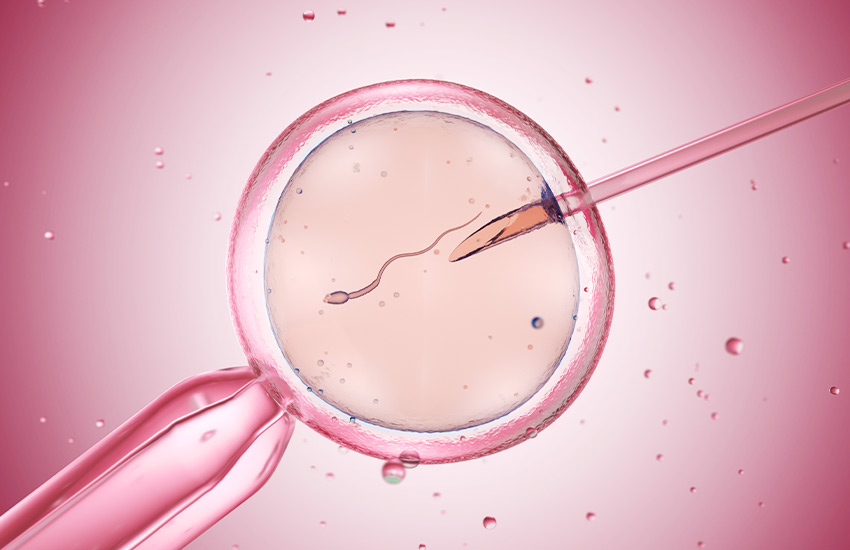



Infertility is a significant challenge that affects millions of individuals and couples globally. Understanding the various causes of infertility is crucial for those trying to conceive. This blog explores the multifaceted factors contributing to infertility in both men and women. By shedding light on these issues, we aim to provide clarity and support for those on their journey to parenthood.
Overview of Infertility
Infertility is defined as the inability to conceive after one year of regular, unprotected intercourse. It is a common issue, affecting approximately 10-15% of couples worldwide. The causes of infertility are diverse, impacting both men and women equally.
Infertility can be categorised into four main groups. About 30% of cases are attributed to male-related issues, such as problems with sperm production or delivery. Another 30% are due to female-related issues, including ovulation disorders and blockages in the Fallopian tubes. Mixed causes, where both partners have fertility problems, account for 20% of cases. The remaining 20% are unexplained, where no specific cause can be identified despite thorough testing. Understanding these categories is essential for anyone facing difficulties in conceiving, as it helps in identifying the right path towards treatment and support.
Also Read: Understanding Fertility evaluation
Female Infertility
Hormonal imbalances can significantly impact ovulation and egg quality. Conditions such as polycystic ovary syndrome (PCOS) can disrupt regular ovulation, leading to difficulties in conceiving. Lifestyle factors, including stress, obesity, and thyroid issues, further influence ovarian function. Addressing these factors through medical advice and lifestyle changes can help improve fertility.
Read more: Connection between PCOS and Fertility
The Fallopian tubes are essential for fertility, facilitating the meeting of sperm and egg. Tubal issues, such as tubal blockages from infections or conditions like endometriosis, can hinder this process. Diagnostic methods like hysterosalpingography (HSG) are used to assess tubal health and identify any blockages or abnormalities that may impact fertility.
Cervical and uterine conditions also contribute to infertility. Cervical issues, such as abnormal mucus or growths, can prevent sperm from reaching the egg, while uterine abnormalities like fibroids and polyps can interfere with implantation. Endometriosis, where tissue similar to the uterine lining grows outside the uterus, can also affect fertility. Diagnostic tests like postcoital tests, cultures, and hysteroscopy are utilised to identify these issues. Addressing these conditions is crucial for improving the chances of a successful pregnancy.
Male Infertility
Hormonal imbalances can significantly impact sperm production, leading to male infertility. Conditions affecting the hypothalamus or pituitary gland can disrupt hormone regulation, resulting in reduced sperm count or poor sperm quality. Addressing these hormonal issues through medical intervention can help restore normal sperm production.
Genetic conditions, such as Klinefelter syndrome, and acquired factors like infections or injuries, can lead to testicular infertility. These issues can cause abnormalities in the testes, affecting their ability to produce healthy sperm. Additionally, problems in the seminal ducts, which transport sperm, can impede sperm delivery due to blockages or trauma. Surgical or medical interventions are often required to address these issues.
Sperm disorders are a primary cause of male infertility, affecting sperm count, motility, and morphology. Common issues include low sperm count, poor sperm motility, and abnormal sperm shapes. A semen analysis is essential for diagnosing these disorders and determining appropriate treatment. By understanding and addressing these factors, men can significantly improve their chances of conception.
Mixed Infertility
Mixed infertility occurs when both partners face fertility issues, making conception more challenging. It is crucial for both individuals to undergo comprehensive testing to identify and address their specific problems. Treatment plans often need to be coordinated to tackle both sets of issues simultaneously, increasing the chances of successful conception.
One aspect of mixed infertility is immunological incompatibility, where the woman’s immune system mistakenly identifies the man’s sperm as a foreign threat and attacks it. This can prevent the sperm from fertilising the egg, even if both partners are otherwise healthy. Medical interventions, such as immunotherapy, can help manage this condition and improve the likelihood of conception.
Understanding and addressing mixed infertility requires a collaborative approach between both partners and healthcare professionals. By identifying and treating each partner’s unique fertility issues, couples can enhance their chances of achieving a successful pregnancy.
Unexplained Infertility
Unexplained infertility occurs when tests fail to identify a clear cause for a couple’s inability to conceive, affecting about 20% of cases. This diagnosis can be frustrating and emotionally challenging, leaving couples feeling confused and helpless. The lack of a definitive cause complicates treatment decisions, adding to stress and anxiety. Support from mental health professionals, support groups, and open communication between partners is essential. Despite the uncertainty, many couples achieve successful pregnancies with persistence and appropriate fertility treatments, offering hope on this challenging journey.
Navigating Infertility Treatment
Infertility treatments vary based on specific diagnoses, including medications to stimulate ovulation, surgical interventions, and assisted reproductive technologies like IVF and IUI. Personalised treatment plans are essential, as fertility specialists tailor strategies to each couple’s unique challenges. Expert guidance ensures accurate treatment administration and prompt management of any complications, optimising the chances of conception and providing essential support on the journey to parenthood.
Conclusion
Dealing with infertility can be an emotionally challenging journey, but it’s important to remember that you are not alone. Many couples face similar struggles and with the right support and resources, the dream of parenthood can become a reality. Stay hopeful and resilient, as advancements in fertility treatments continue to improve outcomes for many.
At Fyne IVF, we are committed to nurturing hope and creating families through expert fertility solutions. Our comprehensive services, including fertility evaluations, specialised treatments, and personalised counselling, are designed to support you every step of the way. With a success rate of 75-82%, cutting-edge technologies, and a compassionate support community, we are dedicated to making parenthood possible for you. Our team is here to provide the guidance and care you need on your journey to becoming parents.