

Expert Care for
Every Woman, Every Stage.

Gynac & Fertility Consultation for All Female Health Concerns.

Irregular Periods
Hormonal Imbalance
PCOS / PCOD
Preconception Care
Personalized Care
Compassionate Experts
Trusted Support
FYNE IVF FYNE IVF
CONSULTATION FREE EVERY WEDNESDAY

Author: Fyne IVF

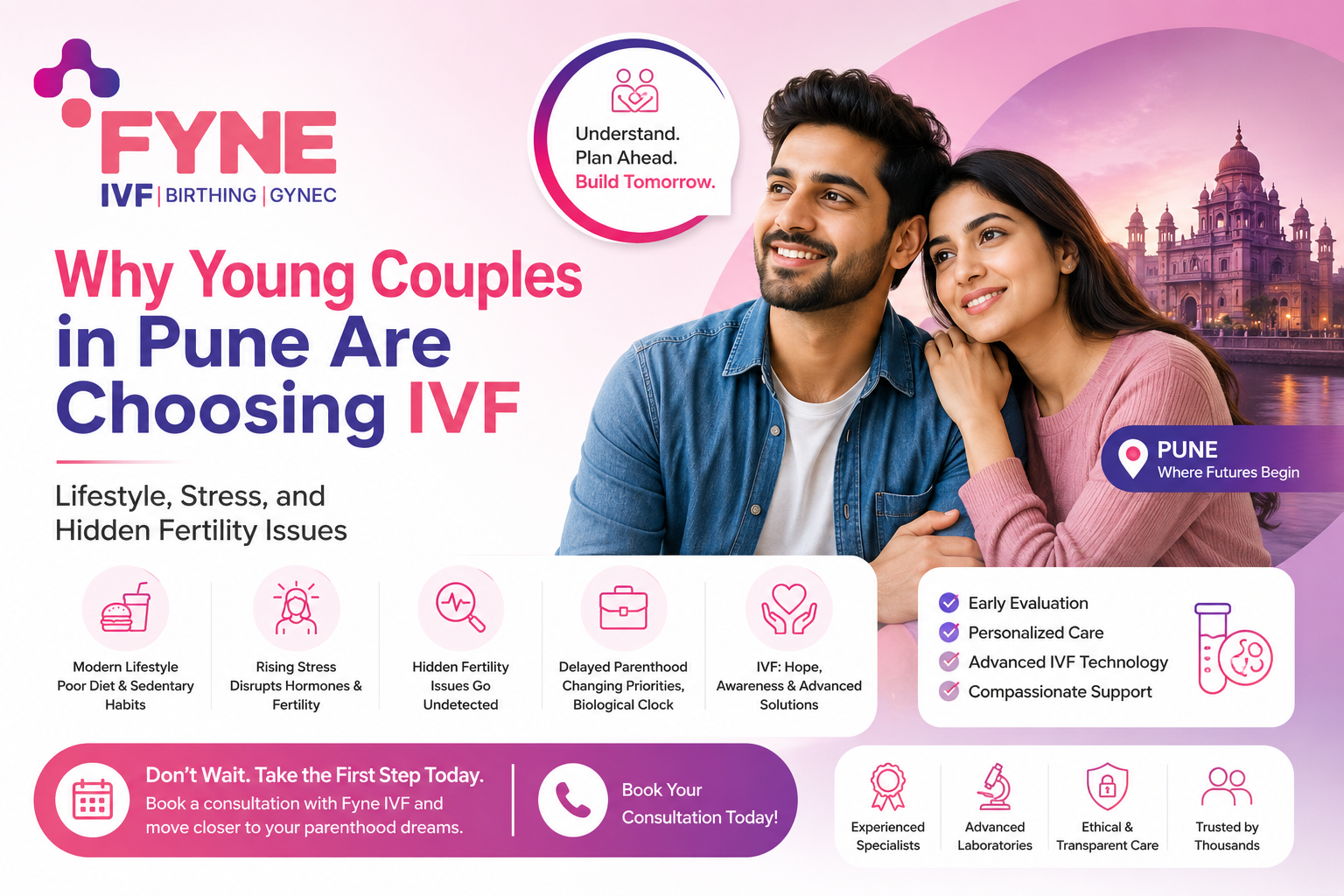
  • Why Young Couples in Pune Are Choosing IVF: Lifestyle, Stress, and Hidden Fertility Issues

    Why Young Couples in Pune Are Choosing IVF: Lifestyle, Stress, and Hidden Fertility Issues

    In Vitro Fertilization or IVF is rapidly becoming a non-negotiable part of urban couples’ lives. Up until recently, IVF used to be considered the last resort for couples struggling to naturally conceive for years; it has now morphed into a procedure that couples look into and are willing to try from their late 20s onwards. 

    What is driving this shift?

    The answer is: individuals in metro cities like Pune are living a modern lifestyle, with rising stress levels, delayed parenthood, and often undiagnosed or “hidden” fertility issues. These factors are together changing the way couples approach fertility treatment.

    Lifestyle Changes: The Silent Fertility Disruptor

    The drawback of living in bustling metro cities like Pune is that the lifestyle it offers to individuals takes a toll on their health from a young age. Urban lifestyles have evolved rapidly, but our biology hasn’t been able to keep up.

    Experts point to several lifestyle factors impacting fertility:

    • Poor diet and nutritional deficiencies
    • Sedentary lifestyles and lack of exercise
    • Smoking and alcohol consumption
    • Environmental toxins

    These factors can directly affect ovulation, sperm quality, and hormonal balance, making natural conception more difficult.

    Stress: More Than Just a Mental Health Issue

    Stress doesn’t just affect your mind, it directly impacts your body’s biological functions.

    Chronic stress can:

    • Disrupt menstrual cycles
    • Reduce sperm quality
    • Interfere with ovulation and implantation

    This happens because elevated cortisol (stress hormone) levels can suppress reproductive hormones, directly impacting fertility.

    With demanding careers, financial pressure, and constant digital connectivity, stress has become a constant companion for many young couples in Pune, often without them realizing its impact on their fertility.

    Hidden Fertility Issues

    Hidden fertility issues, often called unexplained or silent infertility, are becoming increasingly common among young couples in India. What makes their situation particularly challenging is that standard medical test results may appear normal, yet conception doesn’t happen.

    Hidden fertility issues refer to situations where hormone levels appear normal, ovulation is regular, sperm count and motility are within range, no structural problems are detected, and yet, pregnancy doesn’t occur even after extended periods of trying.

    So why can’t these issues be detected?

    Basic fertility tests often measure, quantity (egg reserve, sperm count), but they don’t always assess the quality: DNA fragmentation in sperm or reduced egg quality can go unnoticed. There are also certain conditions that are easy to miss early on such as:

    • Mild Polycystic Ovary Syndrome
    • Early-stage Endometriosis
    • Thyroid disorders

    These may not be obvious but certainly have an impact on fertility.

    Delayed Parenthood and Changing Priorities

    Due to financial and professional ambitions, more couples today are choosing to:

    • Build careers first
    • Achieve financial stability
    • Wait for the “right time”

    While this awareness is empowering, it comes with biological compromises.

    With fertility naturally declining with age, and delayed parenthood, the likelihood of needing medical intervention later increases.

    Increased Awareness and Acceptance of IVF

    Another important factor is awareness. Today:

    • Couples are more informed about fertility
    • Social stigma around IVF is reducing significantly
    • Medical technology is more accessible

    For a long time the subject of IVF treatments had been treated as taboo in India. In recent years, though, urban couples have embraced and accepted IVF as a reality, if not necessity of Indian urban culture. What was once a taboo topic is now openly discussed, even before couples start trying for a baby.

    This shift means IVF is no longer only a last resort, it’s becoming an early option for many couples.

    Choosing the Right Fertility Clinic Matters

    As the need for fertility care grows, selecting the right clinic becomes a crucial step in your journey. A good fertility centre should focus not just on treatment, but also on:

    While evaluating a clinic, consider:

    • The experience and qualifications of the specialists
    • Transparency in costs and treatment plans
    • The clinic’s success rates and patient reviews
    • Availability of advanced technology and lab facilities
    • How comfortable and supported you feel during consultations

    Fertility is rarely a one-size-fits-all issue. The right clinic will take the time to understand the bigger picture, your lifestyle, health, and goals, before recommending a path forward.

    Start Your Fertility Journey With Expert Guidance

    The rise of IVF among young couples in Pune isn’t a coincidence; it’s a reflection of how our lifestyles and priorities have changed. While IVF offers hope and solutions, it also highlights an important truth: fertility is not just about age, it’s about health, habits, and awareness.

    If you have been trying to conceive or simply want clarity about your reproductive health, getting evaluated early can make a difference.
    Book a consultation with FYNE IVF and get guidance based on your unique health and goals.

    FAQs

    1. When should a couple start considering IVF?

    Doctors suggest IVF if a couple has been trying to conceive naturally for 6 months- 1 year and has not seen results, or if there are known fertility issues.

    1. How do I know if I need IVF or some other treatment?

    You can find the right fertility treatment you require, which may or may not be IVF, by getting tested at a certified fertility clinic

    1. What are “hidden” fertility issues?

    Hidden or unexplained infertility refers to cases where test results appear normal, no obvious cause is found and yet pregnancy doesn’t occur.

    1. Is IVF safe for young couples?

    Yes, IVF is generally considered safe when performed at a qualified fertility clinic. Modern techniques have made the procedure more effective and less invasive than before.

    1.  Is it better to consider IVF early rather than waiting?

    In many cases, yes. Early intervention can improve outcomes, especially when fertility is already declining due to lifestyle or medical factors.

  • Egg Freezing in Pune: Is It Worth It for Women in Their Late 20s and 30s?

    Egg Freezing in Pune: Is It Worth It for Women in Their Late 20s and 30s?

    For many women today, the timeline of life no longer follows a fixed path. Careers take off, personal goals evolve, and the answer to the question “when to have children” becomes less straightforward than ever before. In recent years, egg freezing has moved from being a niche medical procedure to a part of mainstream conversation, especially among urban, career-focused women. 

    Cities like Pune are seeing a steady rise in women choosing to preserve their fertility, not out of urgency but by choice.

    But is egg freezing really worth it, particularly for women in their late 20s and 30s? 

    What Is Egg Freezing and Why Are Women Choosing It?

    Egg freezing (or oocyte cryopreservation) is a process where a woman’s eggs are retrieved, frozen, and stored for future use. It essentially allows women to put their biological clock on hold.

    Today, many women are choosing this option due to:

    • Career priorities
    • Late marriage 
    • Medical conditions like endometriosis
    • Wanting more control over family planning

    In India, this shift reflects changing lifestyles and increased awareness around reproductive health. 

    Why Pune is Becoming the Hub for Fertility Freedom

    Pune has become a preferred destination for fertility treatments, including egg freezing. With advanced IVF centres and relatively lower costs than in other metro cities, it is both more accessible and more affordable. 

    Pune is uniquely positioned for this shift. As a city that balances high-octane corporate energy with world-class medical infrastructure, it offers a supportive environment for women reclaiming their timelines.

    • Top-Tier Tech: Local clinics now use Vitrification, a “flash-freezing” method that ensures a significantly higher survival rate for eggs compared to older methods.
    • Discreet & Professional: The city’s medical community understands the needs of working professionals, offering flexible scheduling that fits between meetings and personal commitments.
    • A Growing Community: You aren’t alone. More women in Pune are choosing this path, turning what used to be a “taboo” topic into a shared strategy for empowerment.

    Late 20s vs. Early 30s: When is the “Sweet Spot”?

    The “worth” of egg freezing often comes down to a simple biological formula: Quality + Quantity.

    AgeThe RealityThe Strategy
    Late 20sYour eggs are at their healthiest and most resilient.The Gold Standard. Freezing now usually requires only one cycle and offers the highest success rates for the future.
    Early 30sFertility begins a steady decline, but “egg reserve” is usually still good.The Practical Window. This is the most common time to freeze, acting as a vital insurance policy before the “35-year-old cliff.”
    35 and BeyondEgg quality drops more sharply, increasing the risk of chromosomal issues.The Critical Catch-Up. It is still very much possible, though you may need multiple cycles to secure a “safe” number of eggs.

    The Pros: Why Egg Freezing Might Be Worth It

    • Reproductive Freedom: By freezing their eggs, women gain the freedom and flexibility to plan a family in harmony with their personal priorities
    • Better Chances Later: Egg freezing before 35 can provide women with better chances at planning pregnancies later in life, in cases such as late marriage 
    • Career Growth: For many women, this option removes the pressure of choosing between career growth and starting a family
    • Backup Plan: It serves as a safety net for women unsure about when/whether they want to have children

    The Cons: Things You Need to Know

    • The Cost: Beyond the procedure, there are medication costs, storage fees, and IVF costs later when using the eggs
    • Physical and Emotional Impact: Hormonal injections, frequent clinic visits, and the retrieval process can be physically and emotionally trying.
    • Multiple Cycles: One cycle may not yield enough eggs, especially after 35, increasing both cost, effort, and emotional impact 

    Take the First Step Towards Fertility Planning with Us! 

    Egg freezing is a smart, proactive choice for women in their late 20s and 30s, giving you the flexibility to plan parenthood when the time feels right, not rushed. Focus on your career, goals, and life, while keeping your future options open.

    Ready to take control? Book your consultation with Fyne IVF today.

    Frequently Asked Questions

    1. How long does one egg freezing cycle take? 

    The active process typically takes 10 to 14 days. This includes roughly 1.5 weeks of hormone stimulation followed by the egg retrieval procedure. It is a short-term commitment that fits easily into a standard work schedule, with most women returning to their normal routine just a day after the retrieval.

    2. Does using previously frozen eggs increase the chances of high-risk pregnancies? 

    No. In fact, the health of a pregnancy largely depends on the egg’s age at the time of freezing. Using “younger” frozen eggs can actually reduce the risk of chromosomal abnormalities and miscarriage compared to a natural pregnancy attempted at a much older age.

    3. Should I consider egg freezing if I’m uncertain about having children?

    Yes. Egg freezing is designed to buy you time and options. It is a proactive “fertility insurance” policy that ensures a current “maybe” doesn’t become a forced “no” later in life. It allows you to make decisions about parenthood based on your life circumstances rather than your biological clock.

    4. Does egg freezing affect my natural fertility? 

    Not at all. Every month, your body naturally recruits a group of eggs, but only one matures while the rest are lost. Egg freezing simply preserves the extra eggs your body would have discarded anyway. It does not deplete your future egg reserve or impact your ability to conceive naturally later.

  • Pune’s Premier Obstetrics and Gynaecology Services: Dr. Deepali Chinchole at Fyne IVF

    Pune’s Premier Obstetrics and Gynaecology Services: Dr. Deepali Chinchole at Fyne IVF

    Pune’s growing urban population demands accessible, expert Obstetrics and Gynaecology care for routine checkups to complex conditions. At Fyne IVF, located conveniently in Pune, Obstetrics and Gynaecology services deliver world-class solutions under Dr. Deepali Chinchole’s leadership. With over 25 years of experience, she addresses high-risk pregnancies, hormonal disorders, and reproductive wellness specific to Pune women facing lifestyle stresses and delayed family planning. Book with Pune’s top specialist via Dr. Deepali Chinchole.

    Comprehensive Antenatal and High-Risk Pregnancy Care in Pune

    Dr. Deepali Chinchole excels in Pune’s demanding maternity landscape, where working professionals seek reliable prenatal support. Her Obstetrics and Gynaecology services include detailed anomaly scans, glucose challenge tests, and Doppler assessments from 8 weeks onward. For high-risk cases common in Pune like gestational diabetes from IT hub diets or hypertension in humid summers, she provides personalized monitoring with non-stress tests and biophysical profiles.

    Pune mothers benefit from her VBAC protocols, reducing repeat cesareans below 20% through cervical readiness evaluations. Evening clinics accommodate corporate schedules, while home visit options ease traffic woes near Hinjewadi and Baner. Explore full antenatal packages on the Fyne IVF homepage, designed for Pune’s fast-paced families

    Menopause, Adolescent Care, and Preventive Gynaecology in Pune

    Perimenopausal symptoms plague Pune’s middle-aged demographic; Dr. Chinchole offers HRT optimization with bone density scans and lifestyle counseling preventing osteoporosis. Adolescent services cover PCOD onset, HPV vaccination drives, and period normalization via dietitians familiar with Maharashtrian cuisine.

    Cancer screening includes Pap smears, colposcopy, and HRA for early detection, crucial in pollution-exposed Pune. Minimally invasive surgeries like total laparoscopic hysterectomy serve urban patients seeking quick recovery. Fyne IVF’s Obstetrics and Gynaecology services integrate these with counseling for body image and fertility awareness.

    Why Pune Chooses Dr. Deepali Chinchole at Fyne IVF

    Accessibility defines her practice: clinics near Pimple Saudagar and Baner reduce commute times from Aundh or Wakad. Multilingual consultations in Marathi, Hindi, and English build trust. Affordable packages from ₹800 for basic checkups include teleconsults for monsoon travel issues. Her 95% patient satisfaction stems from transparent counseling and evidence-based protocols per RCOG guidelines.

    Pune couples praise her for seamless care transitions, evidenced by glowing reviews on Fyne IVF homepage. Schedule your Pune-specific wellness journey at Dr. Deepali Chinchole.

    FAQs

    What Obstetrics services does Dr. Deepali Chinchole offer in Pune?

    Antenatal care, high-risk monitoring, and painless deliveries via Obstetrics and Gynaecology services.

    How does she treat PCOS for Pune women?

    Lifestyle plans, ovulation induction, and laparoscopy detailed at Dr. Deepali Chinchole.

    Are evening appointments available for working professionals?

    Yes, flexible slots near Baner and Pimple Saudagar via Fyne IVF homepage.

    What menopause support exists at Fyne IVF Pune?

    HRT, DEXA scans, and counseling through specialized Obstetrics and Gynaecology services.

    How much for a basic gynaecology consult in Pune?

    ₹700, bookable at Dr. Deepali Chinchole.

  • Your Complete IVF Journey: Why Choose IVF, Preparing Your Body, and Ensuring a Healthy Pregnancy

    Your Complete IVF Journey: Why Choose IVF, Preparing Your Body, and Ensuring a Healthy Pregnancy

    Starting your fertility journey is never just a medical decision. It is emotional, personal, and often filled with questions. At Fyne IVF, the focus goes beyond treatment, offering couples clarity, support, and confidence at every step.

    If you are considering IVF treatment in Pune, this guide will help you understand why couples choose IVF, how to prepare your body, and how to ensure a healthy pregnancy.

    Why Do Couples Choose IVF Treatment?

    Infertility can occur due to several medical and lifestyle factors, and IVF treatment often becomes the most effective solution when natural conception is difficult.

    Common reasons include:

    • Blocked or damaged fallopian tubes
    • Low sperm count or male infertility issues
    • Ovulation disorders such as PCOS
    • Unexplained infertility
    • Age-related fertility decline
    • Recurrent pregnancy loss

    At Fyne IVF, every couple receives a tailored diagnosis and treatment plan through advanced fertility treatments in Pune designed for individual needs.

    Step 1: Preparing Your Body Before IVF Treatment

    A successful IVF cycle begins even before the treatment starts. Preparing your body improves implantation success and overall pregnancy outcomes.

    1. Get a Complete Fertility Evaluation

    Understanding the root cause of infertility is essential before starting IVF treatment in Pune.

    At Fyne IVF, patients benefit from a holistic and compassionate approach focused on long-term success. You can learn more through their approach to fertility treatment and patient care.

    2. Focus on Pre-IVF Nutrition

    Nutrition plays a vital role in improving egg quality, sperm health, and hormonal balance during your IVF journey.

    • Eat antioxidant-rich foods
    • Maintain a healthy weight
    • Reduce processed food intake

    Fyne IVF also emphasizes comprehensive care through experienced professionals. You can meet the fertility experts guiding your IVF journey.

    3. Vaccination and Immunization Awareness

    Before starting your IVF procedure, doctors may recommend:

    • Rubella vaccine
    • HPV vaccination
    • Infection screening

    This step helps ensure a safe and healthy pregnancy after IVF.

    4. Mental and Emotional Preparation

    The IVF journey can be emotionally demanding. Stress and anxiety can affect overall well-being and treatment outcomes.

    Fyne IVF provides continuous emotional support through counselling. You can also explore the team of IVF specialists and experts involved in patient care.

    Step 2: Understanding the IVF Process Step by Step

    The IVF process involves a series of carefully monitored steps:

    1. Ovarian stimulation
    2. Egg retrieval
    3. Fertilization in the lab
    4. Embryo development
    5. Embryo transfer

    Advanced techniques and personalized protocols help improve IVF success rates. You can explore all available advanced IVF treatments and fertility solutions in Pune.

    Step 3: Ensuring a Healthy Pregnancy After IVF

    Achieving pregnancy through IVF treatment is an important milestone, but proper care afterward is equally important.

    1. Regular Medical Monitoring

    Routine check-ups and scans help ensure everything is progressing smoothly during pregnancy after IVF.

    You can always get in touch with the clinic for continuous IVF support and guidance.

    2. Follow a Healthy Diet

    • Increase folic acid, iron, and calcium
    • Stay hydrated
    • Avoid alcohol and smoking

    A balanced diet supports a healthy pregnancy after IVF treatment.

    3. Stay Physically Active

    Light activities such as walking or prenatal yoga can support circulation and reduce stress during your IVF pregnancy.

    4. Focus on Mental Well-being

    Emotional balance plays a key role in improving IVF success and pregnancy outcomes.

    Fyne IVF ensures continuous patient support, and you can always consult experienced IVF specialists for guidance and reassurance.

    5. Follow Medical Advice Strictly

    Every IVF pregnancy is different, so following personalized medical advice is essential for a safe outcome.

    Why Choosing the Right IVF Center in Pune Matters

    Success in IVF treatment in Pune depends not only on technology but also on expertise, trust, and personalized care.

    Fyne IVF stands out as a trusted IVF center in Pune because of:

    • Individualized treatment plans
    • Advanced fertility technology
    • Transparent communication
    • Holistic patient care

    You can explore more about their commitment to advanced fertility care and high IVF success rates.

    Ready to Begin Your IVF Journey?

    Taking the first step toward IVF treatment in Pune can feel overwhelming, but with the right guidance, it becomes easier.

    You can book a consultation with Fyne IVF specialists to discuss your concerns and explore the best fertility treatment options for your case.

    Whether you are just starting or have been trying for a while, the right support can make a meaningful difference in your fertility journey.

    FAQs

    1. Is IVF treatment safe?

    Yes, IVF treatment is a safe and widely practiced fertility procedure when performed by experienced specialists.

    2. How long does an IVF cycle take?

    A single IVF cycle typically takes about 4 to 6 weeks.

    3. Are vaccines necessary before IVF?

    Yes, certain vaccinations help ensure a safer and healthier pregnancy after IVF.

    4. Does stress affect IVF success rates?

    Yes, managing stress is important for better hormonal balance and improved IVF success rates.

    5. When should I consult an IVF specialist in Pune?

    If you have been trying to conceive for 6 to 12 months without success, or earlier if there are any known factors that might affect your fertility, it is advisable to consult an IVF specialist in Pune for proper evaluation and treatment.

  • Can IVF Success Improve After a Failed First Cycle

    Can IVF Success Improve After a Failed First Cycle

    A failed first IVF cycle can be one of the most emotionally challenging moments in a fertility journey. Patients often question whether trying again makes sense or fear that failure will repeat itself. While the disappointment is real, the first IVF cycle often provides crucial information that helps improve outcomes in subsequent attempts. IVF success after the first failed cycle is not uncommon when treatment is reviewed thoughtfully and adjusted based on real data.
    This blog provides her clinical insights on why IVF may fail initially and how outcomes can improve with personalised changes. The purpose of this blog is to help patients understand what happens after a failed IVF cycle and how informed next steps can increase the chances of success.

    Why the First IVF Cycle Often Acts as a Learning Phase

    The first IVF cycle helps doctors understand how the body responds to stimulation, how eggs fertilise, how embryos develop, and how the uterus responds to transfer. No two individuals respond exactly the same way, which is why predictions before treatment are not always accurate.
    Failure in the first attempt does not indicate a poor prognosis. It usually means that adjustments are needed based on observed responses rather than assumptions.

    A Failed IVF First Attempt Does Not Define Future Outcomes

    Many patients assume that if IVF fails once, it will fail again. This is rarely true. The first cycle provides valuable insight into egg maturity, fertilisation rates, embryo quality, and implantation factors.
    Doctors use this information to refine the treatment plan, making the second attempt more personalised and often more effective.

    Reasons for IVF Failure in the First Cycle

    Several factors can contribute to IVF failure in the first cycle. These may include egg quality, sperm factors, embryo development challenges, or uterine receptivity issues. Hormonal imbalance, suboptimal stimulation protocols, or timing mismatch during embryo transfer can also affect outcomes.
    These factors are not always predictable before treatment begins and often become clear only after observing the first cycle response.

    What Happens After Failed IVF

    After a failed IVF cycle, doctors conduct a detailed review of the entire process. This includes stimulation response, number of eggs retrieved, fertilisation outcomes, embryo quality, and implantation response.
    Based on this review, additional tests may be suggested to assess uterine health, hormonal balance, or sperm quality. This review forms the foundation for improving the next cycle.

    How the Second IVF Cycle Success Often Improves

    IVF second-cycle success frequently improves because treatment is no longer based on estimates. Protocols are refined using data from the first cycle.
    Common changes may include:

    • Adjusting stimulation medication and dosage
    • Modifying fertilisation methods
    • Altering embryo transfer timing
    • Considering frozen embryo transfer
    • Addressing medical or metabolic factors

    These targeted changes help increase precision and reduce guesswork.

    Chances of Success in the Second IVF Cycle

    The chances of success in the second IVF cycle are often higher because treatment is customised. While success cannot be guaranteed, many patients conceive in the second or third attempt when protocols are refined thoughtfully.
    Setting realistic expectations remains important. Success depends on age, diagnosis, and response to treatment, but failure in the first cycle does not predict failure in future cycles.

    Improving IVF Success Rate Beyond the Lab

    Improving the IVF success rate involves more than laboratory techniques. Medical optimisation, such as managing thyroid health, blood sugar levels, and nutritional deficiencies, plays a role. Lifestyle factors like sleep, stress, and emotional well-being also influence outcomes.
    Patients who feel informed and supported often cope better with treatment and recovery, which indirectly supports consistency and adherence to care.

    In Conclusion

    A failed first IVF cycle does not define future success. It provides valuable insights into how the body responds to treatment, allowing protocols to be refined. With careful review and targeted adjustments, many patients achieve improved outcomes in subsequent cycles through personalised, data-driven treatment planning.

    Turning IVF Setbacks into Better Outcomes

    At FYNE IVF, every IVF cycle is reviewed in detail to guide the next step with precision. If you have experienced a failed first IVF attempt, expert evaluation can help identify correctable factors and improve future outcomes. Personalised guidance supports confident decision-making and a clearer path forward in treatment. Book your consultation now!

    FAQs

    1. Can IVF work after a failed first attempt

    Yes. Many patients achieve pregnancy after a failed first IVF cycle when treatment is adjusted based on cycle response.

    2. Why does the first IVF cycle fail

    The first cycle often helps doctors understand how the body responds to stimulation and where changes are needed.

    3. Is the second IVF cycle more successful

    In many cases, yes. The second cycle is usually more personalised, which can improve success rates.

    4. How long should one wait before trying IVF again

    The waiting period depends on medical recovery and individual circumstances, and should be decided with a fertility specialist.

    5. Are additional tests needed after IVF failure

    Additional tests may be recommended to identify correctable factors related to hormones, uterus, or sperm quality.

  • IVF After Failed IUI: What Changes in the Treatment Approach

    IVF After Failed IUI: What Changes in the Treatment Approach

    A failed IUI cycle can be emotionally discouraging, especially for couples who have invested time, hope, and patience into treatment. Many people interpret IUI failure as a sign that something is seriously wrong or feel uncertain about whether continuing treatment makes sense. In reality, IUI failure often provides valuable clinical insight and helps doctors decide the most effective next step. IVF after failed IUI is not an aggressive jump but a strategic progression based on how the body has responded to earlier treatment.
    This blog explains why IUI may fail despite treatment and how IVF offers a more controlled approach to improve outcomes. The purpose of this blog is to help patients understand when and why IVF becomes the right next step after IUI failure, enabling informed and confident treatment decisions.


    Understanding What IUI Failure Actually Means

    Intrauterine insemination works best when ovulation, sperm quality, and tubal function are reasonably favourable. When pregnancy does not occur, it does not automatically mean infertility. Instead, it suggests that one or more steps required for natural fertilisation may not be working optimally.
    IUI relies on sperm reaching the egg inside the body. If fertilisation does not happen, the reason cannot always be identified clearly. This limitation is one of the main reasons doctors reassess the treatment plan after failure instead of simply repeating the same approach.


    Failed IUI Next Step is Reassessment

    After a failed IUI, the next step is careful review rather than immediate repetition. Doctors look at ovulation timing, follicle development, hormonal support, and semen parameters. Even when reports appear normal, subtle issues may exist that IUI cannot overcome.
    This reassessment helps determine whether further IUIs are likely to work or whether IVF would offer better control and clarity.


    When to Move From IUI to IVF

    The decision to move from IUI to IVF depends on several clinical and personal factors. Age plays a significant role, particularly for women above thirty-five, where time becomes an important consideration. Ovarian reserve, sperm quality, duration of infertility, and previous response to stimulation are also reviewed.
    In many cases, two to three IUIs are considered reasonable. If pregnancy does not occur despite good ovulation and sperm preparation, IVF is often recommended to avoid unnecessary delays.


    Why is IVF Recommended After IUI Failure

    IVF is recommended after IUI failure because it allows doctors to bypass several uncertain steps. Eggs are retrieved directly, fertilised in the laboratory, and embryos are observed closely before transfer. This level of control is not possible with IUI.
    IVF helps address issues such as poor egg and sperm interaction, fertilisation failure, or early embryo development problems. It also enables embryo selection, improving the chances of implantation.


    IUI Failure Treatment Options and Their Limits

    After an IUI failure, treatment options include repeating IUI with minor changes or moving to IVF. Repeating IUI may be reasonable in younger patients with unexplained infertility, but its effectiveness decreases with repeated failures.
    Treatment options after IUI failure may include:

    • Changing stimulation medications or doses
    • Adjusting ovulation trigger timing
    • Correcting hormonal imbalances
    • Addressing lifestyle or metabolic factors

    However, when these adjustments do not change outcomes, IVF becomes the more effective option.


    What Multiple Iui Failures Indicate

    Multiple IUI failures often suggest that the issue is not limited to ovulation alone. Repeated failure may point toward fertilisation issues, embryo quality concerns, or uterine factors that cannot be evaluated through IUI.
    Continuing IUI without changing strategy can lead to emotional exhaustion and financial strain. IVF allows doctors to identify where the process is failing and apply targeted solutions.

    Preparing for the Next Treatment After IUI Failure

    Moving from IUI to IVF requires both medical and emotional preparation. Couples are guided through stimulation protocols, egg retrieval, fertilisation methods, and embryo transfer planning. Understanding the process helps reduce anxiety and build confidence.
    Equally important is emotional readiness. Viewing IVF as a step forward rather than a last resort allows patients to approach treatment with clarity and realistic expectations.

    In Conclusion

    IUI failure does not indicate the end of fertility treatment. Instead, it often highlights the need for a more controlled and informative approach. IVF after failed IUI allows deeper evaluation of fertilisation and embryo development, helping doctors personalise treatment strategies and improve outcomes with better clarity, precision, and confidence.

    Personalised Guidance After IUI Failure

    At FYNE IVF, treatment decisions after IUI failure are guided by structured clinical review rather than routine escalation. If you have experienced one or more failed IUIs, a detailed consultation can help determine whether IVF is the right next step. Personalised planning supports timely decisions and avoids unnecessary delays in care. Book your consultation today!

    FAQs

    1. How many IUI cycles should be tried before IVF
      Most couples are advised to try two to three IUI cycles before moving to IVF, depending on age, ovarian reserve, and sperm parameters.
    2. Does IVF work after failed IUI
      Yes. IVF often works after failed IUI because it allows fertilisation and embryo development to be closely monitored in the laboratory.
    3. Why does IUI fail even when reports are normal
      IUI can fail due to subtle fertilisation issues, embryo development problems, or timing factors that cannot be assessed inside the body.
    4. Is it better to repeat IUI or move to IVF
      Repeating IUI may help in selected cases, but repeated failures usually indicate that IVF would be more effective.
    5. Does IUI failure mean infertility
      No. IUI failure does not mean infertility. It often helps doctors choose a more suitable treatment approach, like IVF.
  • Why Pre-Pregnancy Health Matters More Than We Realise?

    Why Pre-Pregnancy Health Matters More Than We Realise?

    Many individuals and couples begin focusing on health only after pregnancy is confirmed. However, several factors influencing fertility, pregnancy outcomes, and long-term well-being are present well before conception. Nutritional deficiencies, hormonal imbalance, lifestyle stress, and undiagnosed medical conditions can all affect how smoothly pregnancy progresses. Preparing the body early allows time for correction and optimisation rather than reactive care.

    In this blog, Dr Ananya Petkar offers a clinical perspective on pre-pregnancy health and explains how early medical and lifestyle optimisation can support healthier and more confident pregnancy outcomes.

    What Pre-pregnancy Health Truly Includes?

    Pre-pregnancy health extends beyond fertility testing. It includes metabolic health, nutritional status, hormonal balance, mental well-being, and lifestyle habits of both partners.

    Stopping contraception does not immediately prepare the body for pregnancy. Nutrient stores require time to replenish. Thyroid function, blood sugar regulation, and weight stability all influence early pregnancy success.

    Men’s health is equally important, as sperm quality reflects health from the preceding months and is influenced by sleep, stress, nutrition, and metabolic factors.

    Common Gaps Seen Before Conception

    When couples seek care after conception, several gaps are repeatedly identified:

    • Undiagnosed iron, vitamin D, or folate deficiency
    • Thyroid imbalance mistaken for normal fatigue
    • Poor blood sugar control linked to lifestyle stress
    • Inadequate sleep and irregular eating patterns
    • Lack of male health evaluation despite fertility planning
    • Missed or outdated vaccinations relevant to pregnancy

    Addressing these gaps early supports smoother pregnancy outcomes.

    Why Men’s Health Matters Equally?

    Fertility and pregnancy outcomes are a shared responsibility. Male factors contribute significantly to conception outcomes, yet men often seek medical guidance much later. Smoking, alcohol intake, obesity, stress, and nutritional deficiencies can impair sperm quality. Hormonal issues such as low testosterone or thyroid imbalance also affect sperm production. 

    Addressing these factors before conception improves outcomes and reduces emotional strain later. Pre-pregnancy consultation creates an opportunity for both partners to receive evaluation, guidance, and reassurance.

    The Role of Structured Pre-Pregnancy Consultation

    A structured consultation allows early identification of potential concerns. This includes reviewing medical history, medications, lifestyle habits, reproductive health, and family history. Blood tests help assess hormonal balance, metabolic health, nutrient levels, and infection status. Counselling provides clarity on fertile windows, age-related fertility changes, and realistic timelines.

    Contraception planning aligned with future goals helps reduce uncertainty and supports a smoother transition toward conception.

    A Preventive Approach to Parenthood

    Modern healthcare increasingly emphasises prevention rather than reaction. Preparing the body before pregnancy reduces the risk of complications such as gestational diabetes, hypertension, preterm birth, and nutritional deficiencies.

    It also offers emotional reassurance. Couples feel informed rather than anxious and supported rather than rushed. Parenthood becomes a planned and confident transition.

    Encouraging Informed Choices

    Pre-pregnancy health is not about perfection. It is about awareness, preparation, and timely guidance. Small interventions made early often prevent larger challenges later. Taking time to understand health before conception empowers individuals and couples to enter pregnancy with confidence and clarity. It reflects a proactive approach to wellbeing that benefits parents and future children alike.

    Conclusion: Preparing for Parenthood with Informed Medical Care

    Pre-pregnancy health plays a key role in shaping pregnancy outcomes and long-term well-being for both parents. Addressing health concerns early allows time for meaningful optimisation rather than reactive treatment. At FYNE IVF, individuals and couples receive structured guidance focused on prevention and preparedness. With clinical insights from Dr Ananya Petkar, pre-pregnancy care supports informed decisions, healthier pregnancies, and a more confident transition into parenthood.

  • Hormonal Imbalance in Modern Women: Why Symptoms Are Increasing and What Can Be Done?

    Hormonal Imbalance in Modern Women: Why Symptoms Are Increasing and What Can Be Done?

    Hormonal imbalance has become one of the most common yet misunderstood health concerns among women today. More women in their twenties and thirties are reporting irregular periods, unexplained weight gain, fatigue, mood changes, skin issues, and fertility-related challenges. These symptoms are often dismissed as stress or lifestyle-related, leading to delayed diagnosis and prolonged discomfort.

    In this blog, Dr Deepali Chinchole busts common myths around hormonal imbalance in modern women and explains why these symptoms are appearing at younger ages today. She shares clear medical insights into what these changes actually indicate and how evidence-based care can support long-term hormonal balance.

    Why Hormonal Imbalance is No Longer Age Specific?

    Hormonal health depends on a finely balanced communication system between the brain, ovaries, thyroid, adrenal glands, and metabolic pathways. Modern lifestyles place constant pressure on this system.

    Chronic stress leads to prolonged cortisol elevation, which suppresses reproductive hormones and disrupts ovulation. Poor sleep affects insulin sensitivity and thyroid hormone conversion, both of which influence menstrual regularity and metabolism. Sedentary routines and erratic eating patterns further weaken hormonal signalling.

    Delayed medical attention compounds the issue. Early symptoms that seem manageable often represent the beginning of deeper hormonal dysregulation.

    Symptoms Women Often Overlook

    Hormonal imbalance often develops gradually, which is why many women learn to live with symptoms instead of questioning them. In clinical practice, the following concerns are frequently dismissed as normal, even though they signal underlying imbalance:

    • Irregular menstrual cycle, including delayed, missed, or heavy periods
    • Persistent fatigue that does not improve with adequate rest
    • Weight gain around the abdomen and difficulty losing weight
    • Sugar cravings and frequent energy crashes
    • Mood changes such as anxiety, irritability, or disturbed sleep
    • Skin concerns like adult acne, pigmentation, or hair thinning

    When these symptoms persist, they should be treated as signals rather than inconveniences.

    The Link Between Hormones and Fertility

    Hormonal balance is central to fertility. Ovulation relies on coordinated activity between FSH, LH, oestrogen, progesterone, thyroid hormones, insulin, and cortisol. When one pathway is disrupted, others are affected. In PCOS, insulin resistance drives androgen excess and interferes with ovulation. Thyroid disorders alter cycle regularity and implantation potential. Chronic stress affects egg quality and cycle predictability.

    Many women only identify these issues when conception is delayed, by which time an imbalance may have existed for years.

    Why Self-Treatment Often Delays Recovery?

    Easy access to online advice has increased self-treatment. Supplements, extreme diets, or intense exercise routines may offer short-term relief but often worsen the imbalance when used without evaluation. Hormonal health is highly individual. Two women with similar symptoms may have entirely different underlying causes. Treating symptoms without investigation delays proper diagnosis and prolongs recovery.

    Medical assessment helps determine whether the imbalance stems from ovarian function, thyroid health, insulin metabolism, adrenal stress response, or a combination of factors.

    A Balanced Medical and Lifestyle Approach

    Effective hormonal care begins with an accurate assessment. A detailed hormonal and metabolic evaluation allows treatment to be tailored rather than generic.

    Medical management is most effective when supported by nutrition and lifestyle changes. Anti-inflammatory eating patterns, blood sugar regulation, gut health support, and stress management help restore hormonal communication. Movement therapy and sleep optimisation further support cortisol balance and metabolic health.

    The goal is sustainable improvement rather than rapid correction. When the body feels supported, hormonal systems respond more predictably and positively.

    Moving Forward With Awareness

    Hormonal imbalance should not be accepted as inevitable or normal. Early recognition, proper evaluation, and personalised care significantly improve quality of life and reproductive health.

    Listening to the body, questioning persistent symptoms, and seeking evidence-based medical guidance empowers women to take control of their hormonal wellbeing. Long-term balance is achievable with informed and timely care.

    Conclusion: Taking Control of Hormonal Health with the Right Care

    Hormonal imbalance should not be ignored or accepted as a normal part of life. Persistent symptoms often indicate underlying issues that benefit from timely medical attention. At FYNE IVF, women receive personalised, evidence-based care focused on long-term hormonal wellbeing. With clinical insights from Dr Deepali Chinchole, a structured and balanced approach helps address root causes rather than symptoms, supporting better health, improved quality of life, and informed fertility decisions.

  • Frozen Embryo Transfer Preparation Checklist: A Complete Guide for Patients

    Frozen Embryo Transfer Preparation Checklist: A Complete Guide for Patients

    Frozen embryo transfer is often seen as a smoother and more predictable stage of the IVF journey, yet many people are unsure about how to prepare for it. Even though the embryos are ready for transfer, the body still needs careful support so that the uterus offers the best possible environment. 

    This blog explains everything you need to know about fet preparation, getting ready for frozen embryo transfer, and simple fet preparation tips that can improve your confidence and readiness.

    Understanding Frozen Embryo Transfer

    In a frozen embryo transfer (FET), previously created embryos are thawed and placed into the uterus at the ideal time in the cycle. FET offers flexibility and better control because your doctor can prepare the endometrium without the stress and hormonal shifts of a fresh cycle. If you want to understand how frozen transfers compare with fresh IVF cycles, you can read our detailed blog “Fresh vs Frozen Embryo Transfers: Which One is Better for IVF Success ?” 

    FET is especially helpful for patients who need time for recovery after egg retrieval, those who developed a thin lining earlier, or anyone using frozen embryos for medical or personal reasons.

    Why Proper FET Preparation Matters

    Success in a frozen embryo transfer depends heavily on how well the uterus responds before and during the procedure. A well-prepared endometrium improves the chances of implantation. Balanced hormones help the lining grow and stay receptive. 

    Lifestyle choices such as good nutrition, stress management, and rest also play a major role. When all these factors work together, the body becomes better prepared for implantation and early pregnancy support.

    Medical Steps Before FET

    • Baseline tests and scans: Your doctor begins the cycle with an ultrasound and blood tests. These help assess your natural hormones, ovarian response, and initial lining thickness.
    • Monitoring the endometrium: Endometrial thickness and texture are critical. Doctors look for a lining that is soft and uniform. When the lining reaches an ideal state, the transfer date can be planned.
    • Hormone support medication: During the first preparation, most patients receive oestrogen to build the lining and progesterone to prepare it for implantation. These medicines must be taken exactly as prescribed to maintain a stable environment for the embryo.
    • Finalising the transfer date: Once the lining is ready, your team confirms the transfer day. At this stage, you are officially getting ready for frozen embryo transfer and must follow the final instructions carefully.

    Lifestyle Preparation Checklist

    • Eat foods that support implantation: Nutrient-dense meals rich in protein, vegetables, whole grains, and healthy fats help maintain hormonal balance. Iron and folate-rich foods also support the uterus.
    • Stay hydrated: Good hydration supports blood flow to the reproductive organs, which contributes to a healthy lining.
    • Take supplements as advised: Your doctor may recommend vitamin D, folic acid, omega-3, or antioxidants. Do not add any supplements without medical guidance.
    • Be mindful of what you avoid: Limit caffeine, avoid alcohol, and stay away from raw or undercooked foods. These simple fet preparation tips help you stay physically ready for the upcoming transfer.

    Mind and Body Wellness Before FET

    • Maintain a steady sleep routine: A calm and well-rested body responds better to hormonal support. Aim for consistent sleep at night.
    • Choose gentle exercise: Walking, stretching, and light yoga help keep energy levels stable. Intense workouts should be avoided during preparation.
    • Manage stress consciously: Deep breathing, mindful breaks, or guided relaxation can reduce emotional pressure. FET is a hopeful milestone, and emotional readiness adds to overall well-being.
    • Seek support when needed: Talking with your partner, a counsellor, or a fertility coach can help you feel grounded during this stage.

    What to Avoid During FET Preparation

    Avoid alcohol, smoking, and exposure to excessive heat like hot tubs or steam rooms. Do not lift heavy weights or engage in strenuous physical activity. Avoid skipping medications and do not take any non-prescribed supplements. Each of these factors can affect hormonal balance and endometrial readiness.

    The Day Before the Transfer

    Keep your meals light and eat foods that are easy to digest. Avoid perfumes or scented products if your clinic recommends it. Take your medications exactly on time and aim for a peaceful night of rest. This helps keep your body relaxed and ready for the procedure.

    On the Day of the Frozen Embryo Transfer

    Wear comfortable clothing and reach the clinic early to avoid last-minute stress. Drink water if your clinic advises a moderately full bladder for the scan. Stay calm and trust the process. FET is a simple and gentle procedure, and most patients complete it in just a few minutes.

    After the Transfer Immediate Care Tips

    Rest for the remainder of the day and avoid heavy activity. Continue progesterone and any other medication exactly as instructed. Gentle routines like short walks or light reading can help keep you relaxed. Avoid early home pregnancy testing, as it may not give accurate results.

    When to Contact Your Doctor

    Reach out to your clinic if you experience heavy bleeding, severe abdominal pain, fever, or if you accidentally miss important medications. Mild cramping or light spotting can be normal, but anything that feels unusual should be reported promptly.

    In Conclusion

    FET is a promising step in your fertility journey, and the right preparation can help your body feel supported and ready. With mindful medical care, healthy habits, and emotional balance, you can approach the transfer day with confidence. If you are preparing for your upcoming cycle and want personalised guidance, a consultation with an experienced fertility specialist can help address your unique needs and concerns.

    Take the Next Step with Expert Fertility Care

    Preparing for a frozen embryo transfer is easier with the right guidance. If you want expert support, personalised treatment planning, and clear answers to every question, book a consultation with fertility specialists at FYNE IVF today. We are here to guide you through each stage of your FET journey with clarity and care.

    FAQs

    How can I prepare my body for a frozen embryo transfer?

    You can prepare by eating balanced meals, staying hydrated, taking prescribed medications on time, getting enough rest, and avoiding heavy exercise or alcohol. Follow your doctor’s instructions closely for the best outcome. 

    What should I avoid during FET preparation?

    Avoid smoking, alcohol, intense workouts, heat exposure, and any non-prescribed supplements. Also, avoid missing medications because they play a crucial role in preparing the endometrium. 

    Is frozen embryo transfer painful?

    FET is usually not painful. Most people feel only mild discomfort similar to a routine gynaecology procedure and can resume light activities the same day. 

    How long should I rest after the embryo transfer?

    You only need to rest on the day of the procedure. Light activities from the next day are usually fine unless your doctor has advised otherwise. 

    When can I take a pregnancy test after FET?

    It is best to wait for about ten to fourteen days after the transfer. Testing too early may give an inaccurate result because the hormones may not be detectable yet.

  • What Should I Do If I Am Unable to Become Pregnant Naturally?

    What Should I Do If I Am Unable to Become Pregnant Naturally?

    Trying to conceive can be emotionally challenging, especially when repeated attempts don’t result in pregnancy. It can be a frustrating journey for many couples, but it’s important to remember that infertility affects millions around the world.

    This blog will discuss the possible causes of infertility, next steps, and available treatments to help you move forward in your path to parenthood.

    Understanding Fertility and Timing

    Conception depends on several factors, ovulation, sperm health, fallopian tube function, and timing. The fertile window is typically 5–6 days before ovulation, which is the most fertile time to try to conceive. It’s common for couples to worry early on, but even in healthy couples, it can take 6–12 months to conceive.

    Infertility is defined as the inability to get pregnant after trying for 12 months (or 6 months if you’re over 35). Understanding these natural timelines can help ease anxiety and reduce unnecessary stress during the early stages of trying to conceive.

    Possible Causes of Being Unable to Become Pregnant

    In Women

    • Ovulation Problems: Conditions like PCOS, thyroid issues, or irregular cycles prevent proper ovulation, making it difficult to conceive.
    • Blocked Fallopian Tubes: If the fallopian tubes are blocked by scarring or infection, they can prevent the egg from meeting the sperm.
    • Endometriosis: This condition can cause tissue to grow outside the uterus and impact fertility by interfering with egg implantation.
    • Age-Related Decline in Egg Quality: As women age, both the quantity and quality of their eggs decline, making conception more difficult.

    In Men

    • Low Sperm Count or Poor Motility: Low sperm count or slow sperm motility can make fertilisation more difficult.
    • Hormonal Imbalances: Testosterone or other hormone issues can disrupt sperm production.
    • Lifestyle Habits: Smoking, excessive alcohol consumption, and poor diet can also negatively impact sperm health.

    Sometimes repeated attempts end in a failed pregnancy, which could indicate underlying medical issues that need further evaluation at a fertility clinic.

    When Should You Seek Medical Help?

    If you’ve been trying to conceive for 12 months without success, or 6 months if you’re over 35, it’s time to seek help. Other signs that you may need medical assistance include repeated failed pregnancies or miscarriages, irregular periods, pelvic pain, or abnormal semen results.

    Early intervention can significantly improve your chances of successful conception and increase the effectiveness of fertility treatments. Consulting a fertility expert provides clarity and helps guide you through the next steps in your fertility journey.

    First Steps: Medical Evaluation

    The first step in addressing infertility is a thorough medical evaluation for both partners.

    For Women:

    • Hormonal Blood Tests: These tests help assess ovarian function, thyroid levels, and overall reproductive health.
    • Ultrasound: Used to evaluate ovarian reserve and check for any abnormalities in the uterus.
    • Ovulation Tracking: Monitoring the menstrual cycle and confirming ovulation.
    • HSG (Hysterosalpingogram): This test helps detect any blockages in the fallopian tubes.

    For Men:

    • Semen Analysis: A crucial test to assess sperm count, motility, and morphology.
    • Hormonal Profile: Checks testosterone and other hormone levels that affect sperm production.

    Both partners should undergo a combined assessment to determine the cause of infertility and to help create a personalised treatment plan.

    Lifestyle Changes That Can Improve Fertility

    In addition to medical treatment, lifestyle changes can greatly improve fertility for both men and women:

    • Maintain a Healthy Weight: Excess weight can interfere with hormone production and ovulation.
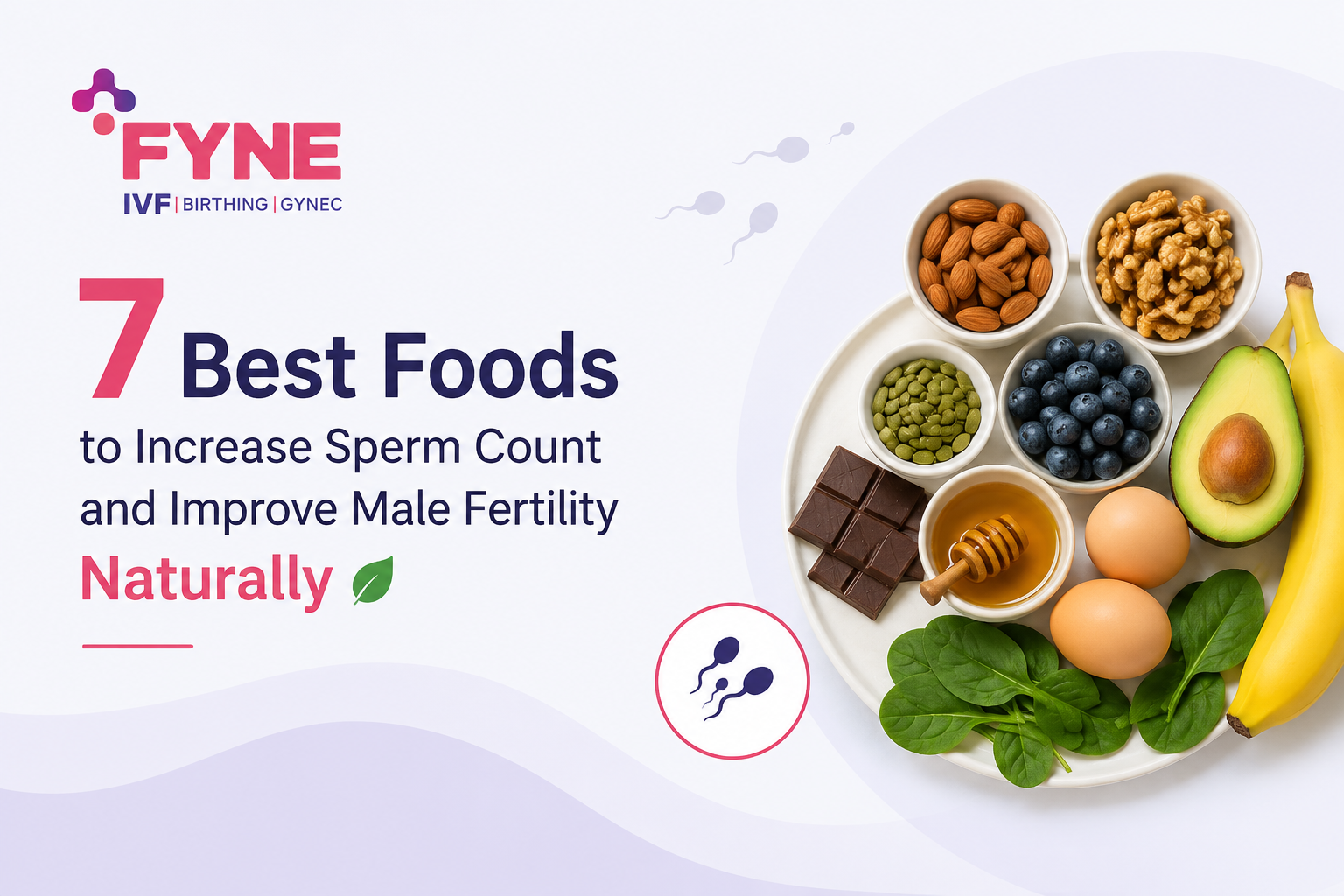
    • Eat a Balanced Diet: Include foods rich in antioxidants, folate, and healthy fats, such as leafy greens, nuts, and fish.
    • Limit Alcohol, Caffeine, and Smoking: These habits can negatively affect fertility, so cutting back or eliminating them is advisable.
    • Manage Stress: Stress can interfere with hormone regulation, so practices like yoga, meditation, or counselling can help.
    • Exercise Regularly: Regular physical activity can support overall health, but avoid overexertion, which can negatively impact fertility.

    While these changes may not solve every fertility issue, they certainly create a healthier environment for conception.

    Fertility Treatments Available

    There are a variety of advanced fertility treatments available for couples struggling to conceive naturally. Some of the most common options include:

    • Medications: Fertility medications can help stimulate ovulation and regulate hormonal imbalances.
    • IUI (Intrauterine Insemination): A less invasive treatment where sperm is directly placed into the uterus around the time of ovulation. Ideal for mild fertility issues.
    • IVF (In Vitro Fertilisation): Recommended for couples with complex infertility issues. Eggs are retrieved, fertilised outside the body, and the embryo is transferred into the uterus.
    • ICSI (Intracytoplasmic Sperm Injection): This advanced technique helps overcome male infertility by injecting a single sperm directly into an egg for fertilisation.
    • Donor Eggs/Sperm: For couples with severe infertility issues, using donor eggs or sperm can significantly improve the chances of a successful pregnancy.
    • Advanced Procedures: For complex fertility issues, treatments like genetic screening, egg freezing, or embryo freezing may be recommended.

    Modern technology and experienced doctors help tailor a treatment plan specific to your needs, ensuring the best possible outcome.

    Emotional Impact & Coping

    The emotional impact of infertility can be overwhelming. Repeated failed pregnancies or ongoing fertility struggles can cause stress, anxiety, and even depression. It is also common for couples to experience strain in their relationships during this period.

    Emotional support is just as important as medical care. Many fertility clinics offer counselling and support groups to help you through this challenging time. Understanding that infertility is common and treatable can reduce feelings of isolation and support mental health throughout the process.

    In Conclusion

    Being unable to become pregnant naturally is a common challenge faced by many couples, but it is not something that should stop you from pursuing your dream of parenthood. With the proper treatment and medical guidance, there is always hope.

    Modern fertility treatments, such as IVF, IUI, and ICSI, provide opportunities for couples to overcome infertility and achieve a successful pregnancy. Whether you’re just starting your fertility journey or have faced multiple setbacks, help is available.

    Unlock Your Fertility Potential with Our Help

    At FYNE IVF, we specialise in advanced fertility treatments designed to fit your specific needs. Whether you are just starting your journey or have experienced repeated miscarriages, we are here to guide you. Book your consultation today and take the first step towards parenthood.

    Frequently Asked Questions (FAQs)

    Does being unable to become pregnant mean I’ll never conceive?

    No, infertility does not always mean permanent infertility. Many couples conceive with the help of fertility treatments or lifestyle changes.

    How soon should I try IVF after a failed pregnancy?

    After a failed pregnancy, IVF can be considered as soon as the underlying causes are identified. Your fertility specialist will guide you through the process.

    Is infertility always permanent?

    Not necessarily. Many causes of infertility are treatable, and many couples achieve pregnancy with the right treatment and care.

    Can lifestyle changes alone improve the chances of pregnancy?

    While lifestyle changes can significantly improve fertility, they may need to be combined with medical treatments for optimal results.

    What if repeated IVF attempts fail?

    In cases of repeated IVF failure, additional treatments, including egg/sperm donation or genetic screening, may be considered to improve success rates.

  • Low AMH, High Hope: How Modern IVF Treatments Help You Conceive

    Low AMH, High Hope: How Modern IVF Treatments Help You Conceive

    A low AMH (Anti-Müllerian Hormone) level can be a source of concern for women hoping to conceive. While low AMH is often associated with a lower ovarian reserve and a reduced number of eggs, it doesn’t mean pregnancy is impossible. Modern IVF techniques and advancements in fertility treatments offer hope, even for those with low AMH.
    The purpose of this blog is to shed light on how modern IVF treatments can help women with low AMH overcome challenges and achieve their dreams of parenthood.

    What Does Low AMH Mean?

    AMH is a hormone produced by the ovaries, and it reflects the number of eggs remaining in a woman’s ovarian reserve. Low AMH levels generally indicate that a woman has fewer eggs left, which can make it more challenging to conceive. However, a low AMH level does not automatically mean that pregnancy is impossible. Many women with low AMH still have viable eggs, and with the right fertility treatments, they can achieve pregnancy.
    It’s also important to note that AMH levels don’t provide the full picture. They only reflect quantity, not quality, and there are women with low AMH who still respond well to fertility treatments and produce high-quality eggs. Therefore, while low AMH can pose challenges, it is not a definitive barrier to conception.

    How Modern IVF Treatments Help Women with Low AMH

    Although low AMH presents certain challenges, modern IVF treatments provide new opportunities for conception. Technological advancements and new techniques, such as IVM, and ICSI, are designed to optimise success rates for women with low AMH.

    In Vitro Maturation (IVM): A Lab-Based Solution for Immature Eggs

    In Vitro Maturation (IVM) is another breakthrough in fertility treatment, especially for women with low AMH. IVM involves the retrieval of immature eggs, which are then matured in the laboratory before fertilisation. This technique can be highly beneficial for women who may not respond well to traditional IVF stimulation protocols or for those with low AMH who have fewer but potentially viable eggs.
    By allowing eggs to mature outside the body, IVM provides an additional option for women seeking to maximise the potential of their eggs. While IVM is not as widely used as traditional IVF, it offers a promising solution for those with low AMH who still wish to try IVF with their own eggs.

    Intracytoplasmic Sperm Injection (ICSI): A Precise Fertilisation Method

    ICSI is a technique often used in IVF when there are concerns about egg quality, sperm quality, or when male factor infertility is present. In ICSI, a single sperm is injected directly into an egg, which increases the chances of fertilisation. This method is particularly effective for women with low AMH, where fertilisation might be a concern due to egg quality.
    With ICSI, the fertilisation process becomes much more controlled and precise, ensuring the best possible chance of success for each retrieved egg. This method increases fertilisation rates, which is essential for women with low AMH who might have a limited number of eggs to work with.

    Egg Donation: A Viable Option for Very Low AMH

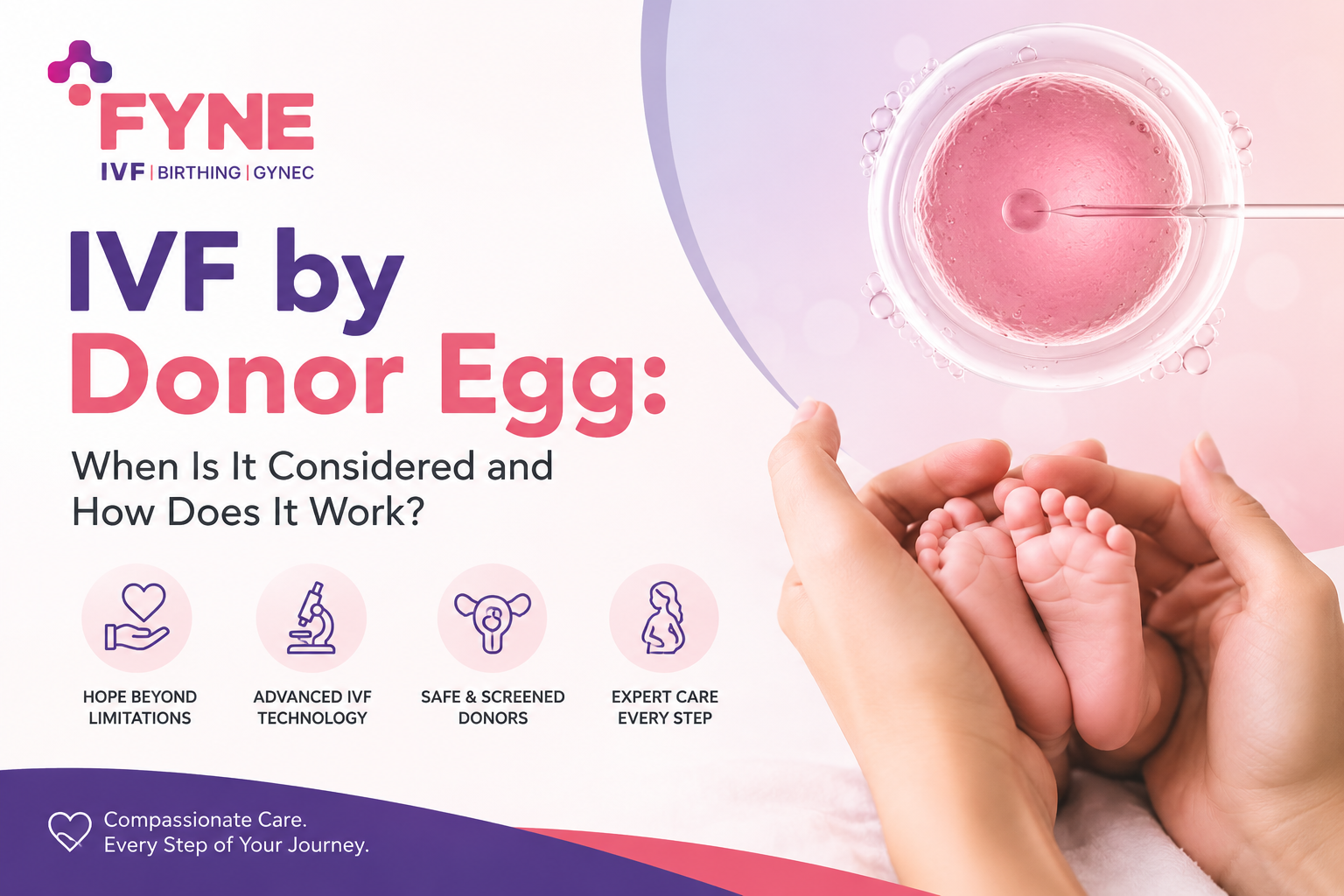
    For women with extremely low AMH or no viable eggs left, egg donation offers a solution. In cases where a woman’s own eggs are no longer feasible, using a donor egg allows her to carry a pregnancy. The donated egg, typically from a younger, healthy donor, can be fertilised through IVF and then implanted into the woman’s uterus.
    Egg donation can be a highly effective option for women who want to experience pregnancy and childbirth but have a very low ovarian reserve or diminished egg quality. While it may not be the first choice for every woman, egg donation can provide hope and the possibility of building a family for women with significantly reduced ovarian reserves.

    Lifestyle and Diet Support to Improve Egg Health

    Even with low AMH levels, lifestyle changes can significantly improve egg quality and support fertility. Although AMH levels cannot be increased, there are many ways to optimise the health of the remaining eggs and improve the chances of conception. Here are some key strategies:

    • Dietary Changes: A healthy, balanced diet rich in antioxidants, healthy fats, and whole grains can protect eggs from oxidative stress and improve overall fertility. Foods such as berries, nuts, seeds, and leafy greens are especially beneficial for reproductive health.
    • Supplements: Certain supplements can also support egg quality and reproductive health. Coenzyme Q10 (CoQ10) is known to improve egg quality, while vitamin D and folic acid can also help maintain a healthy reproductive system.
    • Reducing Stress: High stress levels can negatively impact fertility. Practices like yoga, meditation, and deep breathing can help reduce stress and support overall well-being. Managing stress can be a critical component of improving fertility and achieving success during IVF treatment.

    Emotional Support During IVF with Low AMH

    The emotional journey of IVF with low AMH can be challenging. Many women may experience frustration, fear, and disappointment, especially when they are not seeing immediate results. It’s important to acknowledge these emotions and seek support.
    Whether from loved ones, online communities, or professional counselling, emotional support plays a critical role in managing stress and improving the chances of success. Many women find it helpful to connect with others who are going through similar experiences. Fertility treatments can be emotionally taxing, but maintaining mental health and well-being can make a significant difference in the IVF process.

    In Conclusion

    Low AMH can seem daunting, but with modern IVF treatments and the right approach, there’s still hope for women hoping to conceive. Techniques such as IVM, ICSI, and even egg donation offer viable paths to pregnancy. These treatments, combined with lifestyle changes, emotional support, and personalised care, can help women with low AMH achieve their dream of parenthood.
    If you’re struggling with low AMH, it’s important to remember that while it presents challenges, it doesn’t make pregnancy impossible. With the advancements in IVF technology, there is more hope than ever before. By working closely with a fertility expert, you can discover the best course of action tailored to your unique situation.

    Start Your IVF Journey Today

    If you’ve been diagnosed with low AMH and are feeling unsure about your fertility future, modern IVF treatments can help. Book a consultation with Dr Deepali Chinchole, a renowned fertility expert in Pune at FYNE IVF, today and explore the best options to increase your chances of successful conception. Your dream of parenthood may be closer than you think.

    FAQs

    What does low AMH mean for fertility?

    Low AMH means fewer eggs remain in the ovaries, which can reduce fertility, but it doesn’t make pregnancy impossible. Many women with low AMH conceive with the right fertility treatment. 

    Can IVF work with low AMH?

    Yes, IVF is often recommended for women with low AMH, with techniques like ICSI, or egg donation helping increase the chances of successful conception. 

    Can I improve my egg quality with low AMH?

    While AMH cannot be increased, lifestyle changes like a healthy diet, supplements like CoQ10, and stress reduction can help optimise egg quality and improve fertility. 

    What is ICSI, and how does it help with low AMH?

    ICSI (intracytoplasmic sperm injection) involves injecting a single sperm directly into an egg to enhance fertilisation. It’s beneficial for women with low AMH, ensuring higher fertilisation rates and IVF success.

  • Unexplained Infertility: When Everything Seems Normal but Pregnancy Doesn’t Happen

    Unexplained Infertility: When Everything Seems Normal but Pregnancy Doesn’t Happen

    Infertility can be a long and emotionally taxing journey, especially when all medical tests return normal results but pregnancy still doesn’t happen. Unexplained infertility is a diagnosis that leaves many couples feeling confused and frustrated. This condition occurs when standard fertility tests show no apparent cause for infertility, yet conception still seems out of reach.
    The purpose of this blog is to offer clarity on the mystery of unexplained infertility, discuss potential causes that may not be detected by standard tests, and provide insight into advanced diagnostic options and treatment approaches that can help couples move forward in their fertility journey.

    What is Unexplained Infertility?

    Unexplained infertility is a condition where all diagnostic tests, such as blood tests, ultrasounds, and semen analysis, show normal results, but couples are still unable to conceive. This leaves many feeling uncertain and helpless. It is important to remember that unexplained infertility doesn’t mean there’s no solution; it simply means that the cause hasn’t been identified through routine testing.
    In the past, unexplained infertility was seen as a frustrating and puzzling diagnosis. However, it’s now understood that the inability to conceive is not necessarily a result of something broken or absent in the body; it’s simply something that hasn’t yet been pinpointed.

    Why Does Unexplained Infertility Happen?

    There are many potential reasons why unexplained infertility occurs, even when standard tests return normal results:

    • Egg Quality Issues: Poor egg quality may not show up in hormone tests but can affect fertility, making it harder for eggs to be fertilised or resulting in early miscarriage.
    • Sperm DNA Fragmentation: Sperm analysis may appear normal, but issues like sperm DNA fragmentation can impact fertilisation and embryo development.
    • Mild Endometriosis: Sometimes, endometriosis may be present but is not severe enough to show on standard tests, yet it can interfere with implantation or egg quality.
    • Immune System Factors: Some immune system dysfunctions, such as elevated natural killer cells, can prevent embryo implantation, and these issues are not always detected by regular tests.

    How Advanced Diagnostics and Holistic Evaluation Can Help

    To get to the bottom of unexplained infertility, a more holistic evaluation is often necessary. This may include advanced diagnostics, such as:

    • Genetic Testing: Screening for genetic abnormalities in both partners can provide insight into why conception isn’t occurring.
    • Comprehensive Sperm Analysis: A deeper sperm analysis to evaluate sperm DNA integrity can help identify any hidden male factor infertility.
    • Ovarian Reserve Testing: Beyond AMH, more detailed tests of ovarian function, such as antral follicle count, can provide more information about egg quality.

    Treatment Options for Unexplained Infertility

    Though the cause of unexplained infertility may be unclear, several treatments are available to help increase the chances of pregnancy:

    • IVF with Advanced Techniques: IVF allows for fertilisation outside the body, and advanced techniques like ICSI (intracytoplasmic sperm injection) or PGD (preimplantation genetic diagnosis) can improve success rates.
    • Lifestyle Modifications: Improving diet, exercise, and stress management can help improve fertility, even if the exact cause of infertility remains unknown.

    In Conclusion

    Unexplained infertility can be frustrating and emotionally draining, but it’s important to know that it’s not a dead end. With the right treatment plan, it’s possible to achieve pregnancy, even when the cause of infertility remains a mystery. Advanced diagnostics, such as genetic testing and comprehensive sperm analysis, can uncover hidden factors contributing to infertility, while IVF with advanced techniques provides hope for conception.
    The key is to remain proactive, work closely with a fertility expert, and explore all available treatment options. With the right approach, many couples with unexplained infertility find success in their fertility journey, making the dream of parenthood a reality.

    Take the Next Step Toward Parenthood

    If you’ve been diagnosed with unexplained infertility and are looking for tailored treatment solutions, it’s time to explore your options. Contact Dr Deepali Chinchole, a fertility expert in Pune at FYNE IVF, today for advanced diagnostics and personalised fertility care to help you achieve your dream of becoming a parent. The right treatment and support are within reach; your path to parenthood could start today.

    FAQs:

    What does unexplained infertility mean?

    Unexplained infertility means that fertility tests are normal, but conception still isn’t happening. The cause remains undetected despite thorough testing. 

    Can mild endometriosis cause infertility?

    Yes, mild endometriosis can lead to infertility, even if it’s not easily detected on routine tests, affecting implantation and egg quality. 

    What tests are used to diagnose unexplained infertility?

    Tests include semen analysis, hormone testing, ultrasound, and hysterosalpingography. Advanced diagnostics like genetic testing may be used when routine tests fail. 

    What treatments are available for unexplained infertility?

    IVF, ICSI, lifestyle changes, and advanced diagnostic tools can help couples with unexplained infertility. These treatments offer hope and increase the chances of conception. 

    How long does unexplained infertility treatment take?

    Treatment length varies. It depends on the type of therapy or IVF protocol used, but many couples find success after a few cycles of treatment.

Book Appointment