Author: Fyne IVF

  • The Natural Path to Better Ovulation

    The Natural Path to Better Ovulation

    When it comes to fertility and ovulation, natural methods can play a significant role in enhancing your chances. Understanding and incorporating these methods into your lifestyle can lead to more balanced hormones and improved reproductive health.

    In this blog, we will explore several key areas that impact ovulation: sleep, exercise, diet, supplements, avoiding harmful substances, managing stress, and regular medical checkups. Each of these factors contributes to creating an optimal environment for ovulation, ensuring that your body functions at its best.

    By adopting these natural methods, you can take proactive steps to support your reproductive health. Better sleep patterns, regular physical activity, a balanced diet, appropriate supplements, avoiding harmful substances, managing stress, and staying on top of medical checkups are all effective strategies for increasing your chances of ovulation.

    The Importance of Sleep

    Good sleep is crucial for maintaining hormonal balance, which is essential for ovulation. When you get adequate rest, your body can regulate the production of hormones, including those that influence your menstrual cycle and ovulation. Sleep impacts the levels of various hormones, such as cortisol, which can affect your reproductive system if imbalanced.

    Women who sleep an average of 7-9 hours each night have 20% higher levels of follicle-stimulating hormone (FSH) compared to those who regularly sleep for shorter periods. FSH plays a critical role in the development of eggs in the ovaries, and higher levels can enhance your chances of ovulation.

    Beyond its hormonal benefits, sleep is also vital for managing stress and maintaining emotional well-being. Adequate sleep helps you cope with daily stressors and reduces anxiety, both of which can negatively impact your reproductive health. By ensuring  a good night’s sleep, you support your body’s ability to function optimally, creating a more favourable environment for ovulation.

    Exercise and Physical Activity

    Regular exercise is another vital component for enhancing your chances of ovulation. One of the primary benefits of physical activity is weight maintenance. Maintaining a healthy weight is crucial for hormonal balance, as excess body fat can lead to an overproduction of oestrogen, which can disrupt ovulation. By engaging in regular exercise, you help your body regulate weight, which supports a more balanced hormonal environment.

    Exercise also plays a significant role in reducing the risk of insulin resistance and type 2 diabetes. Insulin resistance can interfere with ovulation by affecting hormone levels. Physical activity improves your body’s sensitivity to insulin, ensuring that your blood sugar levels remain stable. This, in turn, helps regulate your menstrual cycle and supports regular ovulation.

    In addition to its physical benefits, exercise is an excellent way to reduce stress and anxiety. High-stress levels can lead to an increase in cortisol, a hormone that can disrupt your reproductive hormones. By incorporating regular physical activity into your routine, you can lower your stress levels and promote a sense of well-being. Activities such as walking, yoga, and swimming are particularly effective in reducing stress while supporting overall health.

    By prioritising regular exercise, you not only enhance your physical health but also create a more supportive environment for ovulation.

    Healthy Diet

    Maintaining a healthy weight through a balanced diet supports regular ovulation. Excess weight can cause hormonal imbalances, while being underweight can disrupt hormone production. Both conditions can interfere with ovulation.

    Key nutrients for reproductive health include:

    • Folic Acid: Essential for cell growth and ovulation.
    • Vitamin D: Supports progesterone and oestrogen production.
    • Omega-3 Fatty Acids: Reduce inflammation and support hormone production.
    • Iron: Prevents anaemia and supports reproductive health.
    • Antioxidants: Protect cells and support reproductive function.

    Incorporate fruits, vegetables, whole grains, lean proteins, and healthy fats into your diet to maintain hormonal balance and promote healthy ovulation.

    Avoiding Harmful Substances

    Avoiding harmful substances is crucial for hormonal balance and ovulation. Excess sugar can disrupt insulin levels, leading to insulin resistance and affecting hormonal balance. Alcohol increases cortisol and affects oestrogen levels, disrupting your menstrual cycle and ovulation. Additionally, recreational drugs and smoking can negatively impact your menstrual cycle and fertility. Limiting these substances helps maintain a healthy reproductive system and supports ovulation.

    Managing Stress

    Managing stress is crucial for hormonal balance and ovulation. High stress levels cause cortisol spikes, disrupting appetite, metabolism, and weight, which can affect your menstrual cycle. To reduce stress, try mindfulness practices like meditation and deep breathing, or yoga, which combine physical activity with relaxation. Regular exercise, even light activities like walking, also helps lower stress. By managing stress effectively, you support hormonal balance and improve your chances of ovulation.

    Conclusion

    Adopting natural methods can greatly improve your chances of ovulation. Focus on getting adequate sleep, staying physically active, eating a balanced diet, and managing stress effectively. Limiting harmful substances and using appropriate supplements can also help maintain hormonal balance. Don’t forget the importance of regular checkups with your healthcare provider for tailored advice and treatment.

    At Fyne IVF, we specialise in providing tailored fertility solutions. Our services include thorough fertility evaluations, advanced treatments, and fertility preservation options. With a success rate of 75-82%, our team is committed to offering compassionate and effective care. Schedule a consultation at Fyne IVF and let us support you on your journey to parenthood.

  • Why BMI Matters in Your Journey to Parenthood?

    Why BMI Matters in Your Journey to Parenthood?

    The journey to parenthood can be filled with numerous challenges and emotions. For many, the dream of holding a baby in their arms can seem elusive, especially when faced with fertility issues.

    One critical factor that often goes unnoticed is Body Mass Index (BMI). Understanding how BMI impacts fertility can be crucial for those looking to conceive. Maintaining a healthy BMI not only boosts your overall health but also significantly enhances your chances of conception. Let’s delve into how BMI affects fertility and explore ways to manage it for better reproductive outcomes.

    Understanding BMI

    Body Mass Index (BMI) is a measure of body fat based on your weight in relation to your height. It is calculated by dividing your weight in kilograms by the square of your height in meters (kg/m²). BMI categories include:

    • Underweight: BMI less than 18.5
    • Normal weight: BMI 18.5-24.9
    • Overweight: BMI 25-29.9
    • Obese: BMI 30 and above

    These ranges provide a general idea of whether an individual has a healthy amount of body fat, with implications for overall health and wellness.

    BMI and Its Impact on Female Fertility

    BMI plays a crucial role in female fertility. Both high and low BMIs can lead to hormonal imbalances that disrupt ovulation. Women with a high BMI often experience conditions such as polycystic ovary syndrome (PCOS), which is characterized by irregular menstrual cycles and difficulty ovulating. Conversely, a low BMI can lead to a deficiency in essential hormones required for ovulation.

    Research indicates that women with a BMI above 30 have a 26% less chance of getting pregnant compared to those with a BMI in the normal range. Additionally, women with a BMI below 18.5 also face challenges with conception due to insufficient hormone levels.

    The Complications of High BMI in Pregnancy

    Women with a high BMI are at an increased risk of miscarriages, preterm births, and complications during delivery. Moreover, obesity during pregnancy can lead to gestational diabetes, hypertension, and increased likelihood of requiring a cesarean section. These complications highlight the importance of managing BMI before and during pregnancy to ensure both maternal and fetal health.

    BMI and Male Fertility

    BMI also affects male fertility, though it is often less discussed. Men with a high BMI tend to have lower sperm quality and count, which can significantly impact their ability to conceive. Excessive body fat can lead to hormonal imbalances that reduce testosterone levels, affecting sperm production. Studies show that men with a BMI over 30 have a 22% lower sperm count compared to those with a normal BMI.

    BMI and Fertility Treatments

    When it comes to fertility treatments like in vitro fertilization (IVF) and intracytoplasmic sperm injection (ICSI), BMI plays a significant role in determining success rates. Women with a high or low BMI often face lower success rates in these treatments. Research suggests that women with a normal BMI have higher implantation and pregnancy rates during IVF cycles compared to those with a BMI outside the normal range.

    Improving Fertility Through BMI Management

    Achieving and maintaining a healthy BMI can improve fertility outcomes for both men and women. Here are some practical tips:

    • Diet: Focus on a balanced diet rich in fruits, vegetables, lean proteins, and whole grains. Avoid processed foods and sugary beverages.
    • Exercise: Incorporate regular physical activity into your routine, aiming for at least 150 minutes of moderate exercise per week.
    • Lifestyle Changes: Avoid smoking and excessive alcohol consumption. Manage stress through activities like yoga, meditation, or hobbies.

    Professional Guidance and Support

    Seeking help from fertility specialists can provide personalized treatment plans to address BMI-related fertility issues. Specialists can offer tailored advice and support, helping you achieve a healthy BMI and improving your chances of conception. Professional guidance is invaluable in navigating the complexities of fertility and BMI.

    Conclusion

    Maintaining a healthy BMI is crucial for enhancing fertility and ensuring a healthy pregnancy. Both high and low BMIs can pose significant challenges, but with the right approach, these obstacles can be managed effectively. It’s not just about the numbers on the scale but about achieving overall well-being to support your journey to parenthood.

    At Fyne IVF, we understand the complexities and emotional weight that come with fertility issues. Our dedicated team of specialists is here to support you every step of the way. We offer personalized treatment plans tailored to your unique needs, helping you manage your BMI and improve your chances of conception. With our comprehensive care, advanced treatments, and empathetic approach, we aim to make your dream of becoming a parent a reality.

    For more information and support, visit Fyne IVF. Together, we can navigate this journey, focusing not just on weight but on your overall health and well-being, giving you the best possible chance at a successful pregnancy and a healthy baby.

  • The Effects of Aging on Female Fertility

    The Effects of Aging on Female Fertility

    Have you ever wondered how a woman’s age affects her ability to conceive? Understanding this link is essential, whether you’re planning to start a family now or in the future. As women age, their chances of conceiving naturally decrease, making it crucial to be informed about how age impacts fertility.

    A woman’s fertility peaks in her early 20s and starts to decline in her mid-30s. After the age of 35, this decline accelerates, and the chances of conceiving naturally decrease significantly. By the age of 40, chances of natural conception  are around 5%, and drop to less than 1% by the age of 45. Knowing these statistics can help you make informed decisions about your reproductive health and family planning.

    In the following sections, we will explore why fertility declines with age, the importance of awareness and consultation, and the options available for preserving fertility.

    Reasons for Decline in Fertility

    Understanding the reasons behind the decline in fertility with age can help you make more informed decisions about your reproductive health. Here are the key factors:

    Egg Quantity

    Women are born with a finite number of eggs. From birth, the number of eggs steadily decreases over time. By the time a woman reaches puberty, she has about 300,000 to 400,000 eggs left. This number continues to decline with each menstrual cycle. By the time a woman reaches her late 30s or early 40s, the number of viable eggs drops significantly. Eventually, menopause occurs, marking the end of a woman’s reproductive years.

    Egg Quality

    The quality of a woman’s remaining eggs also declines with age. As women get older, their eggs are more likely to have chromosomal abnormalities, which can make it harder for these eggs to be fertilised and successfully implant in the uterus. This decline in egg quality contributes to increased rates of miscarriage and difficulty in achieving a healthy pregnancy as women age.

    Medical Conditions

    Older women are more likely to develop medical conditions that can affect fertility. Conditions such as diabetes, high blood pressure, and thyroid become more common with age and can complicate efforts to conceive. These health issues can interfere with ovulation, implantation, and the overall ability to maintain a healthy pregnancy. Therefore, managing and monitoring your health becomes increasingly important as you age, particularly if you are planning to conceive.

    Options for Preserving Fertility

    If you are concerned about age-related fertility decline or wish to delay childbearing, several options can help preserve your fertility.

    1. Fertility Preservation
      Egg freezing is an effective method for preserving fertility. This process involves harvesting and freezing your eggs for future use. By freezing your eggs at a younger age, you can maintain higher egg quality and quantity, providing better chances for future conception.
    2. Assisted Reproductive Technologies (ART)
      For women facing age-related fertility challenges, assisted reproductive technologies such as IVF and ICSI offer valuable solutions:
    • IVF (In Vitro Fertilisation): This process involves stimulating the ovaries to produce multiple eggs, fertilising them with sperm in a lab, and transferring the resulting embryos to the uterus. IVF allows for the selection of the best-quality embryos.
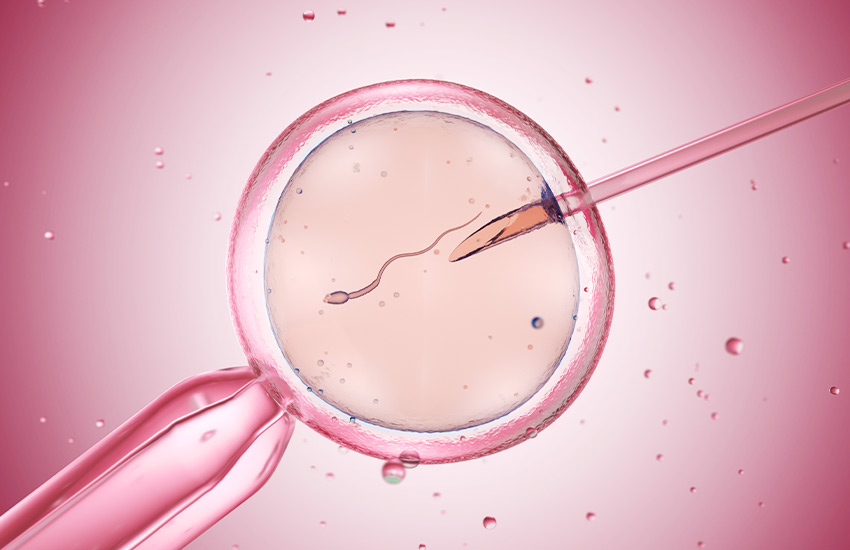
    • ICSI (Intracytoplasmic Sperm Injection): In this specialised form of IVF, a single sperm is directly injected into an egg to facilitate fertilisation, which helps  overcome certain age-related fertility issues.

    These options provide hope and flexibility for women looking to secure their reproductive future.

    Proactive Steps and Resources

    Taking proactive steps towards maintaining and managing your fertility is essential. Here are some key actions and resources to consider:

    1. Prioritise Reproductive Health: Regular check-ups with your healthcare provider can help monitor your reproductive health. Maintaining a healthy lifestyle, having  a balanced diet, exercising regularly, and avoiding smoking and excessive alcohol consumption can positively impact your fertility.
    2. Stay Informed About Fertility Options: Educate yourself about the various fertility preservation and treatment options available. Understanding these can help you make informed decisions about your reproductive future.
    3. Seek Support When Needed: Don’t hesitate to consult with a fertility specialist if you have concerns about your fertility. They can provide personalised advice and guide you through the available options based on your individual circumstances.

    Conclusion

    Taking control of your reproductive health is essential, especially when considering the impact of age on fertility. Being proactive, staying informed about your options, and seeking support when needed can make a significant difference in your fertility journey.

    At Fyne IVF, we are dedicated to nurturing hope and creating families through expert fertility solutions. Our comprehensive services, including fertility evaluation, preservation, and advanced reproductive technologies, are designed to support you every step of the way. With a success rate of 75-82%, customised services, and a patient support community, we are committed to making parenthood possible for you.

    If you’re ready to take the next step, contact us at Fyne IVF for a consultation. We are here to help you navigate your fertility journey with confidence and care.

  • Understanding the Connection between PCOS and Fertility

    Understanding the Connection between PCOS and Fertility

    Motherhood is a beautiful journey filled with tender moments, heartfelt laughter, and nurturing the strong bond between the mother and her child. However, the path to motherhood varies for every woman. About 10% of women during their childbearing years face a hormonal disorder which can impact ovulation and menstrual regularity – Polycystic Ovary Syndrome, or PCOS. But does having PCOS truly hinder conception?

    Let’s uncover the truths behind PCOS and fertility in this blog.

    Understanding PCOS

    There are many misconceptions regarding PCOS, such as the belief that it always involves cysts on the ovaries or that it solely affects overweight women. These misunderstandings can delay proper diagnosis and treatment, affecting a woman’s reproductive health. Therefore, it is important to understand PCOS properly.

    PCOS, or polycystic ovary syndrome, is a hormonal disorder affecting many women during their childbearing years. It often starts in adolescence, but symptoms can come and go over time. PCOS disrupts hormonal balance, leading to irregular periods, and sometimes cysts in the ovaries.

    PCOS symptoms can vary widely, but these are some common signs to watch out for:

    • Irregular Periods: This is often the first and most noticeable indicator. Women with PCOS may experience infrequent periods, meaning fewer than nine per year, or have cycles lasting longer than 35 days. Conversely, some women have periods that are very light or don’t occur at all.
    • Excess Androgen: Androgens are hormones naturally present in both men and women, but in PCOS, their levels become elevated. This can manifest as hirsutism, unwanted hair growth on the face, chest, abdomen, or back.
    • Ovulation Issues: Ovulation, which is the release of an egg from the ovary, may not occur regularly or at all due to hormonal imbalance. This can significantly impact a woman’s fertility.

    Beyond these core symptoms, PCOS can also cause:

    • Acne: Androgen excess can lead to persistent acne breakouts on the face, chest, and back.
    • Weight Gain and Insulin Resistance: PCOS can make it more difficult for the body to use insulin effectively, leading to weight gain, particularly around the abdomen.
    • Skin Changes: Oily skin and the development of small skin tags on the neck or under the arms can sometimes occur.

    It’s important to remember that not every woman with PCOS will experience all these symptoms. However, concerns about menstrual cycles, hair growth, or fertility should prompt a visit to the doctor. Early diagnosis can help manage symptoms better and improve overall well-being.

    Diagnosing PCOS

    PCOS diagnosis is the first step to managing fertility. Diagnosis relies on the Rotterdam criteria, established by a leading international panel of reproductive health experts. These criteria consider two out of three factors: irregular menstruation, excess male hormones, or polycystic ovaries seen on ultrasound. A doctor might recommend:

    • Pelvic Ultrasound: A painless imaging technique to check for cysts.
    • Blood Tests: To measure hormone levels and rule out other conditions.
    • Pelvic Health Assessment: A routine check-up for overall reproductive health.

    By identifying PCOS early, and creating a plan to regulate their menstrual cycle, women with PCOS can improve ovulation, and address any health concerns. This initiative enables women to be empowered to make informed decisions about their fertility journey.

    PCOS and Its Impact on Fertility

    PCOS disrupts fertility primarily by affecting the menstrual cycle and ovulation. While not all women with PCOS have cysts, their presence can further hinder ovulation. A healthy menstrual cycle relies on a precisely regulated hormonal cycle. In women with PCOS, this cycle goes uneven. The excess androgen production disrupts the development of follicles, the fluid-filled sacs in the ovaries that house maturing eggs. These follicles may fail to mature fully, preventing ovulation from occurring. This translates to irregular or infrequent menstruation, a hallmark symptom of PCOS.

    Furthermore, PCOS can also lead to complications that indirectly affect fertility. Insulin resistance, a common symptom of PCOS, leads to elevated blood sugar and weight gain, as the body struggles to utilise it effectively. This can further disrupt hormonal balance in PCOS. Additionally, the excess of androgens can contribute to multiple cysts on the ovaries.

    Despite these challenges, many women with PCOS conceive naturally, and effective treatment options like In Vitro Fertilisation (IVF) exist to address the underlying hormonal imbalances and improve fertility.

    Treatment Options for PCOS

    For some women with PCOS, advanced reproductive technologies (ART) may be considered. In Vitro Fertilisation (IVF) is a well-established option that involves retrieving eggs, fertilising them with sperm in a laboratory setting, and implanting the resulting embryos into the uterus. While success rates vary depending on individual factors, IVF offers a viable path to parenthood for women with PCOS.

    Medications can also play a crucial role in managing PCOS symptoms and enhancing fertility. Metformin, commonly used for type 2 diabetes, helps the body utilise insulin more effectively, addressing insulin resistance. Clomiphene is another medication that can stimulate ovulation by regulating the hormones involved in egg maturation and release.

    A cornerstone of PCOS management is a healthy lifestyle. Studies have shown that even moderate weight loss (around 5-10% of your body weight) can significantly improve ovulation rates and overall health. Here are some practical tips that can be incorporated into the daily routine to manage PCOS symptoms:

    • Diet: Focusing on whole grains, lean protein, and healthy fats while limiting processed foods and sugary drinks. Incorporating food with lower carbohydrates and a reduced glycemic load helps regulate blood sugar levels.
    • Exercise: Aiming for at least 30 minutes of moderate-intensity exercise most days of the week.
    • Weight Management: Even modest weight loss can significantly improve PCOS symptoms and fertility.

    Regular check-ups with healthcare providers are crucial for monitoring PCOS and tailoring the treatment plan accordingly. These visits may include blood tests, pelvic ultrasounds, and discussions about the symptoms and overall health.

    To Sum Up

    PCOS can present challenges on the path to parenthood, but with the right approach and support, you can achieve your fertility goals. Identifying the symptoms and getting diagnosed by healthcare professionals is key. It helps parents to embark on their pregnancy journey with clarity and confidence.

    FYNE IVF’s team of fertility experts is here to guide aspiring couples every step of the way. One of our patients, Ujwala who has PCOS and issues with maturing eggs, faced multiple failed inseminations and IVF attempts at another clinic. She travelled several hours to seek Dr. Deepali’s help, who reviewed her medical records and created a tailored plan that resulted in the birth of her two beautiful boys. With a success rate of 82%, counselling programs, and advanced IVF treatments, we are here to transform your hope into happiness and help you nurture your dream family. Schedule a consultation with us to discuss your fertility concerns and explore IVF options suitable to your needs.