Author: Fyne IVF

  • The Advantages and Disadvantages of IVF: Is It Right for You?

    The Advantages and Disadvantages of IVF: Is It Right for You?

    In vitro fertilization (IVF) has revolutionized reproductive medicine, offering hope to countless individuals and couples facing infertility. IVF involves fertilizing an egg outside the body in a laboratory and has brought joy to many by making parenthood possible. However, like any medical treatment, IVF has both advantages and potential drawbacks. This guide will help you understand the pros and cons of IVF, enabling you to make an informed decision.

    What is IVF?

    IVF is a type of assisted reproductive technology (ART) that combines a woman’s egg and a man’s sperm in a laboratory dish. After fertilization, the resulting embryo is transferred to the woman’s uterus, where it can implant and develop into a pregnancy. The procedure is complex, often requiring multiple cycles and the expertise of skilled fertility specialists.

    Advantages of IVF Treatment

    1. Higher Success Rates for Certain Infertility Issues:
    IVF is one of the most effective fertility treatments, especially for those with blocked fallopian tubes, endometriosis, or male-factor infertility. For women under 35, the pregnancy success rate per cycle can range from 40% to 50%.

    2. Control Over Timing and Family Planning:
    IVF provides individuals and couples greater control over when they start a family. This flexibility is vital for balancing career, personal goals, or health considerations with family planning.

    3. Embryo Preservation:
    IVF allows for freezing and storing embryos for future use. This option is particularly beneficial for women undergoing treatments like chemotherapy that may impact fertility.

    4. Use of Donor Eggs or Sperm:
    For those with severe infertility challenges, IVF enables the use of donor eggs or sperm, significantly increasing the likelihood of conception when other methods fail.

    5. Genetic Screening:
    IVF offers the option of preimplantation genetic testing (PGT), which can identify genetic disorders in embryos before implantation. This helps reduce the risk of passing on certain genetic conditions.


    IVF Success Rate: What to Expect

    The success of IVF depends on various factors, including age, infertility causes, and embryo quality. Consider the following points:

    • Women under 35 have success rates of approximately 50% per cycle.
    • Success rates decrease with age, particularly for women over 45.
    • Multiple cycles may be necessary to achieve a successful pregnancy.

    Disadvantages of IVF Treatment

    1. Emotional and Physical Stress:
    IVF can be physically and emotionally demanding. The uncertainty of outcomes and the possibility of repeated cycles can lead to anxiety and depression, highlighting the importance of a strong support system.

    2. High Cost:
    IVF is expensive, and costs increase with multiple treatment cycles. For many, the financial aspect can be a significant concern.

    3. Risk of Multiple Pregnancies:
    Transferring multiple embryos can lead to multiple pregnancies, increasing the risk of complications such as preterm birth and low birth weight.

    4. Side Effects and Health Risks:
    Potential risks include ovarian hyperstimulation syndrome (OHSS), ectopic pregnancies, and side effects from hormonal injections, such as rapid weight gain.

    5. No Guarantee of Success:
    Despite advancements in reproductive technology, there is no guarantee that IVF will result in a successful pregnancy. Each cycle carries its own uncertainties.


    Conclusion

    IVF has transformed fertility treatments, offering solutions and hope where other methods have failed. While it provides benefits like genetic screening, embryo preservation, and higher success rates for specific issues, it also involves emotional, physical, and financial challenges.

    If you’re considering IVF, consult a fertility specialist to discuss the risks, benefits, and success rates specific to your situation. This will help you make an informed decision and chart the best path toward parenthood.

  • Preserving Fertility: Everything You Need to Know About Egg Freezing

    Preserving Fertility: Everything You Need to Know About Egg Freezing

    With increased focus on career and personal goals in today’s world, fertility preservation has become a vital option for individuals and couples seeking to delay parenthood. The medical advancement of egg freezing is a viable and easy option for preserving reproductive potential.

    But how do you decide it is suitable for you and when can this procedure be done? In this blog, you will get deeper insights and the key details about egg freezing, how it is done and whom it is suitable for.

    What is Egg Freezing?

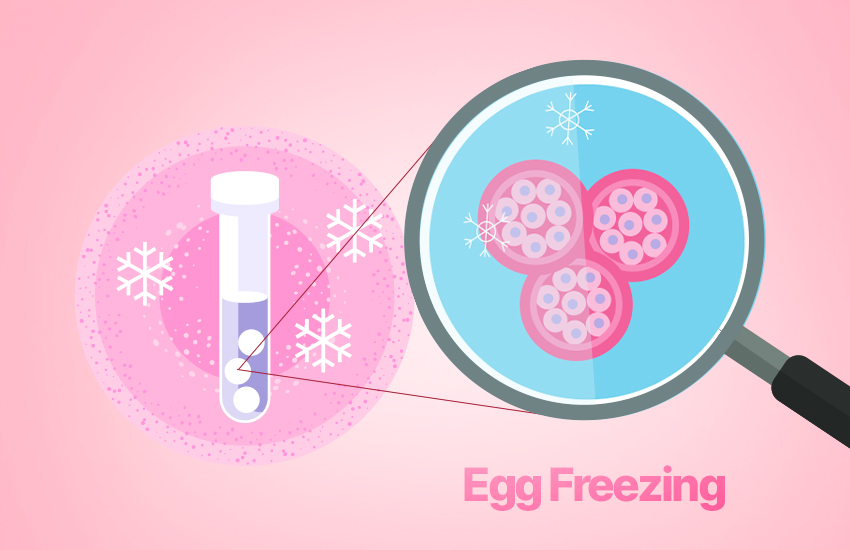
    • Egg freezing, also known as oocyte cryopreservation, involves extracting, freezing, and storing a woman’s eggs to preserve her reproductive potential.
    • By freezing eggs at a younger age when they are most viable, women can preserve their fertility against the dual challenges of age-related decline and low Anti-Müllerian Hormone (AMH) levels.
    • This procedure empowers women with the flexibility to pursue their career and personal goals without sacrificing their future chances of motherhood.

    How is Egg Freezing done?

    • The egg freezing process begins with an assessment of ovarian reserve through blood tests and a pelvic ultrasound to estimate the potential number of oocytes and determine medication dosage.
    • Ovarian stimulation follows, similar to in vitro fertilisation (IVF), using injectable hormonal medications.
    • Oocyte retrieval is followed where oocytes and surrounding fluids are aspirated vaginally under sedation.
    • Finally, cryopreservation of the mature eggs is done using vitrification, a method involving ultra-rapid cooling into liquid nitrogen for long-term storage.

    Who is it for?

    • Medical indications for egg freezing include women undergoing cancer treatment, such as chemotherapy or radiation, which can damage the ovaries.
    • Women facing surgery that could harm ovarian function.
    • Women at risk of premature ovarian failure.

    What is the ideal age for egg freezing?

    The best time to freeze eggs is in the early to mid-30s, as fertility begins to decline after the age of 35.

    What are the benefits of egg freezing?

    • It provides flexibility for women who wish to delay childbirth and are not ready to start a family.
    • It gives women control over their reproductive future, allowing them to make decisions that align with their long-term goals.
    • It helps alleviate the pressure of biological clocks.

    How will these Eggs be Used?

    • When a woman decides to use her frozen eggs, they are thawed and assessed. Surviving eggs are fertilized via intracytoplasmic sperm injection (ICSI), where a single sperm is injected into the egg.
    • The resulting embryos are cultured for 3-5 days before being transferred into the uterus to achieve pregnancy.

    What are the Chances of a Successful Pregnancy?

    Clinical pregnancy rates usually range between 4-12% per oocyte, though more data is needed. Success depends largely on the woman’s age at the time of freezing and the number of available eggs.

    Are There Effects on the Offspring Conceived from Frozen-thawed Oocytes?

    Studies have not shown an increased risk of congenital anomalies in children born from frozen-thawed oocytes compared to those from fresh oocytes, but more long-term data is needed.

    What are the Risks Associated with the Oocyte Cryopreservation Procedure?

    The risks are similar to those of ovarian stimulation for IVF, including a small chance of ovarian hyperstimulation syndrome, infection, and bleeding during egg retrieval.

    How Long Can the Eggs Be Stored?

    Eggs can be stored for extended periods without adverse effects, though data is currently limited to up to 4 years.

    It’s important to note that older maternal age can increase the risks of pregnancy complications. Most clinics have an upper age limit for using stored eggs.

    Conclusion

    It is imperative to create widespread awareness among women about the impact of age and low AMH levels on fertility, as well as the potential of egg freezing as a proactive measure.

    Empowering women with this knowledge will enable them to make informed decisions about their reproductive health, preserving their chances for future motherhood.

    At Fyne IVF, we offer egg freezing options to help individuals and couples preserve their fertility. Our expert team provides personalized consultations to help you make the best choice based on your unique needs and future fertility goals.


  • A sneak peek into how we are turning your Parenthood dreams into reality.

    A sneak peek into how we are turning your Parenthood dreams into reality.

    Over the past years, advances in IVF technology have changed lives and offered hope where there once was despair. New methods and tools are making it easier for couples to conceive. From IVF breakthroughs to sperm extraction and genetic testing, the options are expanding rapidly.

    Understanding these advancements can empower those facing fertility challenges. Staying informed about the latest trends is crucial for anyone considering treatment.

    In this blog post, we will explore 5 key technological advancements that are shaping the future of fertility treatments and turning parenthood dreams into reality.

    1. Artificial Intelligence (AI) in Embryo Selection

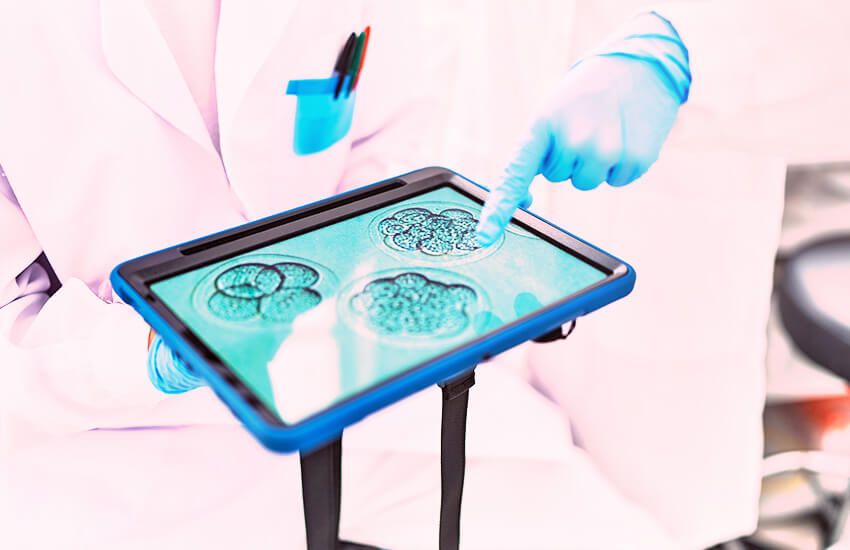
    • Artificial intelligence (AI) and Deep Learning are making their way into fertility treatments, specifically in embryo selection. Traditionally, embryologists used to manually assess embryos and select the best ones for transfer.
    • AI technology uses advanced algorithms to analyze vast amounts of data to predict which embryos are most likely to result in a successful pregnancy and overcome the subjective bias of the manual methods.
    • AI-driven embryo selection has the potential to increase the success rates of IVF by ensuring that the best-quality embryos are chosen for transfer. It also minimizes human error and enhances the precision of fertility treatments, improving outcomes for patients.
    • This technology represents a major leap forward in personalized fertility care, as AI can tailor treatment recommendations based on individual patient data.

    2. Cryopreservation and egg-freezing

    • Cryopreservation, or freezing reproductive cells (sperm, eggs, or embryos), including egg freezing, known as oocyte cryopreservation (OC), has revolutionized fertility treatments by offering flexibility and preserving fertility for future use.
    • One of the most significant advancements in cryopreservation technology is vitrification, a rapid freezing technique that minimizes the formation of ice crystals that can damage reproductive cells.
    • Vitrification has greatly improved the survival rates of frozen eggs and embryos, leading to higher success rates in fertility treatments involving frozen embryos.
    • Cryopreservation also enables couples undergoing IVF to freeze surplus embryos, which can be used for future fertility attempts without the need for additional IVF cycles.
    • Egg freezing has become an increasingly popular option for women who want to preserve their fertility for later use.
    • Whether due to medical reasons (such as cancer treatments) or personal choices (such as delaying parenthood), egg freezing allows women to store their eggs while they are still young and healthy.
    • This technology has empowered many women to take control of their reproductive health and plan their families on their own terms.

    3. Stem Cell Research

    • Stem cell therapy is emerging as a groundbreaking treatment option for infertility.
    • Stem cell research offers exciting possibilities for creating in vitro gametes, where scientists can derive gametes from pluripotent stem cells. This process involves converting these stem cells into either sperm or eggs. The potential here is vast, especially for individuals with fertility issues.
    • Clinical trials are underway to investigate the use of stem cells to restore ovarian function in women with premature ovarian failure and to repair damaged testicular tissue in men.
    • Early results are promising and could pave the way for new fertility therapies soon.

    4. Genomic Medicine and Personalized Fertility Treatments

    • By analysing a patient’s genetic makeup, IVF doctor can now tailor treatments to the individual’s unique genetic profile, enhancing the effectiveness of fertility treatments and reducing the risk of complications.
    • Preimplantation genetic testing (PGT): It involves removing a few cells from an embryo and testing them for chromosomal abnormalities or specific genetic conditions. This ensures that only the healthiest embryos are selected for implantation, increasing the chances of a successful pregnancy.
    • Two types of PGT have become highly popular:
    • Preimplantation Genetic Testing for Aneuploidy (PGT-A):Screens embryos for chromosomal abnormalities, such as Down syndrome or Turner syndrome.
    • Preimplantation Genetic Testing for Monogenic Disorders (PGT-M):Screens for specific inherited genetic conditions, such as cystic fibrosis or sickle cell anemia.
    • Non-invasive prenatal testing (NIPT):Used to assess the genetic health of embryos before implantation, providing safer and more comprehensive genetic screening without the need for invasive procedures.

    5. Fertility Preservation Through Ovarian Tissue Freezing

    • Another groundbreaking advancement in fertility preservation is ovarian tissue freezing, a procedure that allows women to preserve their fertility before undergoing treatments like chemotherapy, which can harm ovarian function.
    • Ovarian tissue freezing involves removing and freezing a portion of the ovary, which contains thousands of immature eggs. Once the woman is ready to conceive, the ovarian tissue is thawed and re-implanted in her body, where it can restore normal ovarian function.
    • It offers hope for women who are unable to undergo egg freezing due to the urgency of their medical treatment or who do not have the time to complete an IVF cycle before starting chemotherapy.
    • Ovarian tissue freezing has already resulted in successful pregnancies and live births, making it a promising option for fertility preservation in women facing medical challenges.

    With the development of IVF technology, the future of fertility treatments looks promising with genomic medicine, stem cell research, artificial intelligence and deep learning enhancing embryo selection accuracy.

    Emerging reproductive technologies are reshaping the destiny of reproductive health. From cutting-edge IVF techniques, Bioprosthetic Ovaries, Hormonal Monitoring, Sperm Sorting, IVF-on-a-chip, Microfluidic Technologies, Sperm Extraction Techniques, Ovarian Sensitivity and other groundbreaking reproductive technologies, these innovations are making a real difference.

  • Blastocysts: How They Influence Fertility and Treatment Outcomes

    Blastocysts: How They Influence Fertility and Treatment Outcomes

    In vitro fertilisation (IVF) is a complex and meticulous process designed to help individuals and couples conceive a child. It becomes imperative to understand the various stages of embryo development, as this knowledge often raises important questions and holds vital implications for IVF success.

    One of the critical stages in this process is the development and transfer of the blastocyst, which holds great significance for IVF success. This blog delves into understanding blastocysts and how they influence fertility and treatment outcomes.

    What is a Blastocyst?

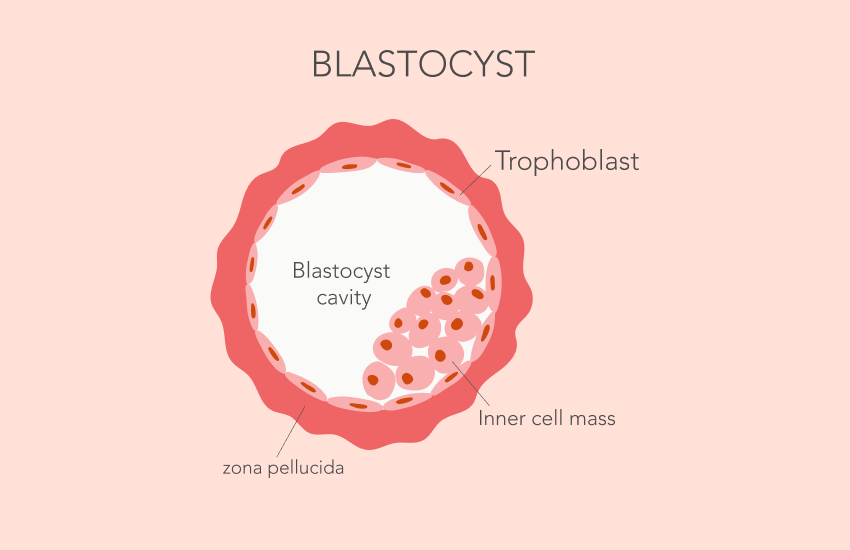
    Blastocysts are early-stage embryos that form after fertilisation. They develop from a zygote, which is a single cell resulting from the fusion of a sperm and an egg. A blastocyst has two distinct cell types and a central cavity filled with fluid. The outer cell layer, called the trophoblast, will eventually form the placenta, which is essential for nourishing the embryo throughout pregnancy. The inner cell mass (ICM) will develop into the foetus itself.

    Blastocyst Development Stages

    The development of a blastocyst occurs over a few key stages:

    1. Zygote (Day 1): This is the single-cell stage, immediately following the fertilisation of the egg by the sperm. The zygote contains genetic material from both parents.

    2. Cleavage stage (Days 2-3): The zygote begins to divide, forming a multicellular structure.

    3. Morula (Day 4): By the fourth day after fertilisation, the embryo becomes a solid ball of cells, known as a morula.

    4. Early blastocyst (Day 5): Around the fifth day, the morula transforms into a blastocyst. The cells of the outer layer (trophoblast) begin to form a sphere, while the inner cell mass clusters on one side of the blastocyst.

    5. Expanded blastocyst (Day 6): At this stage, the blastocyst becomes larger, and the cavity inside the blastocyst (blastocoel) expands, pushing the inner cell mass and trophoblast further apart. This prepares the blastocyst for the next phase of implantation in the uterine lining.

    6. Hatching blastocyst (Day 6-7): For implantation to occur, the blastocyst must break free from the zona pellucida, a protein membrane surrounding it. This is known as ‘hatching’. Once free, the blastocyst is ready to attach to the uterine wall and begin the process of implantation.

    Blastocyst Quality and Grading

    Not all blastocysts are created equal and embryologists assess blastocyst quality using a grading system. The grading is based on three criteria: the expansion of the blastocyst cavity, the appearance of the inner cell mass, and the quality of the trophoblast cells.

    The stages of blastocyst embryo development are divided into four grades, namely:

    Grade 1: The embryo with a blastocoel cavity less than 50% of the embryo volume.

    Grade 2: The embryo with a blastocoel cavity as much as 50% of the embryo volume or more.

    Grade 3: The blastocoel cavity has expanded, and the zona pellucida (ZP) appears thinner than the embryo at day 3.

    Grade 4: Embryo that has successfully hatched from ZP.

    Research has shown that higher-quality blastocysts (e.g., a 5AA blastocyst-where ‘5’ refers to day 5 of development, and ‘A’ grades are given for both the inner cell mass (ICM) and the trophectoderm (TE)) correlate with better reproductive outcomes, including higher live birth rates and lower miscarriage rates.

    Why the Blastocyst Stage is Important in IVF

    In natural conception, only a small percentage of embryos make it to the blastocyst stage and successfully implant in the uterus. There are several reasons why transferring a blastocyst during IVF is advantageous over transferring an earlier-stage embryo:

    1. Higher implantation rate: The embryo is more developed at the blastocyst stage, which means it is closer to the point of implantation. 

    2. Better embryo selection: By allowing embryos to develop to the blastocyst stage, embryologists can better assess their quality. 

    3. Synchronisation with the uterine environment: The blastocyst stage aligns more closely with the natural timing of implantation. In a natural cycle, embryos typically reach the uterus and implant around the fifth or sixth day after fertilisation.

    4. Single embryo transfer: Because of the higher implantation rates associated with blastocyst transfers, there is less need to transfer multiple embryos.

    What are the Challenges and Considerations here?

    While the blastocyst stage offers numerous benefits, there are challenges associated with blastocyst transfer. Not all embryos reach this stage, and some may exhibit chromosomal abnormalities that can lead to implantation failure or miscarriage.

    There is also a risk that no embryos will reach the blastocyst stage, leaving no viable embryos for transfer. Therefore, careful screening and grading of embryos are essential to optimise outcomes in IVF treatments.

    The blastocyst stage represents a pivotal moment in embryonic development, significantly increasing the success rate of IVF due to better embryo selection, genomic activation, and endometrial receptivity, thereby influencing fertility treatment outcomes. By allowing embryos to reach this advanced stage before transfer, fertility specialists can enhance the chances of successful implantation and healthy pregnancies.

    For those considering IVF, it is essential to consult with experienced professionals who can guide you through the process, ensuring that you receive personalised care tailored to your unique needs.

    Fyne IVF is dedicated to providing comprehensive support and advanced reproductive technologies to help you achieve your dream of parenthood.

    FAQs – Understanding Blastocysts in IVF

    1. What is a blastocyst in IVF?

    A blastocyst is an early-stage embryo that forms around five to six days after fertilization. It has two distinct cell types and a fluid-filled cavity and is more likely to implant successfully during IVF.

    2. Why is the blastocyst stage important in IVF treatment?

    Transferring a blastocyst increases the chances of implantation, allows for better embryo selection, and aligns more closely with the natural timing of implantation.

    3. What are the stages of blastocyst development?

    Blastocyst development progresses through several stages: zygote (Day 1), cleavage stage (Days 2–3), morula (Day 4), early blastocyst (Day 5), expanded blastocyst (Day 6), and hatching blastocyst (Days 6–7).

    4. How is blastocyst quality graded?

    Blastocysts are graded based on cavity expansion, the quality of the inner cell mass, and the appearance of the trophoblast. Higher-grade blastocysts are linked to better IVF outcomes.

    5. What are the benefits of transferring a blastocyst instead of a Day 3 embryo?

    Blastocyst transfer offers higher implantation rates, better embryo selection, and reduced need for multiple embryo transfers, thus minimizing the risk of multiple pregnancies.

    6. Are there any risks or challenges with blastocyst transfer?

    Yes. Not all embryos reach the blastocyst stage, and some may have chromosomal issues. In some cases, there may be no blastocysts suitable for transfer, requiring careful monitoring and planning.

  • Understanding the importance of sperm analysis and its role in fertility

    Understanding the importance of sperm analysis and its role in fertility

    Even though we think that the world around us is changing, you’ll be surprised to know how much it, in fact, has not.

    Whenever there is a couple struggling to conceive, the usual assumption is that the woman has a problem, but the reality is that male infertility is a factor in up to 40% of cases worldwide.

    So how do we figure it out?

    A sperm test, also known as semen analysis, is the primary method used to evaluate male fertility. In this comprehensive guide, we’ll unravel the importance of understanding normal sperm count and what it means for fertility.

    So Let’s Understand What is a Sperm?

    Sperms are male reproductive cells that carry genetic information and fertilise the eggs of the female. Semen is a fluid that is emitted from the male reproductive tract and contains sperm cells.

    A normal sperm count is considered to be between 15 million and 200 million sperm per millilitre of semen. Anything below 15 million sperm per millilitre is considered a low sperm count, or oligospermia.

    It’s important to note that a low sperm count doesn’t necessarily mean that a man is infertile. However, a higher sperm count does increase the chances of fertilisation.

    What Is Male Fertility Testing?

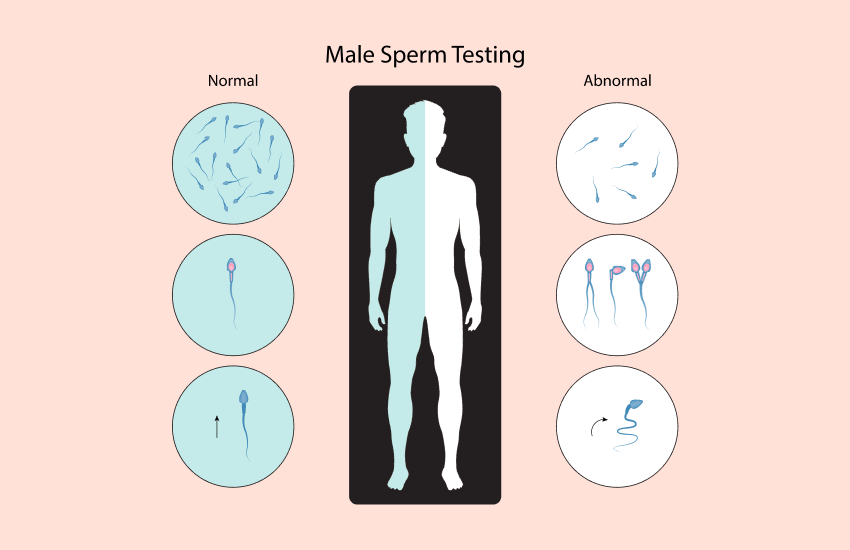
    A male fertility test involves the examination of semen to assess a man’s fertility potential. It helps determine the health and viability of sperm by evaluating several factors, including:

    • Sperm count: The number of sperm present in a given volume of semen.
    • Motility: The ability of sperm to move efficiently.
    • Morphology: The shape and structure of sperm.
    • Volume: The amount of semen produced during ejaculation.
    • pH level: The acidity or alkalinity of the semen.
    • Vitality: The percentage of live sperm cells in a sample.

    Semen analysis can help identify underlying fertility issues, allowing for appropriate treatment and interventions to improve the chances of conception.

    So Why Is a Semen Analysis Test Important?

    Sperm health is vital for conception. Here are several reasons why sperm testing is crucial:

    1. Identifying fertility issues early: One of the biggest advantages of sperm testing is the ability to detect fertility problems early on. Early identification allows for timely interventions, which can significantly improve the chances of successful conception.

    2. Informing treatment plans: If abnormalities are found during a sperm test, it enables fertility specialists to create personalised treatment plans.

    3. Evaluating the impact of lifestyle choices: Sperm testing can help identify how a variety of factors, including diet, smoking, alcohol consumption, and stress can impact fertility.

    What Does a Normal Sperm Count Mean for Fertility?

    1. Better chances of fertilisation: When a man has a normal or high sperm count, the chances of successful conception are much greater.

    2. Less reliance on Assisted Reproductive Technologies(ARTs): Couples with normal sperm counts and good sperm quality may have a higher chance of conceiving naturally.

    3. Healthier embryos: Poor sperm quality, on the other hand, can lead to chromosomal abnormalities in embryos, increasing the risk of miscarriage or unsuccessful implantation.

    Improving Sperm Count and Fertility

    1. Lifestyle changes: Quitting smoking, reducing alcohol consumption, maintaining a healthy weight, and reducing stress can all help improve sperm count and quality.

    2. Medications:
    In some cases, medications may be prescribed to address underlying hormonal imbalances or other medical conditions that affect fertility.

    3. Assisted reproductive technologies: If lifestyle changes and medications are not effective, couples may consider assisted reproductive technologies such as in vitro fertilization (IVF) or intrauterine insemination (IUI).

    A regular semen test can provide valuable insights into a man’s overall health, as a low sperm count may be an indicator of underlying medical conditions.

    Sperm testing is a crucial component of fertility evaluation for couples trying to conceive. If a low sperm count is detected, there are several treatment options available, ranging from lifestyle changes to assisted reproductive technologies.

    Fyne IVF offers fertility evaluation tests for men which can provide you with insights into male fertility profiles. By prioritising sperm testing and taking steps to maintain a healthy lifestyle, men can focus on their fertility and increase their chances of achieving parenthood dreams.

  • Polycystic Ovary Syndrome (PCOS) Awareness month

    Polycystic Ovary Syndrome (PCOS) Awareness month

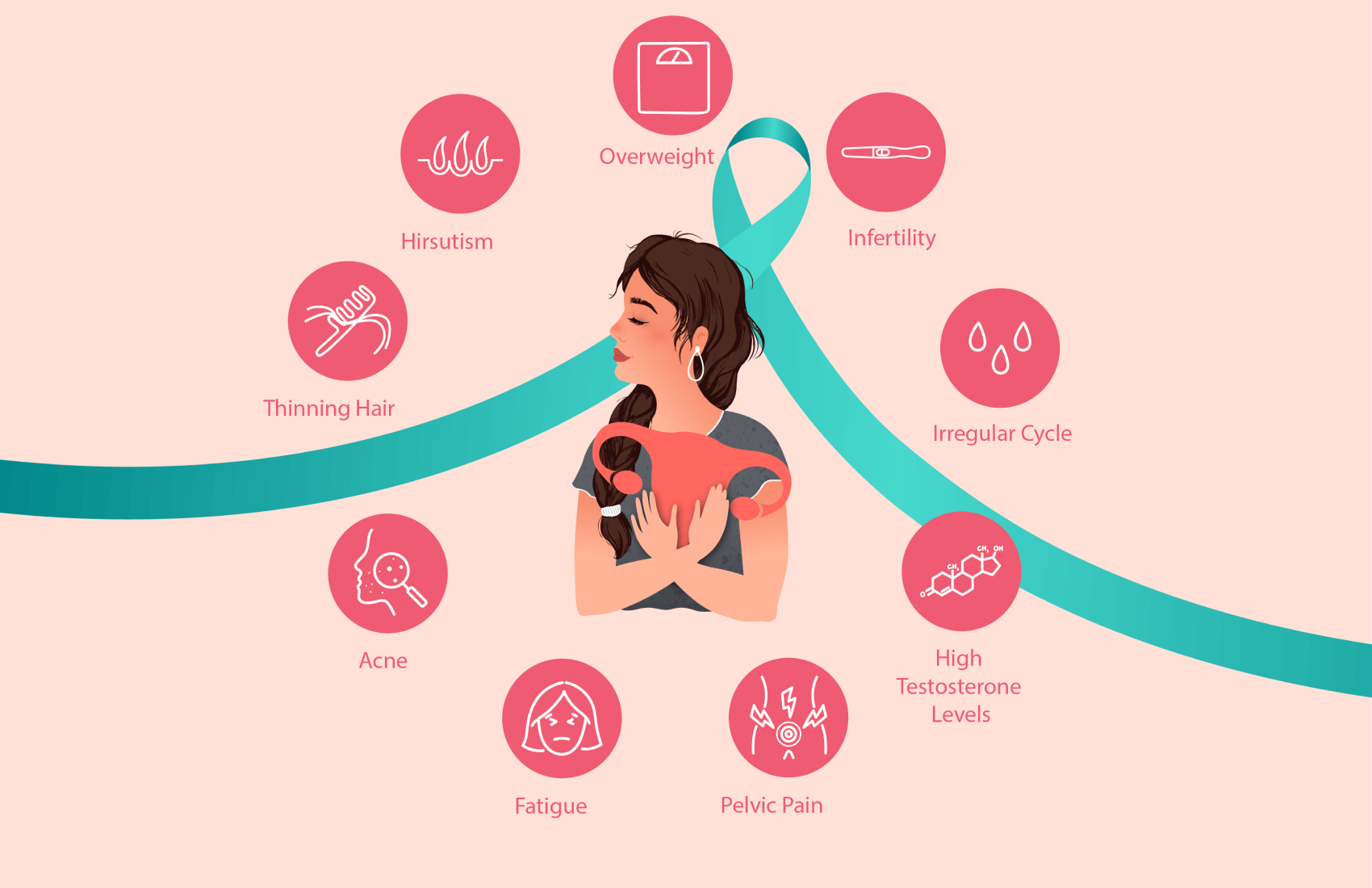
    September is Polycystic Ovary Syndrome (PCOS) Awareness Month, focused on educating about PCOS, promoting early diagnosis, and empowering individuals globally. The teal PCOS ribbon symbolizes solidarity and raises awareness.

    This blog highlights the importance of PCOS education, early diagnosis, personalized treatment, and Fyne IVF’s contributions to raising awareness.

    What is PCOS?

    Polycystic Ovary Syndrome (PCOS) is a common hormonal disorder among women of reproductive age. It is characterized by the presence of multiple small cysts on the ovaries.

    PCOS can cause hormonal imbalances, irregular periods, and excess androgen levels. Irregular periods, usually with a lack of ovulation, can make it difficult to become pregnant. PCOS is a leading cause of infertility.

    Symptoms of polycystic ovary syndrome can differ from person to person.

    Common symptoms can include:

    • heavy, long, intermittent, unpredictable or absent periods
    • infertility
    • acne or oily skin
    • excessive hair on the face or body
    • male-pattern baldness or hair thinning
    • weight gain, especially around the belly.

    The exact cause of PCOS is unknown. Factors that might play a role include:

    • Excess androgen: The ovaries produce abnormally high levels of androgen (male hormone), resulting in hirsutism (excessive facial hair) and acne.
    • Heredity: Research suggests that certain genes might be linked to PCOS.
    • Excess insulin: Body cells might produce more insulin, leading to weight gain.

    The Importance of Early Diagnosis

    Early diagnosis of PCOS is crucial to prevent long-term health complications. Untreated PCOS can lead to serious health issues, including:

    • Infertility: Difficulty conceiving is common in women with PCOS due to irregular ovulation.
    • Type 2 Diabetes: Women with PCOS are at higher risk of developing insulin resistance, which can lead to diabetes.
    • Heart disease: PCOS is associated with an increased risk of cardiovascular diseases.
    • Endometrial cancer: Irregular periods and lack of ovulation increase the risk of developing endometrial cancer.

    The Role of Healthcare Providers

    Healthcare providers play a critical role in health education for PCOS and diagnosing using the Rotterdam criteria, expression of PCOS to include any two out of the three key characteristics of PCOS: oligo-amenorrhea, hyperandrogenism, and polycystic-appearing ovarian morphology on ultrasonography.

    This criterion proves that around 4%–20% of women of reproductive age worldwide are affected by PCOS. Also, as per recent scientific publications, high levels of androgens are observed in 75–90% of PCOS patients with oligomenorrhea.

    Also Read : Understanding the Connection between PCOS and Fertility

    Managing PCOS: Treatment Options

    While PCOS cannot be cured, PCOS health education and treatment is essential and can be personalised to meet each woman’s unique needs, depending on the symptoms and severity.

    1. Medical Interventions

    • Hormonal contraceptives: Birth control pills can help regulate menstrual cycles and reduce symptoms such as acne and excessive hair growth.
    • Medications: Insulin-sensitizing drugs like Metformin are commonly prescribed to regulate hormone levels, reduce androgen production, and manage insulin resistance. Anti-androgens like Spironolactone can reduce hair growth and acne by blocking the effects of androgens.
    • Fertility treatments: For women trying to conceive, fertility medications or assisted reproductive technologies (ART), like in vitro fertilization (IVF), may be recommended.

     2. Lifestyle Changes

    • Diet: A balanced diet low in refined carbs and rich in fibre, can help manage weight and improve insulin sensitivity.
    • Exercise: Regular physical activity can aid in weight loss and reduce insulin resistance, improving overall health.
    • Stress management: Stress can exacerbate PCOS symptoms, so practising mindfulness, yoga, or meditation may help in managing stress levels.

    3. Alternative Therapies

    Some women may also explore alternative therapies after consulting with a healthcare provider, such as acupuncture, or holistic approaches to manage symptoms.

    Breaking the Stigma Around PCOS

    Despite its prevalence, PCOS is often surrounded by stigma and misconceptions. Many women feel embarrassed or ashamed to discuss their symptoms, leading to isolation and a lack of support.

    Addressing common misconceptions

    It is vital to challenge the myths surrounding PCOS, such as the belief that it is merely a cosmetic issue or that it only affects overweight women.

    Encouraging open conversations

    Encouraging women to share their experiences and seek help can foster a supportive community, ultimately improving mental health outcomes for those affected.

    Fyne IVF’s Role in PCOS Awareness Month

    Fyne IVF is actively contributing to polycystic ovarian syndrome awareness month by organizing seminars and webinars aimed at educating the public about PCOS. Upcoming events featuring Dr. Deepali Chinchole and Dr. Ananya Petkar on September 21, 2024, will provide valuable insights into managing PCOS and addressing common concerns.

    Additionally, Fyne IVF offers free consultations and support for women experiencing PCOS, emphasizing the importance of early detection and personalized treatment plans. Their commitment to raising awareness and providing resources is essential in the fight against PCOS.

    Conclusion

    International PCOS Awareness Month serves as a crucial reminder of the importance of understanding and addressing Polycystic Ovary Syndrome. By raising awareness of PCOS, we can encourage women to seek medical advice for their symptoms and promote early detection and management.

    Join Fyne IVF’s initiative for PCOS month to raise awareness and support women with PCOS. If you or someone you know is experiencing symptoms of PCOS, now is the time to seek medical advice and take control of your health.

    Together, we can break the stigma, foster open conversations, and improve the lives of those affected by this condition.

  • Simple Nutritional Habits to Transform Your Health

    Simple Nutritional Habits to Transform Your Health

    National Nutrition Week, celebrated annually in the first week of September, is an event that raises awareness about the importance of nutrition in our daily lives. Proper nutrition plays a critical role in maintaining overall health, preventing diseases and promoting longevity.

    It serves as a reminder how nutrients and fibre rich foods are important for maintaining good health.

    This blog aims to guide you through some simple nutritional tips that can transform your health and boost fertility, aligning with the theme of National Nutrition Week.

    Why Nutrition Matters?

    Nutrition is the foundation of good health. The food we consume provides us with the energy required to perform daily activities, helps strengthen our immune system, and supports every bodily function.

    There are a large number of micronutrients, such as minerals, and vitamins, as well as some macronutrients such as some amino acids, cholesterol and fatty acids that demonstrate a very important and specific impact on immune activity.

    A balanced diet helps regulate hormones, improve energy levels, and enhance immune function, all of which are crucial for maintaining fertility and overall vitality. During National Nutrition Week, the focus is on encouraging people to adopt healthy nutrition habits that promote both general well-being and reproductive health.

    A well-balanced diet provides the essential nutrients needed for our bodies to function optimally and reduce the risk of chronic diseases such as obesity, diabetes, and heart disease.

    How Nutrition Impacts Fertility?

    Fertility is deeply influenced by nutrition, with studies showing that a balanced diet can significantly boost both egg and sperm quality. A balanced diet rich in essential nutrients can improve hormonal balance, enhance egg and sperm quality, and support a healthy reproductive system.

    Consuming the right nutrients can regulate hormone levels, improve the function of reproductive organs, and even enhance the chances of conception.

    • Key nutrients for fertility:
      • Folic acid: This vitamin B is crucial for reproductive health, supporting egg quality and helping prevent birth defects during early pregnancy. It’s especially important for women trying to conceive.
      • Omega-3 fatty acids: Found in fish and walnuts, it promotes hormone regulation and improves blood flow to reproductive organs, enhancing fertility.
      • Antioxidants (Vitamin C, E): These nutrients protect reproductive cells (eggs and sperm) from oxidative damage, ensuring better fertility outcomes. They are found in foods like citrus fruits, almonds, and spinach.
      • Zinc and Iron: Foods like lean meat, pumpkin seeds, and legumes are rich sources of these minerals which are essential for ovulation and sperm health.

    Simple Nutritional Habits for a Healthier Life

    Adopting simple nutritional habits can significantly improve your overall health and fertility. Here are some tips to get started:

    1. Start Your Day Right with a Balanced Breakfast
      • A nutritious breakfast enhances your metabolism and provides the energy needed for the day.
      • Fertility-friendly options: Incorporate foods like oats, fruits, and yoghurt into your morning routine. These foods are rich in fibre, vitamins, and minerals that support reproductive health.
    2. Stay Hydrated Throughout the Day
      • Hydration is essential for digestion and reproductive health.
      • Tips for increasing water intake: Aim to drink at least eight glasses of water daily. Carry a reusable water bottle, or set reminders to drink water regularly.
    3. Incorporate More Whole Foods
      • Whole foods are unprocessed and nutrient-dense, making them an excellent choice for overall health and fertility.
      • Benefits of whole foods: Add more vegetables, fruits, and lean proteins to your diet. These foods provide essential nutrients that support bodily functions and reproductive health.
    4. Eat Mindfully and Control Portions
      • Mindful eating helps improve digestion and maintain hormonal balance.
      • Portion control tips: Use smaller plates, listen to your body’s hunger cues, and avoid distractions while eating to help maintain a healthy weight.
    5. Reduce Added Sugars and Unhealthy Fats
      • Excessive sugar and unhealthy fats can harm metabolism and hormonal health.
      • Fertility-friendly alternatives: Opt for healthy fats like avocados and nuts, and use natural sweeteners like honey or maple syrup in moderation.

    How Nutrition Contributes to Long-Term Health and Fertility?

    A consistent approach to healthy eating habits not only improves physical health but also optimises reproductive health over time. A nutrient-dense diet helps regulate hormones, supports egg and sperm quality, and maintains energy levels. These benefits extend beyond fertility-

    • Physical Health: A balanced diet supports weight management, reduces the risk of chronic diseases, and enhances energy levels.
    • Overall vitality: Proper nutrition benefits in the long run to maintain the vitality of the body organs.

    Fyne IVF’s Commitment to Holistic Health

    At Fyne IVF, we understand the importance of nutrition in fertility. Our nutritional counselling emphasises how individuals and couples can benefit with customised nutritional plans that will complement the fertility treatments. By promoting healthy nutritional habits, we aim to boost the chances of successful conception while improving overall health.

    Conclusion

    As we observe National Nutrition Week, it is important to remember that by making small, meaningful changes to our diets, we can improve our overall well-being and enhance our reproductive health.

    Incorporating simple nutrition tips such as eating a balanced breakfast, staying hydrated, consuming whole foods, practising mindful eating, and reducing added sugars can have a profound impact on both general and reproductive health.


  • Understanding Conception

    Understanding Conception

    Understanding conceptionis crucial for anyone looking to conceive. Natural conception is a complex process involving the brain, ovaries, and uterus, all working in harmony. Each month, these organs undergo a series of changes to prepare for a potential pregnancy. The brain sends signals to the ovaries to mature an egg, which is then released during ovulation. If conception occurs, the uterus is ready to support the developing embryo.

    This blog will explore the detailed processes and interactions that make conception possible, providing you with a comprehensive understanding of fertility.

    The Basics of Conception

    Natural conception is a finely-tuned process involving the brain, ovaries, and uterus. Each month, these organs interact in a cyclical manner to create the conditions necessary for pregnancy. The process begins in the brain, where the hypothalamus and pituitary gland release hormones that signal the ovaries to prepare an egg for ovulation. This phase is known as the follicular phase. During this time, the ovaries respond by maturing an egg inside a follicle.

    As the egg matures, it releases hormones that signal the uterus to prepare a lining called the endometrium. This lining is crucial as it provides the environment needed for a fertilised egg to implant and grow. Around the middle of the menstrual cycle, typically day 14 in a 28-day cycle, the mature egg is released from the ovary in a process called ovulation. The egg then travels down the fallopian tube towards the uterus.

    This cyclical interaction between the brain, ovaries, and uterus is essential for natural conception. Each month, these organs coordinate to ensure that an egg is released and the uterus is ready to support a potential pregnancy.

    The Menstrual Cycle and Ovulation

    The menstrual cycle prepares a woman’s body for pregnancy and has several phases. The follicular phase begins on the first day of menstruation. During this phase, the brain releases hormones that signal the ovaries to develop follicles, each containing an egg. Typically, one follicle matures and releases oestrogen, which prepares the uterus.

    Around day 14, ovulation occurs. A surge in luteinising hormone (LH) triggers the release of the mature egg from the ovary. The egg is then captured by the fimbriae of the fallopian tube, ready for potential fertilisation.

    Also Read :  How To Increase Ovulation Naturally

    The Journey of the Egg

    After ovulation, the released egg begins its journey from the ovary through the fallopian tube towards the uterus. This journey is crucial for fertilisation and implantation. The egg is first captured by the fimbriae, finger-like projections at the end of the fallopian tube. These projections guide the egg into the tube. Once inside, the epithelial lining of the fallopian tube, equipped with tiny hair-like structures called cilia, gently moves the egg towards the site of fertilisation.

    This coordinated movement ensures the egg reaches the optimal location where it can meet the sperm for fertilisation. The egg’s journey through the fallopian tube is essential for a successful conception.

    Fertilisation and Implantation

    During sexual intercourse, sperm are released into the vagina and begin their journey towards the fallopian tubes. They swim through the cervix and uterus, guided by the female reproductive tract’s environment. Fertilisation occurs in the fallopian tubes. Here, one sperm penetrates the egg, resulting in a fertilised egg, or embryo. This embryo then starts its journey to the uterus.

    The fallopian tube’s cilia help move the embryo towards the uterus. Once in the uterus, the embryo implants itself into the thickened endometrial lining, beginning the process of pregnancy. Successful implantation is critical for the embryo’s growth and development.

    Critical Factors for Successful Conception

    Successful conception depends on several critical factors. Firstly, a maturing egg must be released each cycle. Without an egg, fertilisation cannot occur. Open and functional fallopian tubes are essential for transporting the egg to the site of fertilisation and moving the fertilised embryo to the uterus. Any blockage or dysfunction can hinder this process.

    Sperm health is also crucial. Sufficient quantity and good motility increase the chances of sperm reaching and fertilising the egg. Finally, the uterus must be prepared to nurture the embryo. A healthy endometrial lining is vital for the embryo to implant and develop, ensuring a successful pregnancy.

    Personalising Your Fertility Journey

    Understanding your body and reproductive health is key. Here are some tips:

    1. Track Your Cycle: Identify your fertile window, typically around day 14 of a 28-day cycle.
    2. Healthy Lifestyle: Eat a balanced diet, exercise regularly, and get enough sleep. Avoid smoking and excessive alcohol.
    3. Regular Check-ups: Visit your healthcare provider to monitor reproductive health and address any issues early.
    4. Frequent Intercourse: Engage in regular, unprotected sex during your fertile window.
    5. Stay Informed: Educate yourself about fertility to make informed decisions and reduce stress.

    These steps can enhance your fertility journey.

    Conclusion

    Understanding fertility is a crucial step towards achieving a successful pregnancy. By knowing how your body works and taking proactive steps to maintain reproductive health, you can enhance your chances of conception. Remember, each journey is unique, and it’s important to stay informed and seek support when needed.

    We encourage you to stay positive and persistent on your fertility journey. For more information, support, and expert guidance, subscribe to Fyne IVF. Let us help you nurture hope and create families through our comprehensive fertility solutions.

  • Everything You Need to Know About Tubal Blockages and IVF

    Everything You Need to Know About Tubal Blockages and IVF

    Have you been trying to conceive without success, feeling the weight of each passing month? You’re not alone, and understanding the underlying causes can be the first step toward a solution. One potential issue might be blocked fallopian tubes—a common but often undiscussed barrier to natural conception. Let’s explore how fallopian tubes work, what causes them to become blocked, and the steps you can take to achieve your dream of parenthood.

    The Role of Fallopian Tubes in Fertility

    Fallopian tubes are essential players in the journey to conception. Each month, during ovulation, an egg is released from the ovary into the nearest fallopian tube. This is where fertilization occurs if sperm are present. The fertilized egg then travels through the tube to the uterus, where it implants and grows into a pregnancy. Open and functional fallopian tubes are thus crucial for natural conception. Any blockage or damage can prevent the egg and sperm from meeting, creating a significant hurdle in the fertility journey.

    Common Causes of Blocked Fallopian Tubes

    Several factors can lead to blocked fallopian tubes, affecting their ability to facilitate conception:

    • Infections and PID

      Sexually transmitted infections like gonorrhea and chlamydia are common culprits. If untreated, these infections can lead to pelvic inflammatory disease (PID), causing inflammation and scarring that block the fallopian tubes. This scarring disrupts the smooth passage of the egg and sperm, making natural conception difficult.

    • Past Surgeries

      Surgeries related to the reproductive organs, such as those for endometriosis or uterine fibroids, can inadvertently damage the fallopian tubes. Scar tissue from these surgeries can block or narrow the tubes, impacting their function.

    • Endometriosis

      Endometriosis occurs when tissue similar to the lining inside the uterus grows outside it, including on the fallopian tubes. This can cause blockages or adhesions that hinder the egg’s journey to the uterus. It’s a common condition that can severely impact fertility.

    • Ectopic Pregnancy

      An ectopic pregnancy, where a fertilized egg implants outside the uterus, often in a fallopian tube, can cause significant damage to the tube. This damage can lead to scarring and blockages, preventing future pregnancies from occurring naturally.

    • Tubal Ligation

      Tubal ligation is a surgical procedure for permanent contraception, involving the cutting or sealing of the fallopian tubes. While it is intended to be permanent, some women may seek reversal, which isn’t always successful and can leave the tubes partially or fully blocked.

    Read more: Understanding the Root Causes of Infertility

    Symptoms and Diagnosis

    Interestingly, many women with blocked fallopian tubes experience no symptoms, making the condition difficult to identify without medical intervention. Diagnosis often involves several procedures:

    • Hysterosalpingography (HSG)

      HSG is an X-ray procedure where a dye is injected into the uterus and fallopian tubes. This dye helps to visualize blockages, providing a clear picture of whether the tubes are open or blocked.

    • Sonohysterography

      This procedure involves injecting saline into the uterus and using ultrasound to detect abnormalities. It’s less invasive and provides valuable information about the condition of the fallopian tubes.

    • Laparoscopy

      A laparoscopic procedure involves inserting a small camera through an incision in the abdomen to directly visualize the fallopian tubes and surrounding organs. It’s highly effective for diagnosing and sometimes treating blockages.

    • Hysteroscopy

      Hysteroscopy involves examining the inside of the uterus and the openings of the fallopian tubes using a thin, lighted tube. It’s useful for detecting and addressing abnormalities within the uterus that might affect the fallopian tubes.

    Treatment Options

    Treatment for blocked fallopian tubes depends on the severity and location of the blockage. Several strategies are available:

    • Tubal Cannulation

      This minimally invasive procedure involves inserting a catheter through the cervix into the fallopian tubes to clear blockages. It’s often successful for proximal blockages near the uterus.

    • Salpingectomy

      In cases where the fallopian tubes are severely damaged, a salpingectomy, or removal of the tubes, may be recommended. This can be a precursor to IVF, ensuring no ectopic pregnancies occur.

    • In Vitro Fertilization (IVF)

      IVF bypasses the fallopian tubes entirely. Eggs are retrieved from the ovaries and fertilized in a laboratory, with the resulting embryos implanted directly into the uterus. IVF is a common and effective treatment for those with blocked fallopian tubes.

    Moving Forward with Treatment

    If you suspect you have blocked fallopian tubes, seeking a fertility evaluation with a specialist is crucial. Personalized treatment plans based on individual fertility assessments can make a significant difference. Each woman’s situation is unique, and working closely with a specialist ensures the most effective treatment approach.

    Conclusion

    While blocked fallopian tubes present a significant hurdle, they do not mark the end of the road for aspiring parents. With modern medical advancements and personalized treatment plans, many women overcome this challenge and achieve successful pregnancies. Explore all available options, maintain hope, and take proactive steps toward your dream of parenthood with Fyne IVF.

    Blocked fallopian tubes are just one of many hurdles on the path to parenthood, but with the right support and treatment, you can find your way forward. Stay hopeful and informed, and remember, you are not alone on this journey.

  • Understanding Fertility Evaluation

    Understanding Fertility Evaluation

    Embarking on the journey to parenthood can be both exciting and daunting. For some, the path is straightforward, but for others, it may come with unexpected challenges. One of the critical steps in understanding and overcoming these challenges is a thorough fertility evaluation. This process can offer invaluable insights into your reproductive health and help pave the way to successful conception.

    In this blog, we’ll guide you through the essential steps, tests, and next moves involved in a fertility evaluation, helping you take informed and proactive steps towards your dream of starting or growing your family.

    When to Consider a Fertility Evaluation

    Knowing when to consider a fertility evaluation is crucial. Generally, couples under the age of 35 should seek evaluation after one year of trying to conceive without success. However, for those over 35, it’s recommended to consult a specialist after six months of unsuccessful attempts. Early evaluation is particularly important for individuals over 35 due to the natural decline in fertility with age. Additionally, those with a history of irregular menstrual cycles, previous reproductive issues, or known medical conditions affecting fertility should seek evaluation sooner.

    The Initial Steps in Fertility Evaluation

    The fertility evaluation process typically begins with what is known as “The Work Up.” This involves a detailed review of both partners’ medical histories and basic physical examinations. For women, this includes understanding their menstrual cycles, as regular cycles often indicate regular ovulation. Menstrual cycle tracking can provide valuable information about fertility health and timing.

    For men, the initial evaluation focuses on general health, lifestyle factors, and any previous medical issues that might affect fertility. Both partners’ medical histories help identify any underlying conditions that could contribute to infertility.

    Advanced Diagnostic Tests

    • Pelvic Ultrasound

      A pelvic ultrasound is a key diagnostic tool in fertility evaluations for women. This non-invasive procedure uses sound waves to create images of the reproductive organs. It helps identify the condition of the uterus, ovaries, and any potential abnormalities such as polyps, fibroids, or ovarian cysts. By assessing the health and structure of these organs, doctors can better understand any physical impediments to conception.

    • Hormone Assays

      Hormone assays are critical in assessing ovarian reserve and overall reproductive health. Tests such as Follicle Stimulating Hormone (FSH), Luteinizing Hormone (LH), Anti-Mullerian Hormone (AMH), and prolactin levels provide insight into the functioning of the ovaries and the body’s ability to produce viable eggs. Elevated or abnormal hormone levels can indicate issues such as diminished ovarian reserve or hormonal imbalances that may hinder conception.

    Assessing Ovulation

    Ovulation assessment is another vital component of fertility evaluations. This involves monitoring the development and release of eggs from the ovaries. Follicular monitoring studies, often conducted via ultrasound, track the growth and maturation of ovarian follicles. These studies help ensure that ovulation is occurring at the optimal time for conception. By pinpointing the precise moment of ovulation, couples can better time intercourse or intrauterine insemination (IUI) for increased chances of success.

    Fallopian Tube Assessment

    Evaluating the fallopian tubes is crucial for identifying potential blockages or structural issues that could impede the egg’s journey to the uterus. Hysterosalpingography (HSG) is a common test used for this purpose. It involves injecting a contrast dye into the uterus and fallopian tubes and taking X-ray images to observe the flow of the dye. Blockages or abnormalities in the tubes can prevent sperm from reaching the egg, making this assessment essential for diagnosing certain types of infertility.

    Male Fertility Evaluation

    Male fertility evaluation primarily involves semen analysis, a non-invasive test that measures various aspects of sperm health. This includes sperm count, motility (movement), morphology (shape), and the presence of anti-sperm antibodies. These factors are crucial for understanding male fertility potential and identifying any issues that might require treatment. Semen analysis provides a comprehensive overview of male reproductive health and helps determine the best course of action for achieving conception.

    Next Steps After Initial Tests

    After completing the initial tests, the next step is a follow-up consultation with a fertility specialist. During this consultation, the specialist will review the test results and discuss potential next steps. Additional tests such as diagnostic laparoscopy, hysteroscopy, detailed hormonal assays, or genetic tests may be recommended based on the initial findings. These further evaluations help provide a clearer picture of any underlying issues and guide the development of a personalized treatment plan.

    Also Read: Step-by-Step IVF Journey

    Conclusion

    A thorough fertility evaluation is a critical first step in understanding and addressing potential barriers to conception. By undergoing these evaluations, both men and women can gain valuable insights into their reproductive health and take proactive steps towards improving their chances of conception.

    At Fyne IVF, we are dedicated to supporting you on this journey with comprehensive evaluations and personalized care. Our team of specialists is here to guide you through every step, ensuring you have the best possible chance of achieving your dream of parenthood. Together, we can navigate this journey towards successful conception and a healthy pregnancy.

  • Root Causes of Infertility on the Path to Parenthood

    Root Causes of Infertility on the Path to Parenthood

    Infertility is a significant challenge that affects millions of individuals and couples globally. Understanding the various causes of infertility is crucial for those trying to conceive. This blog explores the multifaceted factors contributing to infertility in both men and women. By shedding light on these issues, we aim to provide clarity and support for those on their journey to parenthood.

    Overview of Infertility

    Infertility is defined as the inability to conceive after one year of regular, unprotected intercourse. It is a common issue, affecting approximately 10-15% of couples worldwide. The causes of infertility are diverse, impacting both men and women equally.

    Infertility can be categorised into four main groups. About 30% of cases are attributed to male-related issues, such as problems with sperm production or delivery. Another 30% are due to female-related issues, including ovulation disorders and blockages in the Fallopian tubes. Mixed causes, where both partners have fertility problems, account for 20% of cases. The remaining 20% are unexplained, where no specific cause can be identified despite thorough testing. Understanding these categories is essential for anyone facing difficulties in conceiving, as it helps in identifying the right path towards treatment and support.

    Also Read: Understanding Fertility evaluation

    Female Infertility

    Hormonal imbalances can significantly impact ovulation and egg quality. Conditions such as polycystic ovary syndrome (PCOS) can disrupt regular ovulation, leading to difficulties in conceiving. Lifestyle factors, including stress, obesity, and thyroid issues, further influence ovarian function. Addressing these factors through medical advice and lifestyle changes can help improve fertility.

    Read more: Connection between PCOS and Fertility

    The Fallopian tubes are essential for fertility, facilitating the meeting of sperm and egg. Tubal issues, such as tubal blockages from infections or conditions like endometriosis, can hinder this process. Diagnostic methods like hysterosalpingography (HSG) are used to assess tubal health and identify any blockages or abnormalities that may impact fertility.

    Cervical and uterine conditions also contribute to infertility. Cervical issues, such as abnormal mucus or growths, can prevent sperm from reaching the egg, while uterine abnormalities like fibroids and polyps can interfere with implantation. Endometriosis, where tissue similar to the uterine lining grows outside the uterus, can also affect fertility. Diagnostic tests like postcoital tests, cultures, and hysteroscopy are utilised to identify these issues. Addressing these conditions is crucial for improving the chances of a successful pregnancy.

    Male Infertility

    Hormonal imbalances can significantly impact sperm production, leading to male infertility. Conditions affecting the hypothalamus or pituitary gland can disrupt hormone regulation, resulting in reduced sperm count or poor sperm quality. Addressing these hormonal issues through medical intervention can help restore normal sperm production.

    Genetic conditions, such as Klinefelter syndrome, and acquired factors like infections or injuries, can lead to testicular infertility. These issues can cause abnormalities in the testes, affecting their ability to produce healthy sperm. Additionally, problems in the seminal ducts, which transport sperm, can impede sperm delivery due to blockages or trauma. Surgical or medical interventions are often required to address these issues.

    Sperm disorders are a primary cause of male infertility, affecting sperm count, motility, and morphology. Common issues include low sperm count, poor sperm motility, and abnormal sperm shapes. A semen analysis is essential for diagnosing these disorders and determining appropriate treatment. By understanding and addressing these factors, men can significantly improve their chances of conception.

    Mixed Infertility

    Mixed infertility occurs when both partners face fertility issues, making conception more challenging. It is crucial for both individuals to undergo comprehensive testing to identify and address their specific problems. Treatment plans often need to be coordinated to tackle both sets of issues simultaneously, increasing the chances of successful conception.

    One aspect of mixed infertility is immunological incompatibility, where the woman’s immune system mistakenly identifies the man’s sperm as a foreign threat and attacks it. This can prevent the sperm from fertilising the egg, even if both partners are otherwise healthy. Medical interventions, such as immunotherapy, can help manage this condition and improve the likelihood of conception.

    Understanding and addressing mixed infertility requires a collaborative approach between both partners and healthcare professionals. By identifying and treating each partner’s unique fertility issues, couples can enhance their chances of achieving a successful pregnancy.

    Unexplained Infertility

    Unexplained infertility occurs when tests fail to identify a clear cause for a couple’s inability to conceive, affecting about 20% of cases. This diagnosis can be frustrating and emotionally challenging, leaving couples feeling confused and helpless. The lack of a definitive cause complicates treatment decisions, adding to stress and anxiety. Support from mental health professionals, support groups, and open communication between partners is essential. Despite the uncertainty, many couples achieve successful pregnancies with persistence and appropriate fertility treatments, offering hope on this challenging journey.

    Navigating Infertility Treatment

    Infertility treatments vary based on specific diagnoses, including medications to stimulate ovulation, surgical interventions, and assisted reproductive technologies like IVF and IUI. Personalised treatment plans are essential, as fertility specialists tailor strategies to each couple’s unique challenges. Expert guidance ensures accurate treatment administration and prompt management of any complications, optimising the chances of conception and providing essential support on the journey to parenthood.

    Conclusion

    Dealing with infertility can be an emotionally challenging journey, but it’s important to remember that you are not alone. Many couples face similar struggles and with the right support and resources, the dream of parenthood can become a reality. Stay hopeful and resilient, as advancements in fertility treatments continue to improve outcomes for many.

    At Fyne IVF, we are committed to nurturing hope and creating families through expert fertility solutions. Our comprehensive services, including fertility evaluations, specialised treatments, and personalised counselling, are designed to support you every step of the way. With a success rate of 75-82%, cutting-edge technologies, and a compassionate support community, we are dedicated to making parenthood possible for you. Our team is here to provide the guidance and care you need on your journey to becoming parents.


  • Understanding the IVF Journey Step by Step

    Understanding the IVF Journey Step by Step

    Are you considering IVF treatment or just curious about how it works? Understanding the IVF journey can feel overwhelming, but it’s essential to know what to expect.

    IVF, or in vitro fertilisation, is a process that involves several carefully managed steps, each designed to optimise your chances of conception. The journey begins with understanding how your body naturally recruits and selects eggs and then moves through various stages such as down regulation, ovarian stimulation, egg retrieval, fertilisation, and embryo transfer.

    In this blog, we will walk you through each stage of the IVF journey, from the initial egg recruitment to the crucial two-week wait after embryo transfer. Our goal is to provide you with a clear and concise overview, explaining each step in a way that is easy to understand. By the end, you’ll have a better grasp of what IVF entails and what you can expect during this transformative process.

    The Natural Egg Recruitment Process

    In a natural menstrual cycle, your body produces 15-20 eggs each month, but only one egg is selected to mature and be released during ovulation. With IVF, the aim is to conserve all these matured eggs to increase the chances of conception. This involves stimulating your ovaries so that multiple eggs mature at once, which are then collected and fertilised with your partner’s sperm in a lab. This process maximises the number of eggs available for fertilisation, significantly enhancing the chances of a successful pregnancy.

    Down Regulation

    Down regulation is the first step in the IVF process and involves temporarily suppressing your natural menstrual cycle. This is achieved using medications called GnRH agonists or antagonists, which help to ‘quieten’ the ovaries. This step usually starts in the luteal phase of your menstrual cycle. The purpose of down regulation is to prevent the premature release of eggs and to control the timing of ovulation, allowing for better management of the subsequent stages of IVF.

    Ovarian Stimulation

    Once down regulation is achieved, the next step is ovarian stimulation. This involves taking fertility medications, typically follicle-stimulating hormone (FSH) and luteinising hormone (LH), to encourage your ovaries to produce multiple eggs. Throughout this process, your response to the medications is closely monitored with blood tests and ultrasound scans to track the growth and development of the follicles. When the follicles have reached the appropriate size, a trigger shot of human chorionic gonadotropin (hCG) is administered to induce the final maturation of the eggs, preparing them for retrieval.

    Egg Retrieval

    Once your eggs have matured, the next step is egg retrieval, a minor surgical procedure. This is typically performed under sedation or anaesthesia to ensure your comfort. Using ultrasound guidance, a thin needle is inserted through the vaginal wall into each ovary to aspirate the fluid and eggs from the follicles. After the procedure, you will be monitored for a short period to ensure there are no immediate complications. Simultaneously, your partner will provide a semen sample, which will be processed to isolate healthy sperm for fertilisation.

    Fertilisation Process

    After the eggs and sperm are collected, the fertilisation process begins. This can be done using the traditional method, where eggs and sperm are placed together in a dish to allow natural fertilisation, or via Intracytoplasmic Sperm Injection (ICSI), where a single sperm is directly injected into each egg. Once fertilised, the embryos are monitored for a few days to track their development. The best-quality embryos are then selected for transfer into the uterus, or they can be frozen for future use, depending on your treatment plan.

    Embryo Transfer

    The embryo transfer is a quick and relatively painless procedure. Using a thin catheter, the fertility specialist will carefully transfer the selected embryos into your uterus through the cervix, often guided by ultrasound to ensure precise placement. After the transfer, you’ll be advised to rest for a short period. It’s important to follow all medication instructions provided by your doctor to support the embryo implantation and maintain a healthy environment for potential pregnancy. Avoid strenuous activities and follow your specialist’s advice closely during this crucial time.

    The Two-Week Wait

    After the embryo transfer, you enter the two-week wait, the period between the transfer and the pregnancy test. This time can feel long and stressful, as you wait to find out if the transfer was successful. About 10-14 days after the transfer, you will take a pregnancy test to detect the hormone hCG, which indicates pregnancy. During this waiting period, it’s crucial to focus on self-care: rest, maintain a positive outlook, and seek support from your healthcare team and loved ones. Following your doctor’s instructions and avoiding strenuous activities will help create the best environment for a potential pregnancy.

    Conclusion

    Navigating the IVF journey can be complex and emotionally challenging, but you don’t have to go through it alone. Consulting with fertility specialists can provide you with the personalised care and support you need. At Fyne IVF, we are dedicated to helping families through expert fertility solutions. We understand the intricacies of the IVF process and are committed to guiding you every step of the way. Our team of experienced professionals will ensure you receive the highest standard of care, from your initial consultation through to the two-week wait and beyond.

    We offer a comprehensive range of services, including fertility evaluation, various treatment options, fertility preservation, special treatments, and counselling. Our goal is to make the IVF journey as smooth and stress-free as possible for you. We aim  to assist you in making your dream of parenthood a reality.