


Expert Care for
Every Woman, Every Stage.

Gynac & Fertility Consultation for All Female Health Concerns.

Irregular Periods
Hormonal Imbalance
PCOS / PCOD
Preconception Care
Personalized Care
Compassionate Experts
Trusted Support
FYNE IVF FYNE IVF
CONSULTATION FREE EVERY WEDNESDAY

Tag: hidden fertility issues

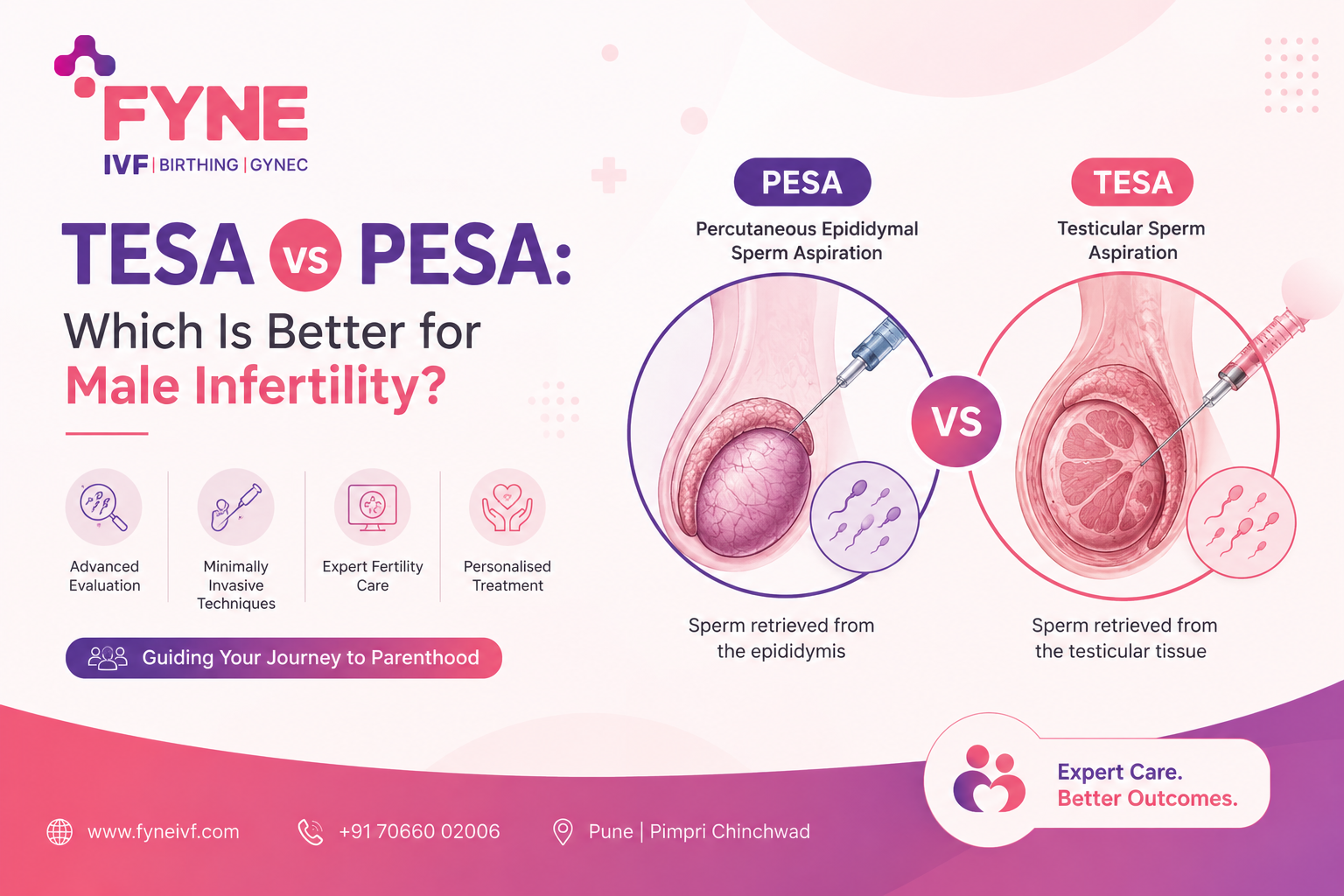
  • TESA vs PESA: Which Is Better for Male Infertility?

    TESA vs PESA: Which Is Better for Male Infertility?

    Male infertility can affect a couple’s ability to conceive naturally, and in many cases, sperm retrieval techniques play an important role in assisted reproductive treatment. Two commonly used procedures are TESA and PESA, both designed to retrieve sperm directly when ejaculation does not provide usable sperm for fertilisation.

    Understanding the difference between TESA and PESA can help couples make informed decisions during fertility treatment. Although both procedures aim to retrieve sperm for IVF or ICSI, they differ in technique, purpose, and suitability depending on the underlying condition.

    Understanding Male Infertility and Sperm Retrieval

    Male infertility may occur due to:

    • Low sperm count
    • Absence of sperm in semen (azoospermia)
    • Blockages in the reproductive tract
    • Testicular dysfunction

    In such situations, sperm retrieval procedures may help obtain viable sperm directly from the reproductive system.

    TESA and PESA are minimally invasive methods commonly used along with IVF and ICSI treatment.

    What Is PESA

    PESA stands for Percutaneous Epididymal Sperm Aspiration.

    In this procedure:

    • A fine needle is inserted into the epididymis
    • Sperm is aspirated directly from the fluid filled tubes behind the testicles

    PESA is generally recommended for men with obstructive azoospermia, where sperm production is normal but a blockage prevents sperm release.

    What Is TESA

    TESA stands for Testicular Sperm Aspiration.

    In this technique:

    • A needle is inserted directly into the testicular tissue
    • Sperm is retrieved from the testes themselves

    TESA may be recommended when sperm cannot be obtained through PESA or when sperm production is reduced.

    Difference Between TESA and PESA

    FactorPESA (Percutaneous Epididymal Sperm Aspiration)TESA (Testicular Sperm Aspiration)
    Site of Sperm RetrievalSperm is retrieved from the epididymis, the coiled tube located behind the testicle where sperm matures and is stored.Sperm is retrieved directly from the testicular tissue using a fine needle aspiration technique.
    Best Suited ForCommonly recommended for men with obstructive azoospermia, where sperm production is normal but blocked from reaching the semen.Usually recommended for men with non obstructive azoospermia or significantly reduced sperm production.
    Procedure ComplexityConsidered a simpler and less invasive procedure with relatively quick sperm retrieval.Slightly more invasive as it involves aspiration from the testicular tissue itself.
    Type of Sperm RetrievedOften retrieves mature sperm that has already passed through the natural maturation process.May retrieve immature or fewer sperm cells depending on testicular sperm production.
    Use in Fertility TreatmentFrequently used in IVF with ICSI when sperm blockage is the primary issue.Often used when sperm cannot be obtained through ejaculation or epididymal aspiration.
    Recovery TimeRecovery is usually quick with mild discomfort or swelling for a short duration.Recovery may take slightly longer due to deeper tissue aspiration, though discomfort is generally manageable.
    Success Depends OnSuccess largely depends on the presence and location of the blockage.Success depends on the level of sperm production within the testes.

    Which Procedure Is Better

    There is no single procedure that is universally better. The choice depends on:

    • Cause of male infertility
    • Sperm production levels
    • Presence of reproductive tract blockage
    • Previous fertility treatment history

    Are TESA and PESA Painful

    Both procedures are minimally invasive and usually performed under local anaesthesia or mild sedation.

    Most patients experience:

    • Mild discomfort
    • Temporary swelling
    • Minor soreness for a short duration

    Recovery is generally quick.

    Success Rates of TESA and PESA

    Success depends on:

    • Underlying fertility condition
    • Sperm quality
    • Female partner’s reproductive health
    • IVF or ICSI outcomes

    In many cases, retrieved sperm can be successfully used for fertilisation through ICSI.

    Recovery After TESA or PESA

    Most individuals recover within a few days.

    Doctors may recommend:

    • Avoiding strenuous activity temporarily
    • Wearing supportive undergarments
    • Taking prescribed medications if needed

    Any severe pain or swelling should be reported immediately.

    When Are TESA or PESA Recommended

    Your fertility specialist may suggest these procedures if:

    • No sperm is present in semen analysis
    • Previous vasectomy blocks sperm release
    • Ejaculation difficulties prevent sperm collection
    • IVF with ICSI is planned

    Understanding Male Fertility Treatment with Confidence

    Understanding the difference between TESA and PESA can help couples feel more informed and prepared during fertility treatment. Both procedures offer effective sperm retrieval options and have helped many couples move forward successfully with assisted reproduction.

    At Fyne IVF, our fertility specialists provide advanced evaluation and personalised treatment plans for male infertility conditions. From diagnosis to sperm retrieval and IVF support, every step is carefully planned to improve treatment outcomes and support your parenthood journey.

    Book your consultation today and take the next step towards informed and personalised fertility care.

    FAQs

    1. What is the main difference between TESA and PESA?

    PESA retrieves sperm from the epididymis, while TESA retrieves sperm directly from the testicular tissue.

    2. Which is less invasive, TESA or PESA?

    PESA is generally considered less invasive compared to TESA.

    3. Are TESA and PESA used with IVF?

    Yes, both procedures are commonly used along with IVF and ICSI treatment.

    4. How long is recovery after TESA or PESA?

    Most patients recover within a few days with minimal discomfort.

    5. Can sperm retrieved through TESA or PESA lead to pregnancy?

    Yes, retrieved sperm can be successfully used in fertility treatments such as ICSI to achieve pregnancy.
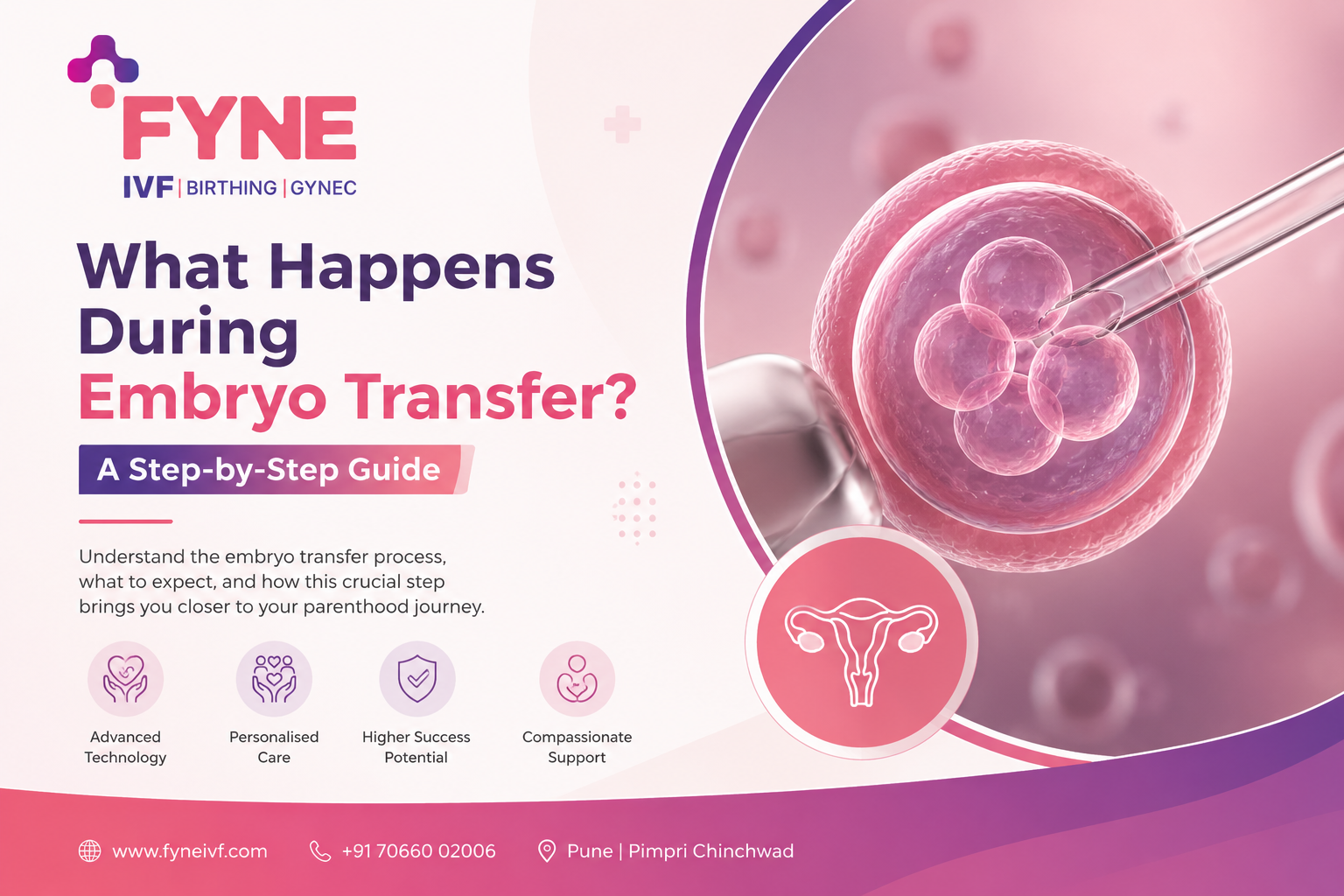

  • What Happens During Embryo Transfer? A Step-by-Step Guide

    What Happens During Embryo Transfer? A Step-by-Step Guide

    Embryo transfer is one of the most important stages of the IVF journey. After days of monitoring fertilisation and embryo development in the laboratory, the selected embryo is carefully placed into the uterus with the goal of achieving a successful pregnancy.

    For many couples, this stage can bring a mix of excitement, nervousness, and anticipation. Understanding what happens during embryo transfer can help reduce anxiety and make the process feel more comfortable and reassuring.

    Although embryo transfer is a relatively quick and minimally invasive procedure, every step is carefully planned to improve the chances of implantation and pregnancy success.

    Understanding  Embryo Transfer

    Embryo transfer is the process of placing a fertilised embryo into the uterus during an IVF cycle. The procedure is usually performed a few days after egg retrieval and fertilisation.

    Depending on embryo development, transfer may happen:

    • On Day 3 (cleavage stage embryo)
    • On Day 5 or 6 (blastocyst stage embryo)

    Most fertility specialists prefer transferring a healthy blastocyst because it generally has a higher implantation potential.

    Preparing for Embryo Transfer

    Before the transfer procedure, the uterus is prepared to support implantation.

    This preparation may involve:

    • Hormonal medications to thicken the uterine lining
    • Ultrasound monitoring
    • Blood tests to check hormone levels

    A healthy endometrial lining is important for successful implantation.

    Patients are usually advised to:

    • Stay hydrated
    • Avoid unnecessary stress
    • Follow medication schedules carefully

    Step-by-Step: What Happens During Embryo Transfer

    1. Embryo Selection

    Before the procedure, embryologists carefully evaluate embryo quality.

    They assess:

    • Cell division pattern
    • Symmetry
    • Fragmentation
    • Blastocyst development

    The healthiest embryo with the best implantation potential is selected for transfer.

    2. Preparing for the Procedure

    Embryo transfer is generally performed without anaesthesia because the procedure is usually painless.

    Patients may be asked to:

    • Arrive with a moderately full bladder
    • Wear comfortable clothing
    • Avoid perfumes or strong fragrances inside the IVF laboratory environment

    A full bladder helps improve ultrasound visibility during the procedure.

    3. Placement of the Embryo

    During the transfer:

    • A thin, flexible catheter containing the embryo is gently inserted through the cervix into the uterus
    • Ultrasound guidance is used for accurate placement
    • The embryo is carefully released into the uterine cavity

    The procedure typically takes only a few minutes.

    Most patients experience little to no discomfort, although mild cramping may occur in some cases.

    4. Rest After the Procedure

    After embryo transfer, patients are usually advised to rest briefly at the clinic before returning home.

    However, prolonged bed rest is generally not required unless specifically recommended by the fertility specialist.

    Patients can usually resume light daily activities while avoiding:

    • Heavy exercise
    • Strenuous physical activity
    • Smoking and alcohol

    What Happens After Embryo Transfer

    After transfer, the embryo begins the implantation process.

    If implantation is successful:

    • The embryo attaches to the uterine lining
    • Pregnancy hormones begin increasing
    • Early pregnancy development starts

    This phase is often called the “two week wait” because patients typically wait around 10 to 14 days before taking a pregnancy test.

    Common Symptoms After Embryo Transfer

    Some individuals may experience mild symptoms after the procedure, while others may notice none at all.

    Possible symptoms include:

    • Mild cramping
    • Light spotting
    • Breast tenderness
    • Fatigue
    • Bloating

    It is important to remember that symptoms alone do not confirm or rule out pregnancy.

    Factors That Influence Embryo Transfer Success

    Several factors can affect implantation and pregnancy outcomes.

    Embryo Quality

    Healthy embryos generally have higher implantation potential.

    Uterine Lining Health

    A receptive endometrium supports successful implantation.

    Maternal Age

    Age plays a major role in egg quality and embryo development.

    Lifestyle Factors

    Smoking, stress, poor sleep, and unhealthy habits may affect IVF outcomes.

    Fertility Clinic Expertise

    Advanced embryology laboratories and experienced fertility specialists can improve treatment success rates.

    Tips for a Healthy Recovery After Embryo Transfer

    While there is no guaranteed method to improve implantation, healthy habits can support overall reproductive health.

    Follow Medication Instructions Carefully

    Continue prescribed medications exactly as advised.

    Avoid Excessive Stress

    Emotional stress may increase anxiety during the waiting period.

    Maintain a Healthy Lifestyle

    Eat balanced meals, stay hydrated, and get adequate rest.

    Avoid Self Monitoring Symptoms Constantly

    Every IVF journey is different, and symptoms vary widely between individuals.

    When Should You Contact Your Fertility Specialist

    Seek medical advice if you experience:

    • Severe abdominal pain
    • Heavy bleeding
    • Fever
    • Difficulty breathing
    • Severe bloating or discomfort

    Although complications are uncommon, prompt medical evaluation is important if concerning symptoms develop.

    Understand the Embryo Transfer Journey with Confidence

    Understanding what happens during embryo transfer can help reduce uncertainty and make the IVF process feel more manageable. While the procedure itself is simple and usually painless, it plays a crucial role in the success of fertility treatment.

    At Fyne IVF, our fertility specialists and embryology team focus on personalised care, advanced reproductive technology, and careful embryo selection to support the best possible outcomes for every patient. From embryo development to transfer and beyond, every step is guided with precision and compassion.

    Book your consultation today and take the next step in your fertility journey with expert support and trusted care.

    FAQs

    1. Is embryo transfer painful?

    Embryo transfer is usually painless, though some individuals may experience mild discomfort or cramping.

    2. How long does embryo transfer take?

    The actual procedure generally takes around 10 to 15 minutes.

    3. Can I walk after embryo transfer?

    Yes, light walking and routine daily activities are usually allowed unless advised otherwise.

    4. How soon can pregnancy be confirmed after embryo transfer?

    A pregnancy test is typically done 10 to 14 days after the procedure.

    5. What should I avoid after embryo transfer?

    Avoid heavy exercise, smoking, alcohol, and unnecessary physical strain during the recovery period.

  • Why Young Couples in Pune Are Choosing IVF: Lifestyle, Stress, and Hidden Fertility Issues

    Why Young Couples in Pune Are Choosing IVF: Lifestyle, Stress, and Hidden Fertility Issues

    In Vitro Fertilization or IVF is rapidly becoming a non-negotiable part of urban couples’ lives. Up until recently, IVF used to be considered the last resort for couples struggling to naturally conceive for years; it has now morphed into a procedure that couples look into and are willing to try from their late 20s onwards. 

    What is driving this shift?

    The answer is: individuals in metro cities like Pune are living a modern lifestyle, with rising stress levels, delayed parenthood, and often undiagnosed or “hidden” fertility issues. These factors are together changing the way couples approach fertility treatment.

    Lifestyle Changes: The Silent Fertility Disruptor

    The drawback of living in bustling metro cities like Pune is that the lifestyle it offers to individuals takes a toll on their health from a young age. Urban lifestyles have evolved rapidly, but our biology hasn’t been able to keep up.

    Experts point to several lifestyle factors impacting fertility:

    • Poor diet and nutritional deficiencies
    • Sedentary lifestyles and lack of exercise
    • Smoking and alcohol consumption
    • Environmental toxins

    These factors can directly affect ovulation, sperm quality, and hormonal balance, making natural conception more difficult.

    Stress: More Than Just a Mental Health Issue

    Stress doesn’t just affect your mind, it directly impacts your body’s biological functions.

    Chronic stress can:

    • Disrupt menstrual cycles
    • Reduce sperm quality
    • Interfere with ovulation and implantation

    This happens because elevated cortisol (stress hormone) levels can suppress reproductive hormones, directly impacting fertility.

    With demanding careers, financial pressure, and constant digital connectivity, stress has become a constant companion for many young couples in Pune, often without them realizing its impact on their fertility.

    Hidden Fertility Issues

    Hidden fertility issues, often called unexplained or silent infertility, are becoming increasingly common among young couples in India. What makes their situation particularly challenging is that standard medical test results may appear normal, yet conception doesn’t happen.

    Hidden fertility issues refer to situations where hormone levels appear normal, ovulation is regular, sperm count and motility are within range, no structural problems are detected, and yet, pregnancy doesn’t occur even after extended periods of trying.

    So why can’t these issues be detected?

    Basic fertility tests often measure, quantity (egg reserve, sperm count), but they don’t always assess the quality: DNA fragmentation in sperm or reduced egg quality can go unnoticed. There are also certain conditions that are easy to miss early on such as:

    • Mild Polycystic Ovary Syndrome
    • Early-stage Endometriosis
    • Thyroid disorders

    These may not be obvious but certainly have an impact on fertility.

    Delayed Parenthood and Changing Priorities

    Due to financial and professional ambitions, more couples today are choosing to:

    • Build careers first
    • Achieve financial stability
    • Wait for the “right time”

    While this awareness is empowering, it comes with biological compromises.

    With fertility naturally declining with age, and delayed parenthood, the likelihood of needing medical intervention later increases.

    Increased Awareness and Acceptance of IVF

    Another important factor is awareness. Today:

    • Couples are more informed about fertility
    • Social stigma around IVF is reducing significantly
    • Medical technology is more accessible

    For a long time the subject of IVF treatments had been treated as taboo in India. In recent years, though, urban couples have embraced and accepted IVF as a reality, if not necessity of Indian urban culture. What was once a taboo topic is now openly discussed, even before couples start trying for a baby.

    This shift means IVF is no longer only a last resort, it’s becoming an early option for many couples.

    Choosing the Right Fertility Clinic Matters

    As the need for fertility care grows, selecting the right clinic becomes a crucial step in your journey. A good fertility centre should focus not just on treatment, but also on:

    While evaluating a clinic, consider:

    • The experience and qualifications of the specialists
    • Transparency in costs and treatment plans
    • The clinic’s success rates and patient reviews
    • Availability of advanced technology and lab facilities
    • How comfortable and supported you feel during consultations

    Fertility is rarely a one-size-fits-all issue. The right clinic will take the time to understand the bigger picture, your lifestyle, health, and goals, before recommending a path forward.

    Start Your Fertility Journey With Expert Guidance

    The rise of IVF among young couples in Pune isn’t a coincidence; it’s a reflection of how our lifestyles and priorities have changed. While IVF offers hope and solutions, it also highlights an important truth: fertility is not just about age, it’s about health, habits, and awareness.

    If you have been trying to conceive or simply want clarity about your reproductive health, getting evaluated early can make a difference.
    Book a consultation with FYNE IVF and get guidance based on your unique health and goals.

    FAQs

    1. When should a couple start considering IVF?

    Doctors suggest IVF if a couple has been trying to conceive naturally for 6 months- 1 year and has not seen results, or if there are known fertility issues.

    1. How do I know if I need IVF or some other treatment?

    You can find the right fertility treatment you require, which may or may not be IVF, by getting tested at a certified fertility clinic

    1. What are “hidden” fertility issues?

    Hidden or unexplained infertility refers to cases where test results appear normal, no obvious cause is found and yet pregnancy doesn’t occur.

    1. Is IVF safe for young couples?

    Yes, IVF is generally considered safe when performed at a qualified fertility clinic. Modern techniques have made the procedure more effective and less invasive than before.

    1.  Is it better to consider IVF early rather than waiting?

    In many cases, yes. Early intervention can improve outcomes, especially when fertility is already declining due to lifestyle or medical factors.

Book Appointment