Author: Fyne IVF

  • The Role of Mental Health in Fertility: Coping with Stress During IVF

    The Role of Mental Health in Fertility: Coping with Stress During IVF

    Fertility treatments like IVF can be a rollercoaster of emotions. Alongside the physical demands, the mental and emotional strain can be overwhelming for many couples and individuals trying to conceive. Mental health plays a critical role in fertility, influencing not only your overall well-being but also potentially affecting treatment outcomes. This blog is here to help you learn how to manage stress and cope with the emotional challenges of IVF is essential for a healthier, more balanced journey toward parenthood.

    The Emotional Impact of Infertility and IVF

    Facing infertility can trigger a wide range of emotions, including anxiety, sadness, frustration, and feelings of isolation. The uncertainty of treatment outcomes and the pressure of timed cycles add to the emotional burden. Many patients describe the IVF process as an emotional rollercoaster, filled with hope, disappointment, and everything in between. Recognising these feelings as normal can help you better prepare and seek the support you need.

    How Stress Affects Fertility

    Stress does more than affect your mood, it can have direct physiological impacts on your reproductive system. High stress levels may disrupt the hormonal balance required for ovulation in women and can affect sperm quality in men. Stress may also interfere with embryo implantation by altering uterine receptivity. Scientific studies have shown that chronic stress can negatively impact IVF success rates, making stress management a crucial part of fertility care.

    Recognising Signs of Stress and Anxiety During IVF

    It’s important to identify signs of stress early to prevent it from escalating. Common symptoms include trouble sleeping, mood swings, irritability, and difficulty concentrating. Persistent feelings of anxiety or depression should never be ignored. If these symptoms interfere with your daily life or treatment, seeking professional psychological help can provide much-needed relief and coping mechanisms.

    Coping Strategies for Managing Stress During IVF

    There are several effective strategies to help manage stress during your fertility journey:

    • Mindfulness and Meditation: Practising mindfulness can reduce anxiety and improve emotional resilience.
    • Support Groups and Counselling: Sharing your experience with others facing similar challenges provides emotional comfort and practical advice.
    • Lifestyle Adjustments: Regular exercise, balanced nutrition, and adequate sleep support both mental and physical health.
    • Communication: Open, honest conversations with your partner and healthcare team can alleviate feelings of isolation and uncertainty.

    The Role of Fertility Clinics in Supporting Mental Health

    Fertility clinics understand the importance of mental health in fertility treatment. Many offer integrated psychological support services such as counselling and stress management programs tailored to fertility patients. This holistic approach ensures that emotional well-being is nurtured alongside physical care, enhancing the overall treatment experience and outcomes.

    Final Thoughts

    Mental health plays a vital role throughout your fertility journey, especially during IVF treatment. Stress and emotional challenges are common, but managing them effectively can improve not only your overall well-being but also your chances of success. Recognising the signs of stress early, adopting healthy coping strategies, and seeking professional support are essential steps to navigating IVF with resilience and hope.
    Remember, you don’t have to face this journey alone. Consulting with fertility experts who understand both the physical and emotional aspects of infertility can make a significant difference. Prioritising your mental health alongside medical treatment helps create the strongest foundation for your path to parenthood.

    Compassionate Care for Your Mind and Body

    At FYNE IVF, we understand that fertility is more than just physical health; it’s an emotional journey too. That’s why we offer comprehensive support, including expert counselling and compassionate care alongside advanced fertility treatments. If you’re navigating the stress of IVF, you don’t have to do it alone. Schedule a consultation with our caring team today and take the first step toward a healthier, balanced fertility journey.

    Frequently Asked Questions

    1. Can stress affect IVF success?

    Yes, stress can influence hormonal balance and reproductive function, potentially impacting IVF outcomes. However, effective stress management can help improve your chances.

    2. What mental health support is available during IVF?

    Many fertility clinics provide counselling, support groups, and resources to help patients manage the emotional challenges of treatment.

    3. How can partners support each other during IVF?

    Open communication, empathy, and attending appointments together can strengthen your bond and provide mutual support.

    4. Are mindfulness and meditation proven to help with fertility?

    These practices reduce stress and promote emotional well-being, which can positively influence fertility.

    5. When should I consider professional psychological help during IVF?

    If feelings of anxiety or depression persist or interfere with daily life, seeking professional support is important.

  • Advancements in IVF Technology: What’s New in 2025?

    Advancements in IVF Technology: What’s New in 2025?

    In-vitro fertilisation (IVF) has revolutionised fertility treatment over the past few decades, offering hope to countless couples struggling to conceive. As science advances, so does the technology that supports IVF, continuously improving success rates and patient experiences. In 2025, several exciting new technologies and techniques are shaping the future of IVF, making it more effective and personalised than ever before. In this blog, we explore the latest advancements in IVF technology and how they are transforming the journey to parenthood.

    AI and Machine Learning in Embryo Selection


    One of the most significant breakthroughs in IVF technology is the application of artificial intelligence (AI) and machine learning. These advanced algorithms assist embryologists by analysing embryo images and data to accurately assess embryo viability. AI can predict which embryos have the highest chance of successful implantation, reducing the risk of miscarriage and improving overall pregnancy rates. Many leading IVF clinics are adopting AI-powered tools, making embryo selection more precise and less subjective.

    Enhanced Genetic Screening Techniques

    Preimplantation Genetic Testing (PGT) has seen remarkable improvements, particularly with the integration of next-generation sequencing (NGS). These enhanced genetic screening methods provide faster and more comprehensive detection of chromosomal abnormalities and genetic disorders in embryos. The result is an increased likelihood of transferring genetically healthy embryos, thereby improving the chances of a successful pregnancy and reducing the risk of inherited conditions.

    Improved Cryopreservation Methods


    Cryopreservation, or the freezing of eggs and embryos, is crucial for fertility preservation and IVF flexibility. Advances in vitrification techniques, a rapid-freezing process, have dramatically improved survival rates of eggs and embryos after thawing. These improvements mean that women can confidently freeze their eggs or embryos for future use without compromising quality, offering greater reproductive freedom and better outcomes for delayed pregnancies.

    Non-Invasive Embryo Testing


    Traditional genetic testing requires a biopsy of the embryo, which carries slight risks. Emerging non-invasive PGT techniques are now being developed that analyse the embryo’s culture media, the fluid the embryo is grown in, to gather genetic information without any physical intervention. This promising advancement could revolutionise embryo testing by increasing safety and reducing stress for patients.

    Personalised IVF Protocols

    No two patients are the same, and personalised medicine is making its way into IVF treatment. Advanced hormone monitoring and genomic profiling allow fertility specialists to customise ovarian stimulation protocols for each individual. This tailored approach not only enhances success rates but also minimises side effects and improves patient comfort during treatment.

    Robotics and Automation in IVF Labs

    Automation and robotics are streamlining many routine tasks within IVF laboratories. From robotic egg retrieval to micro-manipulation of embryos, these technologies increase precision and reduce the risk of human error. Automation ensures greater consistency in lab procedures, improving the overall quality and safety of IVF treatments.

    The Takeaways

    The IVF landscape in 2025 is rapidly evolving with these technological advancements, making treatments more effective, safer, and more personalised. Couples and individuals seeking fertility support now have access to once-unimaginable tools, offering renewed hope and higher chances of success.

    Take the Next Step with FYNE IVF: Your Premier IVF Clinic in Pune

    If you’re ready to explore how these innovations can transform your fertility experience, schedule a consultation at FYNE IVF. We stay at the forefront of the latest IVF technologies to offer you the best possible chance at parenthood. Our expert team, led by renowned fertility specialists, combines leading-edge advancements with personalised care tailored to your unique journey.

    Frequently Asked Questions

    1. How does AI improve IVF success rates?
    AI enhances embryo selection accuracy, helping embryologists identify the healthiest embryos with higher implantation potential.

    2. Are the new genetic screening techniques safe for embryos?
    Yes, advances like non-invasive PGT reduce risk by avoiding embryo biopsy and still provide detailed information Qgenetic information.

    3. What advantages do improved cryopreservation methods offer?
    They increase the survival rate of frozen eggs and embryos, improving outcomes in fertility preservation and IVF cycles.

    4. How personalised are IVF protocols in 2025?
    IVF protocols are increasingly tailored based on genetic and hormonal profiles, improving stimulation effectiveness and reducing side effects.

    5. Will robotics replace human embryologists in IVF labs?
    Robotics and automation assist embryologists by improving precision and reducing errors but do not replace the expert judgment of clinicians.

  • Blastocyst Transfer in IVF: What It Is and Why Timing Matters

    Blastocyst Transfer in IVF: What It Is and Why Timing Matters

    IVF (In Vitro Fertilisation) is a process that offers hope for many couples struggling with infertility. However, the journey is filled with numerous decisions, each one crucial in achieving a successful outcome. One of the most critical steps in the IVF process is the blastocyst transfer, a technique that can greatly influence the success rates of IVF. 

    If you are unfamiliar with the term or want to understand more about it, this blog will explain what a blastocyst is, why the timing of the transfer is important, and how this stage plays a vital role in the IVF treatment process.

    What Is a Blastocyst?

    In the IVF process, the fertilised egg undergoes several stages of development before it is ready to be implanted in the uterus. One of the most important stages is the blastocyst stage, which typically occurs 5 to 6 days after egg collection. By this point, the fertilised egg has developed into a multicelled structure with distinct characteristics.

    A blastocyst consists of the following parts:

    • Inner Cell Mass (ICM): This is the cluster of cells that will eventually develop into the baby.
    • Fluid-Filled Cavity: The blastocyst is a hollow structure that contains fluid, and it plays a crucial role in the embryo’s ability to implant in the uterine lining.
    • Trophoblast Cells: These outer cells will form the placenta, providing nutrients and oxygen to the developing embryo.

    When an embryo reaches the blastocyst stage, it is an indication that it is developing well and is ready for the next critical step: implantation into the uterus.

    Why Is a Day 5 Transfer So Important?

    In IVF, embryos are typically transferred into the uterus either on Day 3 (the cleavage stage) or Day 5 (the blastocyst stage). While both options are viable, transferring an embryo at the blastocyst stage offers several distinct advantages:

    1. Better Embryo Selection

    Only the strongest embryos can survive to the blastocyst stage, meaning that embryos that reach Day 5 are generally of higher quality. These embryos are more likely to implant successfully in the uterine lining, improving the chances of a successful pregnancy.

    2. Mimicking Natural Timing

    In a natural pregnancy, embryos typically take around 5 days to reach the uterus after fertilisation. By transferring the embryo at this stage, the timing is more closely aligned with the body’s natural processes. This increases the likelihood that the embryo will implant successfully and develop into a healthy pregnancy.

    3. Higher Success Rates

    Many studies have shown that Day 5 blastocyst transfers tend to have better success rates than Day 3 transfers, especially when embryos are of good quality. The process of selecting the best embryo at Day 5 ensures that the embryo being transferred has a higher likelihood of successful implantation.

    Blastocyst IVF Success Rates

    While the success rates of IVF can vary depending on various factors, including age, medical history, and the quality of the embryos, blastocyst transfer has been associated with higher pregnancy rates in certain groups of patients.

    1. Women Under 35

    For women under the age of 35, blastocyst transfer has shown significantly improved outcomes when compared to Day 3 transfer. This is because embryos from younger women are often of better quality, and the timing of a Day 5 transfer better supports implantation.

    2. Couples with Multiple Healthy Embryos

    If couples have several embryos of good quality, a blastocyst transfer is typically the preferred choice. It allows embryologists to select the best embryo for transfer, improving the chances of success.

    3. Previous IVF Failures

    For couples who have undergone multiple IVF cycles with no success using Day 3 transfers, blastocyst transfer offers a new opportunity. The improved embryo selection and alignment with natural implantation timing often lead to better outcomes.

    What Happens After a Blastocyst Transfer?

    Once the blastocyst is transferred into the uterus, the next phase of the IVF journey begins: waiting for implantation. This stage can be both exciting and nerve-wracking, as couples hope for a positive pregnancy test.

    Here’s what you can expect after a blastocyst transfer:

    • Implantation: This usually occurs within 24 to 72 hours after the transfer. The embryo begins to attach to the uterine lining, and this is the start of pregnancy.
    • Cramping or Spotting: Light cramping or spotting can occur as the embryo implants. This is normal and should not cause concern.
    • Rest and Recovery: During the waiting period, it’s recommended to avoid strenuous activities. Although there’s no need for bed rest, it’s important to avoid heavy lifting or intense exercise.
    • Pregnancy Test: Approximately 10 to 12 days after the transfer, a blood test is conducted to confirm pregnancy. It’s essential to follow your doctor’s instructions on when to take this test.

    While waiting for the pregnancy test results, emotional support from your healthcare team can be invaluable. IVF can be an emotional rollercoaster, and staying positive and informed can help manage stress during this time.

    In Conclusion

    Choosing to undergo blastocyst transfer is an important decision that can seriously impact the outcome of your IVF cycle. The timing of the transfer, the quality of the embryo, and the precise technique used are all crucial factors in ensuring successful implantation and a healthy pregnancy. By understanding what a blastocyst is, why the Day 5 transfer is so beneficial, and how the process works, you are in a better position to make informed decisions about your fertility treatment.

    Make the Right Choice for Your IVF Treatment: Visit FYNE IVF Now!

    If you’re considering IVF and are curious about blastocyst transfer, our team of experienced fertility specialists is here to provide all the information and support you need. Whether you’re new to IVF or have undergone previous cycles, we can help you make the right choices for your fertility journey. We’re committed to offering compassionate, evidence-based care tailored to your unique needs.

    Book a consultation, explore your options today!


    FAQs

    1. Is Blastocyst Transfer Better Than a Day 3 Transfer?

    For many patients, blastocyst transfer is considered better because it allows for better embryo selection and aligns more closely with natural pregnancy timing. However, it may not be suitable for everyone. Your fertility doctor will guide you in making the right choice based on your specific situation.

    2. Does Blastocyst Transfer Guarantee Pregnancy?

    Unfortunately, no IVF technique can guarantee a pregnancy. However, blastocyst transfer offers higher chances of success compared to Day 3 transfers, especially in cases where embryo quality is optimal.

    3. Can I Choose How Many Embryos to Transfer?

    Typically, only one embryo is transferred to reduce the risk of multiple pregnancies. However, in some cases, doctors may recommend transferring more than one embryo based on factors such as age, embryo quality, and previous IVF outcomes. This is always discussed in detail during your consultation.

  • Laser-Assisted Hatching vs. Traditional IVF: What’s the Difference?

    Laser-Assisted Hatching vs. Traditional IVF: What’s the Difference?

    For couples who have suffered repeated IVF failures, the emotional and physical toll can be overwhelming. While traditional IVF has helped many achieve successful pregnancies, it doesn’t work for everyone. Some couples face the challenge of embryo implantation failure despite having healthy embryos. This is where advanced techniques like Laser-Assisted Hatching (LAH) can make a difference.

    In this blog, we’ll explain the differences between Laser-Assisted Hatching and Traditional IVF, how LAH works, its benefits, and when it might be right for you.

    What Is Traditional IVF?

    In-vitro Fertilisation (IVF) is a fertility treatment in which eggs are fertilised outside the body, and the resulting embryos are transferred into the uterus. The traditional IVF treatment procedure typically includes:

    1. Ovarian Stimulation: Hormonal medications are used to stimulate the ovaries to produce multiple eggs.
    2. Egg Retrieval: Once mature, the eggs are retrieved from the ovaries.
    3. Fertilisation: The eggs are fertilised with sperm, usually through insemination or ICSI (Intracytoplasmic Sperm Injection).
    4. Embryo Culture: The embryos are cultured in the lab for several days before transfer.
    5. Embryo Transfer: The healthiest embryos are selected and transferred into the woman’s uterus.

    While IVF has a high success rate, it’s not always successful, especially for those who have had multiple failed IVF cycles. In cases of implantation failure, even when good-quality embryos are available, additional techniques like Laser-Assisted Hatching can help.

    What Is Laser-Assisted Hatching?

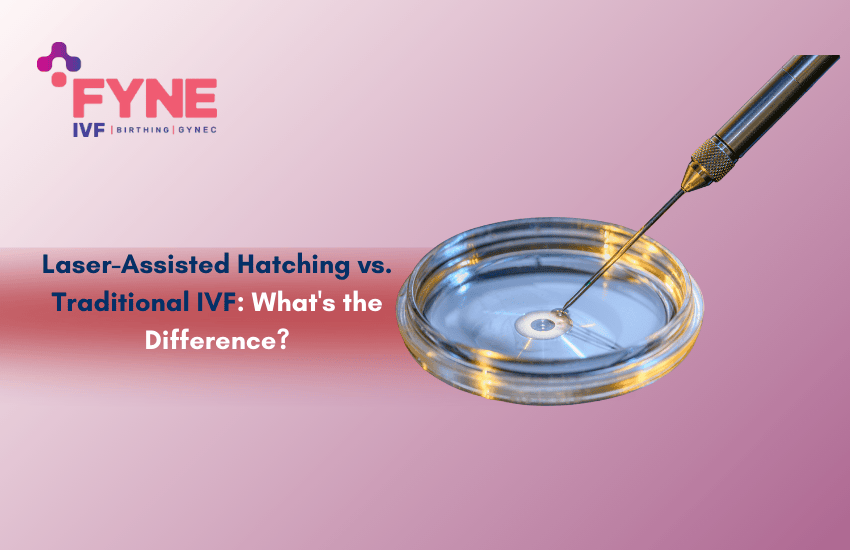
    Laser-assisted Hatching (LAH) is an advanced procedure that involves using a laser to create a small hole in the zona pellucida, which is the outer shell surrounding the embryo. This hole helps the embryo “hatch” and implant more easily into the uterine lining.

    How Does It Work?

    • LAH is performed on embryos that have reached the blastocyst stage (usually around day 5 of embryo development).
    • The laser creates a controlled, precise opening in the zona pellucida, which can help embryos with difficulty hatching naturally by softening the shell or aiding the hatching process.
    • This technique is designed to improve the chances of successful implantation in cases where embryos have not been successfully implanted in previous IVF cycles.

    Laser-Assisted Hatching vs. Traditional IVF: Key Differences

    While Traditional IVF is a standard treatment, Laser-Assisted Hatching is an additional technique used to help embryos implant more successfully. Here’s how the two compare:

    Traditional IVF

    • Procedure: Embryos are transferred into the uterus without assistance in the hatching process.
    • Success Rates: Success depends on the embryo’s ability to hatch and implant on its own. IVF works well for many couples but not all, particularly when embryos have difficulty hatching or when there is an immune response that prevents implantation.

    Laser-Assisted Hatching (LAH)

    Key Differences

    • IVF involves transferring embryos without additional assistance, while LAH specifically assists with embryo implantation.
    • Laser-assisted Hatching may be used alongside traditional IVF if there are concerns about embryo hatching, increasing the likelihood of pregnancy.

    Benefits of Laser-Assisted Hatching

    • Increased Implantation Rates: By making it easier for embryos to hatch, LAH improves the chances of successful embryo implantation into the uterine lining.
    • Aiding Older Women: For women over 35, who often have lower-quality eggs and thicker zona pellucida, LAH may significantly increase the chances of embryo survival and implantation.
    • Helping Poor-Quality Embryos: Embryos that are good candidates for implantation but struggle to break free from their shell may benefit from LAH, improving their chances of a successful pregnancy.

    Risks and Considerations of Laser-Assisted Hatching

    Although Laser-Assisted Hatching has shown positive results in increasing pregnancy rates, there are some considerations:

    • Potential Embryo Damage: If the laser is not applied carefully, it can damage the embryo. However, with experienced professionals, the risk of damage is minimal.
    • Not for Everyone: LAH is not recommended for all IVF patients and is typically used in cases where repeated IVF failures have occurred.

    When Should You Consider Laser-Assisted Hatching?

    Laser-assisted Hatching is often considered for patients who have had:

    • Multiple failed IVF cycles despite having good-quality embryos.
    • Thick zona pellucida or embryos that are having difficulty hatching naturally.
    • Advanced maternal age (35+), where the eggs may be more likely to have a thick shell that inhibits hatching.

    Before opting for LAH, it’s essential to consult with your fertility specialist, who can assess whether it’s the right option for your IVF treatment plan.

    In Conclusion

    Understanding the differences between Laser-Assisted Hatching and Traditional IVF can help couples who have experienced repeated IVF failures find a new path to success. LAH can be a valuable tool in overcoming implantation difficulties and improving success rates, particularly for those who have struggled with recurrent pregnancy loss or failed IVF attempts.

    By exploring advanced options like Laser-Assisted Hatching, you can make more informed decisions about your treatment and take proactive steps towards achieving your dream of parenthood.

    Empower Your Fertility Journey at FYNE IVF

    If you’ve experienced multiple IVF failures and are wondering whether Laser-Assisted Hatching could improve your chances of success, visit FYNE IVF. Our expert fertility team, led by Dr. Deepali Chinchole, specialises in advanced IVF techniques like LAH to help couples achieve their dream of parenthood. Book a Consultation and explore how we can help you with your IVF journey.


    FAQs

    1. What is Laser-Assisted Hatching (LAH)?

    A: Laser-assisted Hatching is a procedure where a laser creates a small hole in the embryo’s outer shell, facilitating the embryo’s ability to implant in the uterus.

    2. How does LAH improve IVF success rates?

    A: LAH helps embryos hatch and implant more easily by making a controlled hole in the zona pellucida, which can lead to better chances of successful pregnancy, especially for women who’ve had multiple IVF failures.

    3. Is LAH necessary for all IVF patients?

    A: No, Laser-Assisted Hatching is not required for every IVF patient. It is typically recommended for those with recurrent IVF failures or issues with embryo hatching, particularly for women of advanced age.

    4. Does LAH increase the cost of IVF treatment?

    A: Yes, Laser-Assisted Hatching adds to the cost of an IVF cycle. The procedure is an additional step to improve implantation chances, but it can be a worthwhile investment for those who have struggled with IVF failures.

    5. Are there any risks associated with Laser-Assisted Hatching?

    A: While LAH is generally safe, there is a slight risk of embryo damage if not performed accurately. However, this risk is very low when performed by an experienced professional.

  • What Every Woman Should Know About Ovarian Reserve & Egg Freezing

    What Every Woman Should Know About Ovarian Reserve & Egg Freezing

    Fertility is often not something women think about until they’re ready to start a family. However, ovarian reserve, the number of eggs in a woman’s ovaries, plays a critical role in determining fertility potential. Whether you’re considering starting a family now or planning for the future, understanding your ovarian reserve and options like egg freezing can provide valuable insights into your reproductive health.

    In this blog, we’ll explore the importance of ovarian reserve, the role of egg preservation, and the process of freezing eggs and embryos, empowering you to make informed decisions for your future family planning.

    What is an Ovarian Reserve?

    Ovarian reserve refers to the number and quality of eggs a woman has in her ovaries. It plays a major role in determining fertility, as a woman is born with a finite number of eggs that decrease in both quantity and quality over time.

    As women age, their ovarian reserve naturally decreases, which can affect the chances of conception. Ovarian reserve is typically assessed through blood tests measuring hormone levels (such as AMH and FSH) and ultrasound, along with other fertility assessments.

    How It Impacts Fertility and Reproductive Planning

    A woman’s ovarian reserve can impact:

    • Fertility potential: Lower ovarian reserve can make conception more difficult.
    • Response to fertility treatments: Women with a reduced ovarian reserve may have fewer eggs to retrieve during IVF cycles.
    • Timeframe for family planning: A low ovarian reserve might indicate a shorter fertility window, prompting earlier family planning.

    Signs of Diminished Ovarian Reserve and When to Get Tested

    While ovarian reserve naturally decreases with age, certain factors can accelerate the process. Some signs of diminished ovarian reserve include:

    • Difficulty getting pregnant
    • Irregular or missed periods
    • Early menopause in the family
    • History of medical treatments that may impact fertility (e.g., chemotherapy)

    If you are in your late 20s or early 30s and are considering delaying pregnancy, it may be wise to get tested for ovarian reserve. Early testing provides valuable information, helping you make informed choices about your reproductive health.

    The Role of Egg Preservation

    Egg preservation (or egg freezing) is the process of harvesting, freezing, and storing a woman’s eggs for future use. This allows women to delay pregnancy and safeguard fertility until a time when they feel ready. Women may choose to freeze their eggs for various reasons, including:

    • Age-related fertility decline: Women in their late 20s or early 30s may freeze eggs to preserve fertility before it naturally declines.
    • Medical reasons: Women facing treatments like chemotherapy or radiation that can affect ovarian function may use egg freezing as a method to preserve their fertility.
    • Lifestyle reasons: Women who wish to delay having children for career, relationship, or personal reasons may choose egg preservation as an option to ensure they have healthy eggs for future use.

    Overview of Success Rates and Benefits

    Egg preservation success depends on factors such as the age at which eggs are frozen and the quality of the eggs retrieved. Research indicates that:

    • Egg freezing success rates are higher in women under 35 years of age.
    • Frozen eggs can remain viable for years, giving women more flexibility in planning their pregnancies.

    Step-by-Step Breakdown of How Egg Freezing Works

    1. Ovarian Stimulation: The first step involves hormonal medications to stimulate the ovaries to produce multiple eggs.
    2. Monitoring: Throughout the stimulation process, the progress of the eggs is monitored with blood tests and ultrasounds to track hormone levels and egg growth.
    3. Egg Retrieval: Once the eggs are mature, a minor surgical procedure is performed under sedation to retrieve the eggs from the ovaries.
    4. Freezing & Storage: The retrieved eggs are frozen and stored in cryopreservation tanks, ready for future use when the woman is ready for pregnancy.

    Timeline and What to Expect

    The egg freezing process typically takes about 10–14 days from the start of ovarian stimulation to egg retrieval. The actual retrieval procedure is quick and minimally invasive, with most women resuming normal activities within a day or two.

    Debunking Myths About Egg Freezing

    • Myth: “Egg freezing guarantees future pregnancy.”

    Reality: While egg freezing increases the chances of pregnancy later, it’s not a guarantee, and success depends on several factors, including age and egg quality.

    • Myth: “Egg freezing is only for women over 35.”

    Reality: Egg freezing is beneficial for women of various ages, especially those in their late 20s or early 30s, who want to preserve fertility for the future.

    Emotional and Financial Considerations

    While egg freezing offers significant benefits, it’s important to be aware of the emotional and financial commitments. The process requires time, effort, and an understanding of the costs involved, which may include hormonal stimulation, monitoring, egg retrieval, freezing, and storage fees.

    Conclusion: Empowering Women to Make Informed Choices

    Understanding ovarian reserve and the options for egg preservation is essential for women who wish to have more control over their reproductive future. Whether due to age, medical reasons, or lifestyle choices, egg freezing offers a viable option for those looking to delay pregnancy while maintaining fertility. By learning more about the egg freezing procedure, embryo freezing, and the factors that affect success, women can make confident decisions about their fertility and take proactive steps toward family planning.

    Ready to Take Control of Your Fertility?

    If you’re considering egg freezing or want to learn more about how ovarian reserve affects your fertility, FYNE IVF is here to guide you every step of the way. With over 23 years of experience and a compassionate team, Dr. Deepali Chinchole specialises in fertility preservation and offers personalised care tailored to your needs. Book your consultation today to learn more about the egg freezing process and how we can support your fertility goals.

  • LIT Therapy in IVF: Does It Improve Success Rates for Recurrent Miscarriages?

    LIT Therapy in IVF: Does It Improve Success Rates for Recurrent Miscarriages?

    For couples who have faced the devastating heartbreak of recurrent miscarriages or repeated implantation failures during IVF, the journey to parenthood can feel emotionally and physically exhausting. In some cases, the cause behind these failures may not be related to embryo quality or uterine health, but to the immune system itself.

    One supportive treatment that has shown promise in improving pregnancy outcomes for such couples is LIT therapy (Lymphocyte Immunotherapy). But what exactly is LIT therapy, and can it truly boost IVF success rates for those struggling with recurrent pregnancy loss?

    Read on to learn about the science behind LIT therapy in IVF, how it works, its success rate, and whether it could be the right step forward in your fertility journey.

    What Is LIT (Lymphocyte Immunotherapy)?

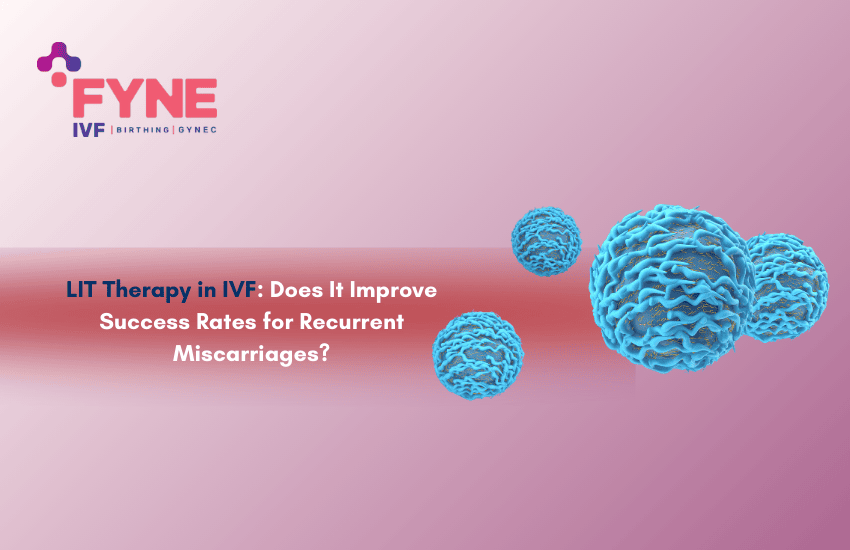
    Lymphocyte Immunotherapy (LIT) is a specialised treatment designed to address immunological infertility, especially in cases where the female immune system may mistakenly reject the embryo. In LIT therapy, white blood cells (lymphocytes) from the male partner (or a donor) are collected and injected into the female partner to help her immune system recognise the partner’s genetic material and promote immune tolerance.

    The immune system plays a crucial role in pregnancy. Sometimes, instead of supporting the embryo, it identifies it as a threat and attacks it, leading to implantation failure or miscarriage. LIT helps prevent this immune rejection, allowing the embryo to implant successfully and grow.

    When Do Doctors Recommend LIT Therapy in IVF?

    LIT therapy is not a standard part of every IVF cycle, but is often recommended when:

    • A woman experiences two or more consecutive miscarriages (Recurrent Pregnancy Loss – RPL)
    • There are multiple IVF failures without any obvious cause
    • Tests suggest immunological incompatibility between partners (e.g., abnormal Natural Killer (NK) cell activity, HLA sharing, or blocking antibody issues)
    • Other possible causes of miscarriage have been ruled out, and immune dysfunction is suspected

    It’s important that proper immunological evaluation is done before suggesting LIT, as the treatment is specifically beneficial in immune-related fertility cases.

    How LIT Therapy Supports IVF Success

    In normal pregnancies, a woman’s immune system develops “blocking antibodies” that help accept the embryo. When this mechanism fails, the immune system may treat the embryo as foreign tissue. LIT therapy helps the mother’s body produce these protective blocking antibodies by exposing her immune system to the lymphocytes of her partner.

    This process improves immune tolerance between the mother and foetus, reducing the chances of rejection and supporting embryo implantation and development during IVF.

    LIT Therapy Success Rate: What Does the Research Say?

    Studies evaluating the effectiveness of LIT therapy have reported varying outcomes depending on the patient group and treatment protocols. However, here’s what research generally suggests:

    • Pregnancy success rates may increase by up to 50–60% in women with recurrent pregnancy loss linked to immune issues when treated with LIT therapy.
    • One meta-analysis of immune therapies for RPL indicated that LIT improved live birth rates compared to untreated controls in certain cases.
    • Success depends on factors like accurate diagnosis of immune-related infertility, proper testing, and timing of the treatment.

    LIT therapy is not a universal solution for all cases of miscarriage or IVF failure. It works best when immune dysfunction is identified as the underlying cause.

    What Is the Cost of LIT Therapy in India?

    The cost of LIT therapy in India typically ranges from ₹25,000 to ₹50,000 per cycle, depending on factors such as:

    • Whether the lymphocytes are from the partner or the donor
    • Number of sessions recommended by the doctor
    • Clinic’s location and the expertise of the fertility team
    • Inclusions like consultation, immunological testing, lymphocyte preparation, injection procedure, and follow-up care

    Always ask your fertility clinic for a transparent cost breakdown before beginning treatment.

    How to Choose the Right Specialist for LIT Therapy in IVF

    Choosing a fertility specialist experienced in immunological infertility is key to the success of LIT therapy. Here’s what to look for:

    • Expertise in Immunological Fertility Treatments: Your doctor should have experience diagnosing and treating immune-related causes of recurrent pregnancy loss and IVF failure.
    • Comprehensive Testing Before Recommendation: LIT should only be suggested after thorough evaluation and testing confirms immune dysfunction.
    • Patient-Centric Approach and Transparent Care: Look for a clinic that offers clear explanations, emotional support, and personalised care plans.

    Conclusion: Can LIT Therapy Improve Your IVF Success?

    For couples facing unexplained pregnancy losses or repeated IVF failures, LIT therapy may offer a valuable supportive treatment by addressing immune-related barriers to pregnancy. While success rates can be promising, the right diagnosis and expert guidance are essential to ensure this therapy is beneficial for your specific case.

    Meet the IVF Doctor in Pune for Personalised Guidance

    At FYNE IVF, under the expert care of Dr. Deepali Chinchole, we specialise in advanced fertility treatments like LIT therapy with a patient-first approach. Our team offers comprehensive testing, personalised treatment plans, and emotional support to help you navigate your fertility journey with confidence. Book your consultation today with the best IVF doctor in Pune and find out if LIT therapy could be the missing piece in your path to parenthood.

  • How IVF and Egg Donation Are Combined for Higher Success Rates

    How IVF and Egg Donation Are Combined for Higher Success Rates

    In vitro fertilisation (IVF) has been a life-changing advancement for countless individuals and couples facing infertility. For some, combining IVF with egg donation offers the best chance of achieving pregnancy, especially when factors like advanced maternal age, poor egg quality, or genetic conditions are involved. In this blog, we’ll walk you through how IVF and egg donation work together, the egg donation procedure, and why this combination often leads to higher success rates.

    What Is Donor Egg IVF?

    Donor egg IVF is a fertility treatment in which a healthy egg from a donor is fertilised with sperm (either from a partner or donor), and the resulting embryo is implanted into the uterus of the intended parent or a gestational carrier.

    This method is often recommended when:

    • The patient’s eggs are not viable
    • The woman has experienced repeated IVF failures
    • There is a risk of passing on genetic disorders
    • The patient is of advanced maternal age (usually over 40)

    Who Can Benefit from Egg Donation?

    Egg donation offers hope to many individuals and couples, including:

    • Women with low ovarian reserve or poor egg quality
    • Women with premature ovarian failure
    • Cancer survivors who’ve lost fertility due to treatment
    • LGBTQ+ couples or single intended parents
    • Those who have gone through multiple unsuccessful IVF cycles

    The Egg Donation Procedure Step-by-Step

    Whether you’re an intended parent or curious about how egg donation works, here’s a simplified breakdown of the process:

    1. Donor Selection

    Intended parents can choose from anonymous or known donors. Medical history, genetic screening, and physical characteristics are considered during selection.

    2. Synchronisation

    The donor and recipient’s menstrual cycles are synchronised using medications to ensure optimal timing for egg retrieval and embryo transfer.

    3. Egg Retrieval

    The donor undergoes controlled ovarian stimulation for 10–12 days. Mature eggs are then retrieved using a minimally invasive procedure under sedation.

    4. Fertilisation

    The donor eggs are fertilised with sperm in a lab. In some cases, ICSI (Intracytoplasmic Sperm Injection) is used to enhance fertilisation rates.

    5. Embryo Development

    The fertilised eggs are cultured for 3–5 days until they develop into embryos. Embryo quality is assessed before transfer.

    6. Embryo Transfer

    One or more embryos are transferred into the recipient’s uterus. Any remaining viable embryos may be frozen for future use.

    7. Pregnancy Test

    A blood test is done approximately 2 weeks after the embryo transfer to confirm pregnancy.

    Why IVF with Egg Donation Has Higher Success Rates

    Using donor eggs in IVF typically results in higher success rates for several reasons:

    1. Younger, Healthier Eggs

    Egg donors are usually women under 32 years of age with no history of infertility. Their eggs tend to have better quality, which improves the chances of fertilisation and healthy embryo development.

    2. Lower Risk of Chromosomal Abnormalities

    Since egg quality declines with age, older women using their eggs face higher risks of chromosomal issues. Donor eggs reduce this risk and increase the chance of a healthy pregnancy.

    3. Improved Uterine Environment

    The recipient’s uterus is prepared in advance to be as receptive as possible. Without the added strain of ovarian stimulation, the uterine lining is often in better condition for implantation.

    4. High Live Birth Rates

    Studies show that live birth rates with donor egg IVF are consistently high, even in women in their 40s or those with a history of infertility.

    Is Donor Egg IVF Right for You?

    Choosing IVF with egg donation is a deeply personal decision. While it offers high success rates, it also involves emotional, financial, and ethical considerations. Today, IVF clinics provide complete counselling and support at every stage, whether you’re exploring this path for the first time or transitioning after other fertility treatments.

    Final Thoughts

    Combining IVF and egg donation opens up new possibilities for people who may have lost hope. With the use of healthy donor eggs and advanced reproductive techniques, many patients experience a renewed chance at parenthood with success rates that are often significantly higher than standard IVF.

    Trust FYNE IVF for a Seamless Fertility Journey

    If you’re considering donor egg IVF or want to know more about the egg donation procedure, we’re here to help. Book a consultation with Fyne IVF to take the next step in your fertility journey with care, expertise, and hope by your side.


    FAQs

    1. Q: What is donor egg IVF?
      A: It’s a type of IVF where eggs from a healthy donor are fertilised and transferred to the intended parent’s uterus, often used when the patient’s own eggs are not viable.
    2. Q: Who qualifies for IVF with donor eggs?
      A: Women with poor egg quality, early menopause, repeated IVF failures, or genetic conditions, as well as LGBTQ+ couples and single parents.
    3. Q: Is the egg donation procedure safe for donors?
      A: Yes, donors undergo thorough screening and are monitored closely during the process, which includes hormonal stimulation and egg retrieval under sedation.
    4. Q: Can I choose my egg donor?
      A: Yes, most fertility clinics offer profiles of anonymous or known donors, allowing you to select based on medical and personal criteria.
    5. Q: Are success rates higher with donor egg IVF?
      A: Yes, especially for women over 40 or with previous IVF failures, as younger donor eggs tend to lead to higher fertilisation and pregnancy rates.
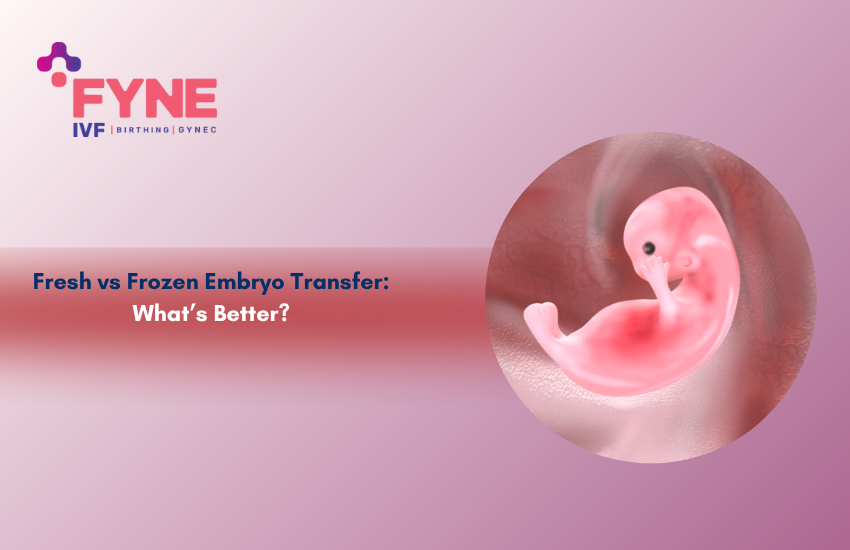
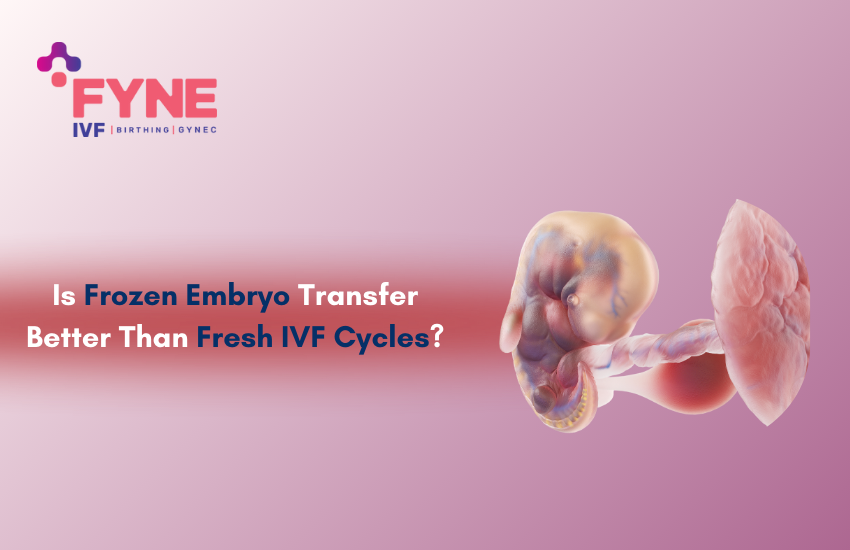
  • Is Frozen Embryo Transfer Better Than Fresh IVF Cycles?

    Is Frozen Embryo Transfer Better Than Fresh IVF Cycles?

    When considering IVF treatment, one common question patients ask is whether a frozen embryo transfer (FET) is better than a fresh embryo transfer. With advancements in fertility treatments, both approaches are widely used, but choosing the right one can make a significant difference in outcomes depending on your individual situation. In this blog, we’ll explain the difference between the two, compare their processes, success rates, pros and cons, and help you understand which option might be best for you.

    What Is the Difference Between Fresh and Frozen Embryo Transfers?

    Both fresh and frozen embryo transfers are part of in vitro fertilisation (IVF), where eggs are fertilised outside the body to form embryos. The main difference lies in when the embryo is transferred to the uterus.

    • Fresh Embryo Transfer: After egg retrieval and fertilisation, the embryo is transferred to the uterus within 3 to 5 days, during the same cycle.
    • Frozen Embryo Transfer (FET): The embryos are frozen (cryopreserved) and stored. The transfer takes place in a later menstrual cycle, once the uterus is optimally prepared.

    Each method has its benefits, and the right choice relies on your body’s hormonal response, medical history, and fertility goals.

    FET vs. Fresh IVF: The Process Step by Step

    Let’s break down the steps involved in each:

    Fresh Embryo Transfer:

    1. Ovarian stimulation using hormones
    2. Egg retrieval
    3. Fertilisation of eggs in the lab
    4. Embryo transfer within 3–5 days
    5. Pregnancy test after two weeks

    Frozen Embryo Transfer (FET):

    1. Ovarian stimulation and egg retrieval (initial IVF cycle)
    2. Embryo freezing
    3. Uterine lining preparation (in a future cycle)
    4. Thawing and transferring the embryo
    5. Pregnancy test after two weeks

    With FET, your body has time to return to its natural hormonal state, which can lead to better embryo implantation conditions for some patients.

    Are Success Rates Higher with Frozen Embryo Transfers?

    In recent years, several studies have shown that FET can offer equal or even higher success rates compared to fresh embryo transfers. Benefits observed with FET include:

    • Improved implantation rates due to better endometrial receptivity
    • Reduced risk of complications like Ovarian Hyperstimulation Syndrome (OHSS)
    • Higher live birth rates in women with PCOS or hormone sensitivity

    However, results can vary based on age, embryo quality, and other medical conditions. A personalised approach is always key.

    Pros and Cons of Frozen vs Fresh Embryo Transfers

    Let’s look at the advantages and considerations of both options.

    Advantages of Frozen Embryo Transfer:

    • More time for the uterus to recover from stimulation drugs
    • Lower risk of OHSS
    • Flexible scheduling for patients and doctors
    • Higher success in women with certain hormonal issues

    Advantages of Fresh Embryo Transfer:

    • Faster IVF process, no need to wait for another cycle
    • Less expensive (no freezing or storage costs)
    • Preferred for some younger women with healthy hormone profiles

    Things to Consider:

    • FET involves additional preparation and cost for freezing and thawing
    • Fresh transfers may not be ideal if hormone levels are too high after stimulation
    • Emotional stress can be higher with back-to-back IVF and transfer in fresh cycles

    Who Should Consider a Frozen Embryo Transfer?

    FET is often a better option for:

    • Women with polycystic ovary syndrome (PCOS)
    • Patients with high estrogen levels or poor uterine lining during the IVF cycle
    • Couples who want to genetically test embryos before transfer
    • Individuals seeking to delay pregnancy after egg retrieval

    Fresh transfer may still be suitable for women with the following:

    • Normal hormone levels
    • Younger age and high-quality embryos
    • A strong response to stimulation without OHSS risk

    The Bottom Line

    So, is frozen embryo transfer better than a fresh IVF cycle? The answer depends on your body, health history, and goals. FET offers promising success rates and is often recommended for patients with hormonal imbalances or previous IVF failures. On the other hand, fresh transfers can be quicker and more cost-effective for the right candidates.

    Schedule Your Consultation at FYNE IVF Today!

    Still unsure which option suits you best? Talk to our fertility experts at Fyne IVF. We’ll evaluate your case and design a personalised treatment plan that gives you the best chance of success. Book Your Appointment Now!


    FAQs

    What is the main difference between a fresh and frozen embryo transfer?

    A fresh transfer uses embryos created and transferred in the same cycle, while a frozen transfer uses embryos that were created earlier and stored for future use.

    Does frozen embryo transfer increase the chances of pregnancy?

    For many patients especially those with hormonal imbalances, FET can improve success rates due to a more stable uterine environment.

    How long do frozen embryo transfer cycles take?

    Typically, 4–6 weeks, including uterine lining preparation, embryo thawing, and the transfer process.

    Is FET more expensive than fresh embryo transfer?

    FET may involve additional costs for freezing, storage, and thawing, but may be more cost-effective in the long run due to higher success in certain cases.

    Can anyone choose a frozen embryo transfer over a fresh one?

    While many patients are eligible, your fertility doctor will evaluate your hormone levels, age, and medical history to recommend the best option.

  • How Egg Quality and Embryo Grading Influence IVF Success?

    How Egg Quality and Embryo Grading Influence IVF Success?

    Did you know that egg quality declines significantly after the age of 35, but embryo quality isn’t solely dependent on egg health? While both egg and embryo quality play crucial roles in the success of IVF, understanding which one has a greater impact is essential for couples seeking fertility treatment. This blog aims to compare the importance of egg quality and embryo quality in IVF success and help you determine which factor is more crucial for successful implantation and pregnancy.

    1. What Is Egg Quality?

    Egg quality refers to how well an egg can mature, fertilise, and develop into a viable embryo. Healthy eggs have the potential to produce high-quality embryos that are more likely to result in successful pregnancies.

    Factors Affecting Egg Quality:

    • Age: As women age, especially after 35, the quantity and quality of their eggs decline, leading to a higher risk of chromosomal abnormalities.
    • Lifestyle: Diet, smoking, alcohol consumption, and stress can all impact egg health.
    • Genetics and Medical Conditions: Certain genetic conditions and underlying medical issues (like PCOS or endometriosis) may affect egg quality.

    Why It Matters:

    Poor-quality eggs may fail to fertilise, lead to chromosomal abnormalities, or result in poor-quality embryos, which decreases IVF success rates.

    2. What Is Embryo Quality?

    Embryo quality refers to the potential of a fertilised egg (embryo) to implant and develop into a healthy pregnancy. An embryo’s ability to divide and grow properly after fertilisation is key to achieving successful implantation.

    • Factors Affecting Embryo Quality:
      • Egg and Sperm Quality: Both the egg and sperm contribute to embryo health.
      • Lab Culture Conditions: The environment in the laboratory during embryo culture plays a significant role in embryo development.
      • Genetic Integrity: Genetic screening, such as Preimplantation Genetic Testing (PGT), ensures the embryos are free from chromosomal abnormalities.
    • How Embryos Are Graded: Embryos are graded based on their appearance and developmental stages. Common grading systems include:
    • Day 3 Embryos: Graded based on cell count and symmetry.
    • Day 5 Blastocysts: More advanced, with grading based on the blastocyst’s expansion and inner cell mass.

    Egg Quality vs. Embryo Quality: Which Matters More?

    While egg quality is the foundation of a successful IVF process, embryo quality is critical for successful implantation and achieving a healthy pregnancy. The two are interconnected, and their importance cannot be separated. Egg quality affects the initial fertilisation process, and poor-quality eggs can result in poor-quality embryos, leading to a higher risk of chromosomal abnormalities and implantation failure. 

    On the other hand, embryo quality plays a crucial role in the implantation phase. Even if the egg quality is good, the embryo’s ability to develop and attach to the uterine lining is vital for a successful pregnancy. Both egg and embryo quality are equally important in the IVF process, and optimal egg health can increase the likelihood of producing high-quality embryos. 

    Improving Egg and Embryo Quality for IVF

    To optimise your chances of a successful IVF outcome, improving both egg and embryo quality is essential. While many factors are beyond our control, there are several lifestyle changes, medical interventions, and advanced techniques that can help enhance both aspects, increasing the likelihood of a healthy pregnancy. 

    Final Thoughts

    Both egg and embryo quality are crucial factors for IVF success. While egg health plays an essential role in creating good-quality embryos, embryo quality is what ultimately determines whether implantation and pregnancy occur. Patients undergoing IVF should focus on improving overall reproductive health and discuss embryo grading with their fertility specialist to maximise their chances of success.

    Get the Best IVF Outcomes with Dr Deepali Chinchole’s Expertise

    Struggling with IVF success? Consult with Dr Deepali Chinchole, a leading fertility doctor in Pune at FYNE IVF, to optimise both egg and embryo quality for the best outcomes. With her expertise in assisted reproductive technologies, she will guide you through the process of enhancing your chances of successful implantation and pregnancy. Schedule your consultation today and take the next step toward fulfilling your parenthood dreams!


    FAQs

    What is considered a good-quality egg for IVF?

    A good-quality egg has a normal appearance, with a clear shape and healthy chromosomes, making it more likely to fertilise and create a viable embryo.

    Can a poor-quality egg still result in a successful pregnancy?

    While it’s more challenging, poor-quality eggs may still result in a healthy pregnancy, but the risk of miscarriage or chromosomal abnormalities increases.

    How can I naturally improve egg quality?

    Eating a balanced diet, reducing stress, exercising regularly, and taking supplements like CoQ10 and folic acid may help improve egg quality naturally.

    What are the grading criteria for high-quality embryos?

    Embryos are graded based on cell structure, symmetry, and their ability to reach the blastocyst stage. Day 5 blastocysts typically have higher implantation potential.

    Does embryo freezing affect its quality?

    While the freezing and thawing process can have minor impacts on embryo quality, embryo freezing is generally considered safe and allows for the preservation of high-quality embryos for future use.

  • Understanding the Impact of Low Vitamin D on Your Fertility Journey

    Understanding the Impact of Low Vitamin D on Your Fertility Journey

    Vitamin D, often called the “sunshine vitamin,” plays a significant role in overall health and has a profound impact on reproductive health. While its benefits for bone and immune health are well-known, vitamin D is also a critical factor in fertility. For couples considering in vitro fertilization (IVF), addressing vitamin D deficiency can improve the likelihood of a successful outcome.

    This blog explores how vitamin D affects fertility and highlights steps you can take to optimize your chances of conceiving.

    What is Vitamin D Deficiency?

    Vitamin D is naturally produced when the skin is exposed to sunlight. It can also be obtained from certain foods and supplements. However, modern lifestyles, limited sun exposure, dietary habits, and geographic factors have made vitamin D deficiency increasingly common.

    A lack of vitamin D can lead to various health concerns, including weakened immune function, higher risk of chronic diseases, and challenges with conception.

    How Does Low Vitamin D Affect Fertility?

    Vitamin D influences fertility in both men and women through complex biological pathways. Research shows that adequate levels of vitamin D are essential for reproductive health.

    In Women

    Vitamin D receptors are present in the uterus and ovaries, making this nutrient vital for hormonal balance and reproductive function. Adequate vitamin D levels can:

    • Regulate sex hormone production
    • Support ovarian follicle development
    • Improve the uterine environment for successful implantation

    In contrast, vitamin D deficiency can disrupt ovulation and create an unfavorable environment for embryo implantation.

    In Men

    For men, low vitamin D levels have been linked to:

    • Poor sperm quality
    • Reduced motility
    • Lower testosterone levels

    These factors directly impact the chances of successful conception, whether naturally or through assisted reproductive techniques.

    The Role of Vitamin D in IVF Success

    For couples undergoing IVF, sufficient vitamin D levels can significantly enhance the chances of success. Studies suggest that women with optimal vitamin D levels experience higher IVF success rates compared to those with deficiencies.

    Vitamin D contributes to:

    • Better embryo development
    • Improved uterine lining
    • Enhanced sperm quality and function

    Addressing vitamin D levels before starting IVF is a simple yet impactful step toward improving outcomes.

    Tips for Managing Vitamin D Levels During Fertility Treatment

    If you’re trying to conceive, addressing vitamin D deficiency should be part of your fertility preparation. Here are key steps to consider:

    1. Testing and Monitoring: Get a blood test to assess your current vitamin D levels. Consult your healthcare provider to determine your optimal range.
    2. Diet and Supplements: Include vitamin D-rich foods in your diet, such as fatty fish, fortified dairy products, and egg yolks. Supplements can also help restore optimal levels under medical supervision.
    3. Sunlight Exposure: Spend 10-15 minutes in sunlight a few times a week to boost natural vitamin D production.
    4. Consult Your Doctor: Work with your fertility specialist to monitor and manage vitamin D levels, especially if you’re pursuing IVF or other fertility treatments.

    Conclusion

    Vitamin D is a crucial yet often overlooked factor in fertility and pregnancy. Deficiency in this essential nutrient can impact both natural conception and IVF success rates. Regular monitoring, a balanced diet, and appropriate supplementation can help ensure adequate vitamin D levels, supporting your journey toward a healthy pregnancy.

    By addressing vitamin D early, couples can take a proactive step toward enhancing their chances of conception and a successful pregnancy. Consult your healthcare provider to develop a personalized plan that aligns with your fertility goals.


  • Single vs. Multiple Embryo Transfer: Making the Right Choice for Your IVF Journey

    Single vs. Multiple Embryo Transfer: Making the Right Choice for Your IVF Journey

    In vitro fertilization (IVF) has transformed the dream of parenthood into reality for countless couples. However, it also brings important decisions, one of which is whether to transfer a single embryo or multiple embryos during the procedure.

    This decision can significantly impact the success of your IVF journey, the health of both mother and baby, and your family planning goals. In this blog, we’ll explore the key aspects of single embryo transfer (SET) and multiple embryo transfer (MET) to help you make an informed choice.

    What is Single Embryo Transfer (SET) vs. Multiple Embryo Transfer (MET)?

    • Single Embryo Transfer (SET): This involves transferring one high-quality embryo into the uterus. SET is often preferred for its association with safer maternal and neonatal outcomes.
    • Multiple Embryo Transfer (MET): This involves transferring two or more embryos simultaneously. MET is typically considered for women over 35 or those with lower-quality embryos due to age-related fertility decline.

    Success Rates: SET vs. MET

    Globally, fertility clinics are increasingly adopting international guidelines, such as those from ESHRE and ASRM, which recommend SET in most cases for its safer outcomes. In India, the Indian Council of Medical Research (ICMR) supports SET for women under 35 to reduce the risks linked to multiple pregnancies.

    Why SET is Recommended?

    • Fewer Risks: SET minimizes the likelihood of twins or triplets, significantly reducing complications like preeclampsia, preterm birth, and low birth weight.
    • Technological Advancements: Innovations like preimplantation genetic testing (PGT) and improved embryo culture techniques have boosted SET success rates, even for older women.

    MET Success Rates

    While MET may increase the chance of pregnancy in a single IVF cycle, it comes with higher risks. Understanding the nuances of single vs. multiple embryo transfer success rates is essential to making the best decision for your journey.

    Risks and Considerations

    Choosing between SET and MET requires evaluating potential risks and other factors:

    1. Health Risks for Mother and Baby:

    • Multiple Pregnancies: MET increases the chance of twins or triplets, leading to complications such as gestational diabetes, preeclampsia, preterm labor, and cesarean delivery.
    • Neonatal Risks: Babies from multiple pregnancies are more likely to have low birth weights and face developmental challenges.

    2. Financial Considerations:

    • SET may require more IVF cycles to achieve pregnancy, increasing costs over time.
    • MET may achieve pregnancy sooner but carries the risk of higher medical expenses due to complications from multiple pregnancies.

    3. Emotional and Physical Well-being:

    • MET can be more physically demanding, as carrying multiples places greater strain on the body.
    • The emotional toll of handling complications from multiple pregnancies can also be challenging.

    SET vs. MET: Which is Right for You?

    The decision between single and multiple embryo transfers depends on several factors:

    • Age: Women under 35 often achieve similar success rates with SET compared to MET. For women over 35, MET may improve the chances due to declining egg and embryo quality.
    • Health Considerations: Women with underlying health conditions should prioritize SET for safer outcomes.
    • Embryo Quality: High-quality embryos increase the success of SET, while MET may be considered if embryo quality is lower.

    If you are young and have high-quality embryos, SET offers a balanced approach to safety and success. Conversely, women with specific infertility challenges or those over 35 may benefit from MET.

    Conclusion

    Choosing between single and multiple embryo transfers is a deeply personal decision influenced by age, health, and fertility goals. Discussing your options with a fertility specialist during pre-treatment counseling can provide the clarity you need to make the right choice.

    Ultimately, the best decision is one that aligns with your health and parenthood dreams while prioritizing the safety and well-being of both mother and baby.

  • Key Factors to Improve Your Chances of IVF Success

    Key Factors to Improve Your Chances of IVF Success

    In-vitro fertilization (IVF) is an assisted reproductive technology (ART) that has brought hope and joy to countless couples struggling with infertility. While the process can be complex and emotionally challenging, understanding how to enhance your chances of success is crucial for navigating this journey with confidence. In this blog, we’ll explore the key factors that impact IVF success rates and share practical tips for increasing your chances of a healthy pregnancy.

    Understanding IVF Success Rates

    First and foremost, it’s important to have realistic expectations. IVF success rates can vary based on several factors, including age, underlying fertility issues, and the quality of the clinic. Statistics show that women under 35 may achieve a live birth rate of approximately 55% per IVF cycle, while success rates for women over 40 drop to around 7%. The success rate for natural IVF cycles is also typically lower than that of traditional methods.

    Key Factors to Improve IVF Success

    A. Lifestyle Modifications

    Making healthy lifestyle changes can set the stage for a successful IVF journey. Here’s how you can prepare your body:

    • Nutrition: A well-balanced diet rich in fruits, vegetables, lean proteins, and whole grains supports hormonal balance and egg quality. Incorporating antioxidant-rich foods like berries and nuts can also be beneficial.
    • Exercise: Maintaining a healthy weight has been shown to positively impact IVF outcomes. Regular, moderate exercise can help you achieve a Body Mass Index (BMI) within the normal range (18.5–24.9), which is associated with better fertility outcomes.
    • Avoid Harmful Substances: Quitting smoking and cutting out alcohol are critical for improving the chances of a successful IVF cycle. Both can have a negative impact on fertility and overall reproductive health.
    • Stress Management: High stress levels can hinder fertility. Practices like mindfulness, yoga, meditation, and therapy can help reduce stress and improve mental well-being during the IVF process.

    B. Consulting with Experts

    Working with experienced IVF specialists can make a significant difference in your treatment outcomes. Specialists can create personalized treatment plans tailored to your unique health profile and fertility challenges. Regular consultations and check-ins allow for any necessary adjustments to the treatment plan, ensuring you’re on the best possible path toward success.

    C. Enhancing Embryo Quality

    The quality of the embryo plays a critical role in the success of an IVF cycle. Here are strategies to improve embryo quality:

    • Genetic Testing: Preimplantation genetic testing (PGT) can identify healthy embryos before transfer. This increases the likelihood of successful implantation and lowers the risk of miscarriage.
    • Optimizing Egg Health: Supplements such as vitamin D and DHEA have been shown to improve egg quality. Consulting with your fertility specialist about the right supplements for you is essential.

    The Role of Age in IVF Success

    Age is one of the most significant factors influencing IVF success rates. Women under 35 typically have higher chances of success, while success rates decline for women over 40 due to decreased egg quality and quantity. Understanding how age impacts fertility can guide you in making informed decisions about treatment timing and options such as embryo preservation or the use of donor eggs. Donor eggs from younger women often provide higher success rates for those facing age-related challenges.

    Practical Tips for Your IVF Journey

    1. Stay Informed: Knowledge is power. Educating yourself about the IVF process, possible outcomes, and advancements in reproductive medicine can empower you and help you feel more in control.
    2. Build a Support System: Surround yourself with supportive friends, family, or others going through similar experiences. Joining support groups can also offer comfort and reduce feelings of isolation.
    3. Keep a Positive Mindset: While it’s essential to manage expectations, maintaining a hopeful and positive outlook can make the journey smoother. Visualize success, practice gratitude, and celebrate each milestone, no matter how small.

    Conclusion

    Increasing your chances of IVF success involves a holistic approach that includes lifestyle modifications, expert consultations, and a focus on embryo quality. While IVF can be a challenging path, taking proactive steps to prepare both your body and mind can provide a solid foundation for this transformative process. Remember, every fertility journey is unique. By staying informed, making healthy choices, and consulting with specialists, you can improve your odds and take significant strides toward achieving your dream of parenthood.