


Expert Care for
Every Woman, Every Stage.

Gynac & Fertility Consultation for All Female Health Concerns.

Irregular Periods
Hormonal Imbalance
PCOS / PCOD
Preconception Care
Personalized Care
Compassionate Experts
Trusted Support
FYNE IVF FYNE IVF
CONSULTATION FREE EVERY WEDNESDAY

Tag: Sperm Count

  • Semen Analysis Test: What Is a Normal Sperm Count and Motility?

    Semen Analysis Test: What Is a Normal Sperm Count and Motility?

    A semen analysis is often the very first test recommended when a couple is trying to understand why conception is taking longer than expected. For many men, it is also their first real introduction to terms like sperm count, motility and morphology, most of which sound more complicated than they actually are. 

    Understanding what a normal spermatozoa count looks like, and what motility results actually mean, can turn a slightly intimidating report into something far more manageable to make sense of.

    What Is a Semen Analysis Test?

    A semen analysis test examines a sample of semen under a microscope to assess several aspects of sperm health together. Rather than looking at just one number, the test builds a fuller picture by measuring how many sperm are present, how well they move, what proportion are normally shaped, and how much semen volume was produced.

    Since nearly half of fertility challenges among couples involve a male factor, a semen analysis is usually one of the earliest and most useful tests recommended, offering clear direction on what, if anything, needs further evaluation or treatment.

    Understanding a Normal Spermatozoa Count

    According to the World Health Organisation’s 2021 reference values, a normal semen sample has a sperm concentration of at least 16 million per millilitre, a total sperm number of at least 39 million, total motility of at least 42%, and progressive motility of at least 30%. 

    These figures represent the lower end of what is considered typical among men whose partners conceived naturally within a year, rather than a strict pass or fail line. A single result that falls slightly below these numbers does not necessarily mean infertility, which is why doctors often recommend repeating the test before drawing conclusions.

    Understanding Sperm Motility: Rapid, Sluggish and Normal

    Motility refers to how well sperm move, and it is just as important as count when it comes to natural conception, since sperm need to travel a considerable distance to reach and fertilise an egg. Motility is generally grouped into a few categories:

    • Rapid progressive motility, where sperm swim forward quickly and in a fairly straight line.
    • Slow or sluggish progressive motility, where sperm still move forward but at a noticeably slower pace or in a less direct path.
    • Non progressive motility, where sperm move but do not travel forward in any meaningful direction.
    • Immotile sperm, which show no movement at all.

    When a semen analysis report describes sperm as sluggish, it usually refers to that slower, less direct forward movement rather than a lack of movement altogether. Normal motility for pregnancy generally requires enough progressively motile sperm, both rapid and slow combined, to give a reasonable chance of reaching the egg naturally.

    What Affects Sperm Count and Motility

    A number of factors can lower sperm count or motility, sometimes temporarily and sometimes more persistently:

    • Smoking, excessive alcohol use or recreational drug use
    • Prolonged exposure to heat, such as frequent hot baths, saunas or laptop use directly on the lap
    • Obesity and a sedentary lifestyle
    • Chronic stress and poor sleep
    • Certain infections, varicoceles or hormonal imbalances
    • Underlying medical conditions or specific medications

    Because sperm take around three months to fully develop, lifestyle changes made today are usually only reflected in a semen analysis roughly three months later. For men looking to support their results through lifestyle changes can focus on staying active and consuming foods that help increase sperm count.

    Semen Analysis Test in Pune: What to Expect

    A semen analysis test is straightforward and non-invasive. A sample is provided in a private, comfortable setting at the clinic, usually after a recommended abstinence period of two to seven days, to ensure accurate results. The sample is then examined under a microscope to assess count, motility, morphology and other relevant parameters.

    At Fyne IVF in Pune, semen analysis forms part of a broader male fertility evaluation, which may also include a physical examination, hormone testing and, where needed, more specialised tests to build a complete picture rather than relying on one report alone.

    When Results Are Below Normal Range

    A below range result on its own is rarely the end of the story. Depending on what the analysis shows, treatment options range from lifestyle adjustments and medication to assisted reproductive techniques such as IUI or ICSI, which can achieve pregnancy even when sperm count or motility is significantly reduced. In cases where no sperm is found in the ejaculate, procedures such as TESA or PESA may be used to retrieve sperm directly for use in treatment.

    The right next step depends entirely on the specific results and underlying cause, which is why a proper consultation matters more than the numbers on the report alone.

    Know Your Numbers, Understand Your Fertility 

    A semen analysis test is one of the simplest ways to understand what may be affecting a couple’s chances of conceiving, and in many cases, it is also one of the most reassuring, since many concerns turn out to be manageable once identified. Knowing what a normal spermatozoa count and healthy motility actually look like can make the results far easier to understand.

    If you are trying to conceive and want clarity on your fertility health, Fyne IVF offers a comprehensive male fertility evaluation in Pune, including detailed semen analysis and expert guidance on the results. Book an appointment today to take the first step.

    Frequently Asked Questions

    How long should I abstain before a semen analysis?
    Most clinics recommend two to seven days of abstinence before the test, since both very short and very long abstinence periods can affect results.

    Can one abnormal semen analysis result mean I am infertile?
    No. Sperm parameters naturally vary between samples, which is why a single low result is usually followed by a repeat test before any conclusions are drawn.

    Does sluggish motility always require treatment?
    Not always. Mild reductions in motility can sometimes improve with lifestyle changes, while more significant reductions may benefit from assisted reproductive techniques.

    How soon can lifestyle changes improve my results?
    Since sperm take about three months to develop, improvements from lifestyle changes are usually only visible in a semen analysis after around three months.

    Is a semen analysis test uncomfortable or embarrassing?
    The sample is collected privately and confidentially at the clinic, and the process itself is simple and non-invasive.
  • 7 Best Foods to Increase Sperm Count and Improve Male Fertility Naturally

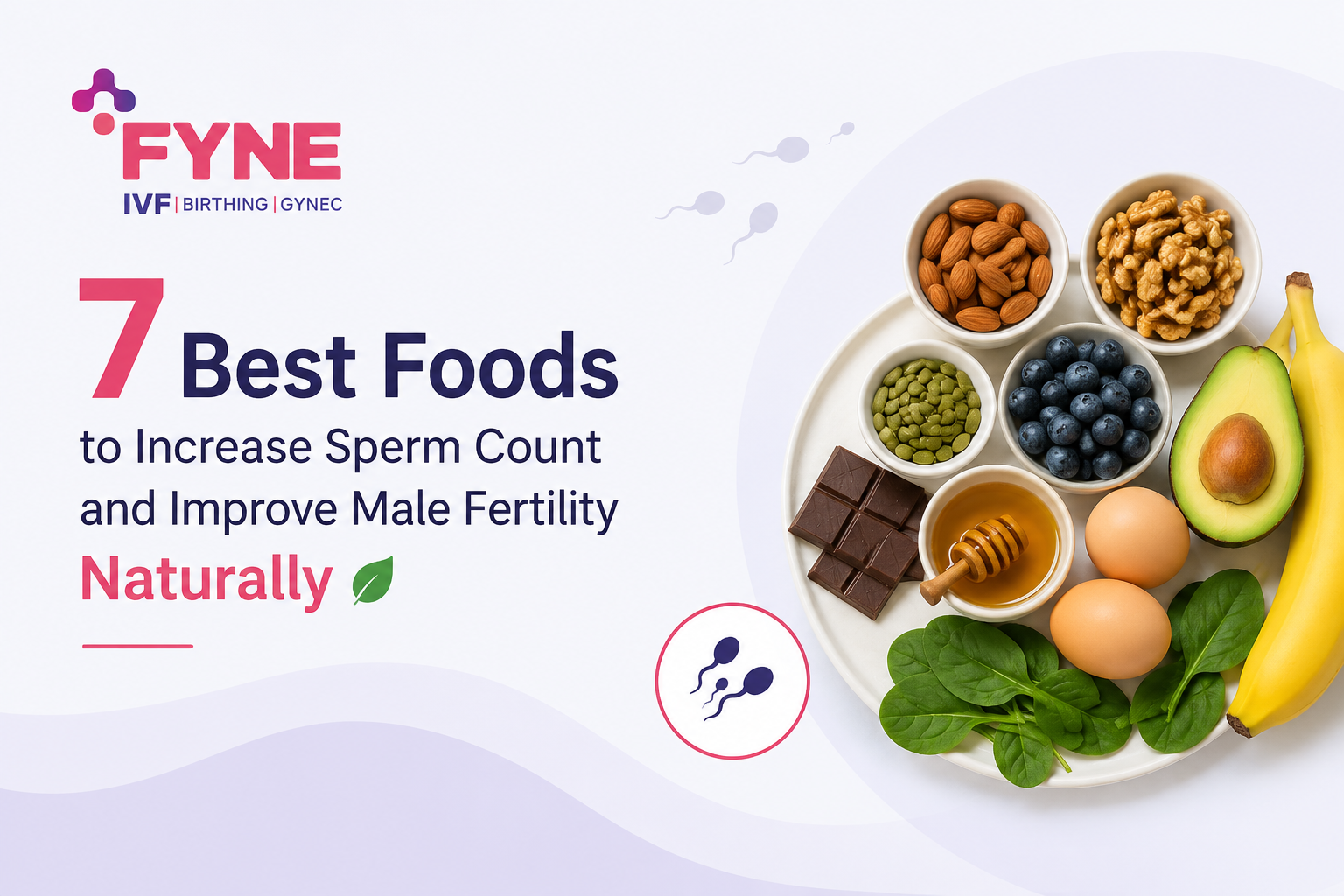
    7 Best Foods to Increase Sperm Count and Improve Male Fertility Naturally

    Sperm health plays an important role in fertility, and many men want to know whether food and lifestyle changes can improve semen quality. A balanced diet may support sperm count, motility, hormone balance, and overall reproductive health, especially when poor nutrition or lifestyle factors are contributing.

    However, diet alone cannot treat every cause of male infertility. If you are looking for a diet to increase seminal fluid or improve sperm health, it is also important to understand when semen analysis and fertility evaluation are needed.

    What Is Seminal Fluid and Why Does It Matter?

    Semen contains sperm along with fluid from the male reproductive glands. This seminal fluid helps transport, nourish, and protect sperm during ejaculation.

    However, semen volume alone does not confirm fertility. A man may have normal-looking semen but still have low sperm count, poor motility, or abnormal sperm shape. Similarly, lower semen volume does not always mean infertility.

    A semen analysis gives a clearer picture by checking sperm count, movement, shape, semen volume, and other parameters.

    Can Diet Increase Seminal Fluid and Sperm Count?

    A healthy diet can support sperm production, antioxidant protection, hormone function, and overall semen health. It may help when poor nutrition, obesity, smoking, alcohol, stress, poor sleep, or sedentary habits are affecting fertility.

    However, if sperm count is very low, semen volume is reduced, or reports are abnormal, medical evaluation is important. Conditions such as varicocele, infections, hormonal imbalance, diabetes, testicular injury, or genetic factors may need treatment.

    Food can support male fertility, but it should not replace proper diagnosis.

    7 Best Foods to Support Male Fertility

    1. Eggs

    Eggs provide protein, vitamin B12, and other nutrients that support general health and sperm production. Protein is important for hormone function and tissue repair.

    Eggs can be included as part of a balanced diet unless restricted due to a medical condition.

    2. Nuts and Seeds

    Nuts and seeds such as walnuts, almonds, pumpkin seeds, sunflower seeds, flaxseeds, and chia seeds may support male fertility because they contain healthy fats, zinc, selenium, vitamin E, and antioxidants.

    Zinc and selenium are important for sperm production and sperm quality. These foods should be eaten in moderation because they are calorie-dense.

    3. Fruits Rich in Vitamin C

    Vitamin C-rich fruits such as amla, oranges, guava, lemon, berries, and sweet lime provide antioxidant support. Antioxidants help protect sperm from oxidative stress, which can affect sperm quality.

    Adding fruits to daily meals is a simple way to improve overall nutrition and support reproductive health.

    4. Green Leafy Vegetables

    Green leafy vegetables such as spinach, methi, coriander, amaranth, and broccoli provide folate, minerals, fibre, and antioxidants.

    Folate supports cell function and may contribute to healthy sperm production. Leafy vegetables also help improve overall metabolic health, which can indirectly support fertility.

    5. Fish or Omega-3 Sources

    Omega-3 fats support sperm membrane health and may help overall reproductive function. Fatty fish can be a useful source for those who eat non-vegetarian food.

    Vegetarian sources include flaxseeds, chia seeds, walnuts, and some fortified foods. These can be added to meals or snacks in suitable quantities.

    6. Whole Grains and Pulses

    Whole grains and pulses such as oats, brown rice, millets, dal, chana, rajma, and sprouts provide fibre, protein, B vitamins, and steady energy.

    They also support weight management and blood sugar control, which can be important because obesity and metabolic problems may affect sperm health.

    7. Dairy or Curd

    Milk, curd, paneer, and other dairy foods provide protein, calcium, and important nutrients. Curd may also support gut health as part of a balanced diet.

    If weight gain, cholesterol, or digestive issues are concerns, choose portions carefully and follow medical or dietician advice.

    Foods and Habits to Limit

    To support sperm health, limit excess sugar, fried foods, highly processed foods, frequent junk food, tobacco, excessive alcohol, and unnecessary supplements.

    Avoid overheating the testicular area through frequent saunas, prolonged hot baths, or tight clothing if advised. Also avoid taking hormonal supplements, testosterone boosters, or gym steroids without medical guidance, as these may harm fertility.

    Final Thoughts

    Diet, hydration, sleep, stress control, healthy weight, and avoiding tobacco or excess alcohol can support sperm health and may help improve semen quality in some men. However, persistent low sperm count, low semen volume, or abnormal semen reports need proper fertility evaluation.

    If you need semen analysis, male fertility evaluation, lifestyle guidance, or personalised treatment planning, consult Fyne IVF, Pune, for expert fertility support.

    Book an Appointment 

    FAQs

    What is the best diet to increase seminal fluid?

    The best diet to increase seminal fluid should include adequate water, protein, fruits, vegetables, nuts, seeds, whole grains, pulses, and healthy fats. Avoid crash diets, smoking, excessive alcohol, and highly processed foods.

    What are the ways to increase seminal fluid naturally?

    Three ways to increase seminal fluid naturally include improving diet and hydration, reducing smoking and alcohol, and improving sleep, stress control, activity levels, and weight management.

    Does semen volume mean sperm count is good?

    No. Semen volume alone does not confirm sperm count or fertility. A semen analysis is needed to check sperm count, motility, shape, and other semen parameters.

    When should a man get a semen analysis?

    A man should get a semen analysis if the couple has been trying to conceive for 12 months, or 6 months if the female partner is above 35. It is also advised after failed fertility treatment or known male fertility concerns.

    Can male infertility be treated?

    Yes, many causes of male infertility can be treated or managed depending on the diagnosis. Treatment may include lifestyle changes, medicines, surgery, ICSI, TESA/PESA, or other fertility options.

Book Appointment