Tag: ivf success rate

  • Indira IVF vs FYNE IVF: Which Clinic Is Better for You in Pune?

    Indira IVF vs FYNE IVF: Which Clinic Is Better for You in Pune?

    Choosing a clinic matters. You should pick a center that fits your health needs, budget, and comfort level. Below is a clear, side-by-side comparison of Indira IVF and Fyne IVF in Pune.

    Quick summary

    • Indira IVF is a large national chain. It has many centres and standardised processes.
    • Fyne IVF is a local clinic in Pune that focuses on personalised care and transparency.
    • If you want a big network, pick Indira. If you want close doctor contact and local support, pick Fyne.

    Services offered

    Both clinics offer common fertility services. Here are the main ones.

    ServiceIndira IVFFyne IVF
    IVF (standard)YesYes
    ICSIYesYes
    IUIYesYes
    Egg freezingYesYes
    Donor eggs / donor spermYesYes
    Genetic testing (PGT)YesYes
    Counselling & mental health supportBasicDedicated support

    Success rates (approximate)

    Success rates vary by age, diagnosis, and lab factors. These numbers are estimates to help comparison.

    Age groupIndira IVF (approx)Fyne IVF (approx)
    < 30 years65–70%70–75%
    30–35 years55–65%60–70%
    35+ years45–55%50–60%

    Fyne shows slightly higher figures in these estimates. That advantage comes from smaller patient loads and more tailored protocols.

    Cost comparison

    Costs depend on tests, medicines, and add-ons. These ranges reflect common pricing brackets in Pune clinics.

    Fyne tends to list clearer base prices and fewer surprise add-ons. Ask each clinic for a full written breakdown before you commit.

    Patient experience and access

    • Indira IVF: strong brand, many centres, standard processes. You may meet different staff across visits. Wait times can be longer at some branches.
    • Fyne IVF: smaller team, consistent doctor contact, and more counselling time per visit. The clinic focuses on one-to-one care.

    Lab and technology

    Both clinics use modern embryology labs and standard ART techniques. Indira’s advantage lies in scale and protocol uniformity. Fyne’s advantage lies in lab attention for individual cases and closer embryologist-doctor coordination.

    Who should choose which clinic?

    • Choose Indira IVF if you prefer a large, national network and wide geographic access. You get standardised protocols and many branches.
    • Choose Fyne IVF if you want personalised plans, clearer pricing, and closer doctor involvement through your treatment.

    Do you need help picking based on your case? Share age, prior cycles, and main diagnosis, and I will map which clinic strengths match your situation.

    Next steps before you decide

    • Ask both clinics for a written price sheet and list of inclusions.
    • Request recent success data for patients in your exact age group.
    • Ask how many patients the lead doctor treats weekly. Lower caseload means more time for you.
    • Verify lab accreditation and embryologist experience.

    Quick FAQs

    Q: Which clinic is cheaper on average?
    A: Fyne IVF often lists lower base prices and fewer hidden costs. Ask both clinics for a full quote.

    Q: Does clinic size affect success?
    A: Clinic size does not determine success by itself. Smaller clinics can offer more tailored care. Larger chains offer standardised protocols and wider reach.

    Q: How do I verify success rates?
    A: Request recent case data by age group and treatment type. Ask for clinic audit reports or outcome summaries.
  • LIT Therapy in IVF: Does It Improve Success Rates for Recurrent Miscarriages?

    LIT Therapy in IVF: Does It Improve Success Rates for Recurrent Miscarriages?

    For couples who have faced the devastating heartbreak of recurrent miscarriages or repeated implantation failures during IVF, the journey to parenthood can feel emotionally and physically exhausting. In some cases, the cause behind these failures may not be related to embryo quality or uterine health, but to the immune system itself.

    One supportive treatment that has shown promise in improving pregnancy outcomes for such couples is LIT therapy (Lymphocyte Immunotherapy). But what exactly is LIT therapy, and can it truly boost IVF success rates for those struggling with recurrent pregnancy loss?

    Read on to learn about the science behind LIT therapy in IVF, how it works, its success rate, and whether it could be the right step forward in your fertility journey.

    What Is LIT (Lymphocyte Immunotherapy)?

    Lymphocyte Immunotherapy (LIT) is a specialised treatment designed to address immunological infertility, especially in cases where the female immune system may mistakenly reject the embryo. In LIT therapy, white blood cells (lymphocytes) from the male partner (or a donor) are collected and injected into the female partner to help her immune system recognise the partner’s genetic material and promote immune tolerance.

    The immune system plays a crucial role in pregnancy. Sometimes, instead of supporting the embryo, it identifies it as a threat and attacks it, leading to implantation failure or miscarriage. LIT helps prevent this immune rejection, allowing the embryo to implant successfully and grow.

    When Do Doctors Recommend LIT Therapy in IVF?

    LIT therapy is not a standard part of every IVF cycle, but is often recommended when:

    • A woman experiences two or more consecutive miscarriages (Recurrent Pregnancy Loss – RPL)
    • There are multiple IVF failures without any obvious cause
    • Tests suggest immunological incompatibility between partners (e.g., abnormal Natural Killer (NK) cell activity, HLA sharing, or blocking antibody issues)
    • Other possible causes of miscarriage have been ruled out, and immune dysfunction is suspected

    It’s important that proper immunological evaluation is done before suggesting LIT, as the treatment is specifically beneficial in immune-related fertility cases.

    How LIT Therapy Supports IVF Success

    In normal pregnancies, a woman’s immune system develops “blocking antibodies” that help accept the embryo. When this mechanism fails, the immune system may treat the embryo as foreign tissue. LIT therapy helps the mother’s body produce these protective blocking antibodies by exposing her immune system to the lymphocytes of her partner.

    This process improves immune tolerance between the mother and foetus, reducing the chances of rejection and supporting embryo implantation and development during IVF.

    LIT Therapy Success Rate: What Does the Research Say?

    Studies evaluating the effectiveness of LIT therapy have reported varying outcomes depending on the patient group and treatment protocols. However, here’s what research generally suggests:

    • Pregnancy success rates may increase by up to 50–60% in women with recurrent pregnancy loss linked to immune issues when treated with LIT therapy.
    • One meta-analysis of immune therapies for RPL indicated that LIT improved live birth rates compared to untreated controls in certain cases.
    • Success depends on factors like accurate diagnosis of immune-related infertility, proper testing, and timing of the treatment.

    LIT therapy is not a universal solution for all cases of miscarriage or IVF failure. It works best when immune dysfunction is identified as the underlying cause.

    What Is the Cost of LIT Therapy in India?

    The cost of LIT therapy in India typically ranges from ₹25,000 to ₹50,000 per cycle, depending on factors such as:

    • Whether the lymphocytes are from the partner or the donor
    • Number of sessions recommended by the doctor
    • Clinic’s location and the expertise of the fertility team
    • Inclusions like consultation, immunological testing, lymphocyte preparation, injection procedure, and follow-up care

    Always ask your fertility clinic for a transparent cost breakdown before beginning treatment.

    How to Choose the Right Specialist for LIT Therapy in IVF

    Choosing a fertility specialist experienced in immunological infertility is key to the success of LIT therapy. Here’s what to look for:

    • Expertise in Immunological Fertility Treatments: Your doctor should have experience diagnosing and treating immune-related causes of recurrent pregnancy loss and IVF failure.
    • Comprehensive Testing Before Recommendation: LIT should only be suggested after thorough evaluation and testing confirms immune dysfunction.
    • Patient-Centric Approach and Transparent Care: Look for a clinic that offers clear explanations, emotional support, and personalised care plans.

    Conclusion: Can LIT Therapy Improve Your IVF Success?

    For couples facing unexplained pregnancy losses or repeated IVF failures, LIT therapy may offer a valuable supportive treatment by addressing immune-related barriers to pregnancy. While success rates can be promising, the right diagnosis and expert guidance are essential to ensure this therapy is beneficial for your specific case.

    Meet the IVF Doctor in Pune for Personalised Guidance

    At FYNE IVF, under the expert care of Dr. Deepali Chinchole, we specialise in advanced fertility treatments like LIT therapy with a patient-first approach. Our team offers comprehensive testing, personalised treatment plans, and emotional support to help you navigate your fertility journey with confidence. Book your consultation today with the best IVF doctor in Pune and find out if LIT therapy could be the missing piece in your path to parenthood.

  • How IVF and Egg Donation Are Combined for Higher Success Rates

    How IVF and Egg Donation Are Combined for Higher Success Rates

    In vitro fertilisation (IVF) has been a life-changing advancement for countless individuals and couples facing infertility. For some, combining IVF with egg donation offers the best chance of achieving pregnancy, especially when factors like advanced maternal age, poor egg quality, or genetic conditions are involved. In this blog, we’ll walk you through how IVF and egg donation work together, the egg donation procedure, and why this combination often leads to higher success rates.

    What Is Donor Egg IVF?

    Donor egg IVF is a fertility treatment in which a healthy egg from a donor is fertilised with sperm (either from a partner or donor), and the resulting embryo is implanted into the uterus of the intended parent or a gestational carrier.

    This method is often recommended when:

    • The patient’s eggs are not viable
    • The woman has experienced repeated IVF failures
    • There is a risk of passing on genetic disorders
    • The patient is of advanced maternal age (usually over 40)

    Who Can Benefit from Egg Donation?

    Egg donation offers hope to many individuals and couples, including:

    • Women with low ovarian reserve or poor egg quality
    • Women with premature ovarian failure
    • Cancer survivors who’ve lost fertility due to treatment
    • LGBTQ+ couples or single intended parents
    • Those who have gone through multiple unsuccessful IVF cycles

    The Egg Donation Procedure Step-by-Step

    Whether you’re an intended parent or curious about how egg donation works, here’s a simplified breakdown of the process:

    1. Donor Selection

    Intended parents can choose from anonymous or known donors. Medical history, genetic screening, and physical characteristics are considered during selection.

    2. Synchronisation

    The donor and recipient’s menstrual cycles are synchronised using medications to ensure optimal timing for egg retrieval and embryo transfer.

    3. Egg Retrieval

    The donor undergoes controlled ovarian stimulation for 10–12 days. Mature eggs are then retrieved using a minimally invasive procedure under sedation.

    4. Fertilisation

    The donor eggs are fertilised with sperm in a lab. In some cases, ICSI (Intracytoplasmic Sperm Injection) is used to enhance fertilisation rates.

    5. Embryo Development

    The fertilised eggs are cultured for 3–5 days until they develop into embryos. Embryo quality is assessed before transfer.

    6. Embryo Transfer

    One or more embryos are transferred into the recipient’s uterus. Any remaining viable embryos may be frozen for future use.

    7. Pregnancy Test

    A blood test is done approximately 2 weeks after the embryo transfer to confirm pregnancy.

    Why IVF with Egg Donation Has Higher Success Rates

    Using donor eggs in IVF typically results in higher success rates for several reasons:

    1. Younger, Healthier Eggs

    Egg donors are usually women under 32 years of age with no history of infertility. Their eggs tend to have better quality, which improves the chances of fertilisation and healthy embryo development.

    2. Lower Risk of Chromosomal Abnormalities

    Since egg quality declines with age, older women using their eggs face higher risks of chromosomal issues. Donor eggs reduce this risk and increase the chance of a healthy pregnancy.

    3. Improved Uterine Environment

    The recipient’s uterus is prepared in advance to be as receptive as possible. Without the added strain of ovarian stimulation, the uterine lining is often in better condition for implantation.

    4. High Live Birth Rates

    Studies show that live birth rates with donor egg IVF are consistently high, even in women in their 40s or those with a history of infertility.

    Is Donor Egg IVF Right for You?

    Choosing IVF with egg donation is a deeply personal decision. While it offers high success rates, it also involves emotional, financial, and ethical considerations. Today, IVF clinics provide complete counselling and support at every stage, whether you’re exploring this path for the first time or transitioning after other fertility treatments.

    Final Thoughts

    Combining IVF and egg donation opens up new possibilities for people who may have lost hope. With the use of healthy donor eggs and advanced reproductive techniques, many patients experience a renewed chance at parenthood with success rates that are often significantly higher than standard IVF.

    Trust FYNE IVF for a Seamless Fertility Journey

    If you’re considering donor egg IVF or want to know more about the egg donation procedure, we’re here to help. Book a consultation with Fyne IVF to take the next step in your fertility journey with care, expertise, and hope by your side.


    FAQs

    1. Q: What is donor egg IVF?
      A: It’s a type of IVF where eggs from a healthy donor are fertilised and transferred to the intended parent’s uterus, often used when the patient’s own eggs are not viable.
    2. Q: Who qualifies for IVF with donor eggs?
      A: Women with poor egg quality, early menopause, repeated IVF failures, or genetic conditions, as well as LGBTQ+ couples and single parents.
    3. Q: Is the egg donation procedure safe for donors?
      A: Yes, donors undergo thorough screening and are monitored closely during the process, which includes hormonal stimulation and egg retrieval under sedation.
    4. Q: Can I choose my egg donor?
      A: Yes, most fertility clinics offer profiles of anonymous or known donors, allowing you to select based on medical and personal criteria.
    5. Q: Are success rates higher with donor egg IVF?
      A: Yes, especially for women over 40 or with previous IVF failures, as younger donor eggs tend to lead to higher fertilisation and pregnancy rates.
  • Is Frozen Embryo Transfer Better Than Fresh IVF Cycles?

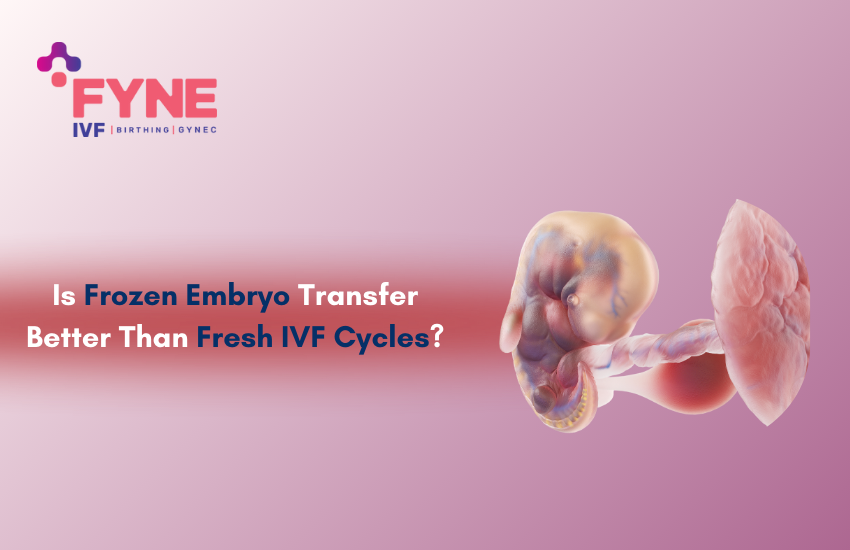
    Is Frozen Embryo Transfer Better Than Fresh IVF Cycles?

    When considering IVF treatment, one common question patients ask is whether a frozen embryo transfer (FET) is better than a fresh embryo transfer. With advancements in fertility treatments, both approaches are widely used, but choosing the right one can make a significant difference in outcomes depending on your individual situation. In this blog, we’ll explain the difference between the two, compare their processes, success rates, pros and cons, and help you understand which option might be best for you.

    What Is the Difference Between Fresh and Frozen Embryo Transfers?

    Both fresh and frozen embryo transfers are part of in vitro fertilisation (IVF), where eggs are fertilised outside the body to form embryos. The main difference lies in when the embryo is transferred to the uterus.

    • Fresh Embryo Transfer: After egg retrieval and fertilisation, the embryo is transferred to the uterus within 3 to 5 days, during the same cycle.
    • Frozen Embryo Transfer (FET): The embryos are frozen (cryopreserved) and stored. The transfer takes place in a later menstrual cycle, once the uterus is optimally prepared.

    Each method has its benefits, and the right choice relies on your body’s hormonal response, medical history, and fertility goals.

    FET vs. Fresh IVF: The Process Step by Step

    Let’s break down the steps involved in each:

    Fresh Embryo Transfer:

    1. Ovarian stimulation using hormones
    2. Egg retrieval
    3. Fertilisation of eggs in the lab
    4. Embryo transfer within 3–5 days
    5. Pregnancy test after two weeks

    Frozen Embryo Transfer (FET):

    1. Ovarian stimulation and egg retrieval (initial IVF cycle)
    2. Embryo freezing
    3. Uterine lining preparation (in a future cycle)
    4. Thawing and transferring the embryo
    5. Pregnancy test after two weeks

    With FET, your body has time to return to its natural hormonal state, which can lead to better embryo implantation conditions for some patients.

    Are Success Rates Higher with Frozen Embryo Transfers?

    In recent years, several studies have shown that FET can offer equal or even higher success rates compared to fresh embryo transfers. Benefits observed with FET include:

    • Improved implantation rates due to better endometrial receptivity
    • Reduced risk of complications like Ovarian Hyperstimulation Syndrome (OHSS)
    • Higher live birth rates in women with PCOS or hormone sensitivity

    However, results can vary based on age, embryo quality, and other medical conditions. A personalised approach is always key.

    Pros and Cons of Frozen vs Fresh Embryo Transfers

    Let’s look at the advantages and considerations of both options.

    Advantages of Frozen Embryo Transfer:

    • More time for the uterus to recover from stimulation drugs
    • Lower risk of OHSS
    • Flexible scheduling for patients and doctors
    • Higher success in women with certain hormonal issues

    Advantages of Fresh Embryo Transfer:

    • Faster IVF process, no need to wait for another cycle
    • Less expensive (no freezing or storage costs)
    • Preferred for some younger women with healthy hormone profiles

    Things to Consider:

    • FET involves additional preparation and cost for freezing and thawing
    • Fresh transfers may not be ideal if hormone levels are too high after stimulation
    • Emotional stress can be higher with back-to-back IVF and transfer in fresh cycles

    Who Should Consider a Frozen Embryo Transfer?

    FET is often a better option for:

    • Women with polycystic ovary syndrome (PCOS)
    • Patients with high estrogen levels or poor uterine lining during the IVF cycle
    • Couples who want to genetically test embryos before transfer
    • Individuals seeking to delay pregnancy after egg retrieval

    Fresh transfer may still be suitable for women with the following:

    • Normal hormone levels
    • Younger age and high-quality embryos
    • A strong response to stimulation without OHSS risk

    The Bottom Line

    So, is frozen embryo transfer better than a fresh IVF cycle? The answer depends on your body, health history, and goals. FET offers promising success rates and is often recommended for patients with hormonal imbalances or previous IVF failures. On the other hand, fresh transfers can be quicker and more cost-effective for the right candidates.

    Schedule Your Consultation at FYNE IVF Today!

    Still unsure which option suits you best? Talk to our fertility experts at Fyne IVF. We’ll evaluate your case and design a personalised treatment plan that gives you the best chance of success. Book Your Appointment Now!


    FAQs

    What is the main difference between a fresh and frozen embryo transfer?

    A fresh transfer uses embryos created and transferred in the same cycle, while a frozen transfer uses embryos that were created earlier and stored for future use.

    Does frozen embryo transfer increase the chances of pregnancy?

    For many patients especially those with hormonal imbalances, FET can improve success rates due to a more stable uterine environment.

    How long do frozen embryo transfer cycles take?

    Typically, 4–6 weeks, including uterine lining preparation, embryo thawing, and the transfer process.

    Is FET more expensive than fresh embryo transfer?

    FET may involve additional costs for freezing, storage, and thawing, but may be more cost-effective in the long run due to higher success in certain cases.

    Can anyone choose a frozen embryo transfer over a fresh one?

    While many patients are eligible, your fertility doctor will evaluate your hormone levels, age, and medical history to recommend the best option.

  • How Egg Quality and Embryo Grading Influence IVF Success?

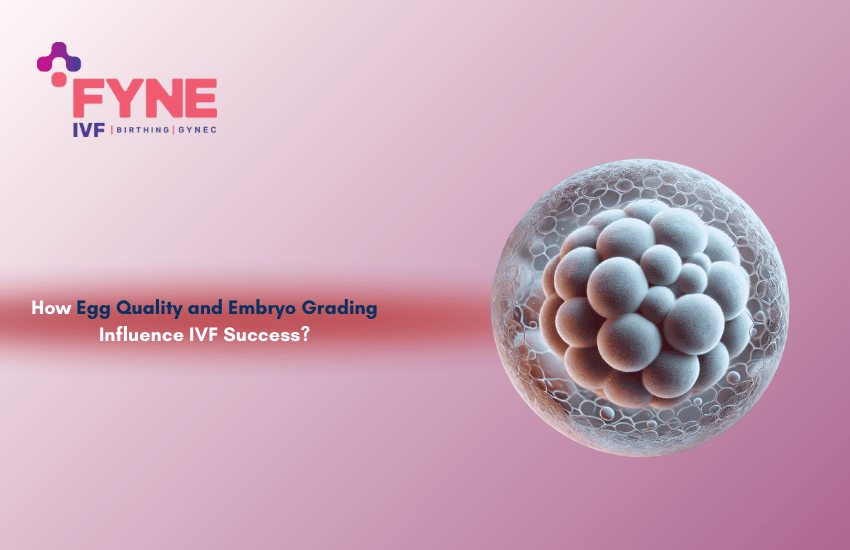
    How Egg Quality and Embryo Grading Influence IVF Success?

    Did you know that egg quality declines significantly after the age of 35, but embryo quality isn’t solely dependent on egg health? While both egg and embryo quality play crucial roles in the success of IVF, understanding which one has a greater impact is essential for couples seeking fertility treatment. This blog aims to compare the importance of egg quality and embryo quality in IVF success and help you determine which factor is more crucial for successful implantation and pregnancy.

    1. What Is Egg Quality?

    Egg quality refers to how well an egg can mature, fertilise, and develop into a viable embryo. Healthy eggs have the potential to produce high-quality embryos that are more likely to result in successful pregnancies.

    Factors Affecting Egg Quality:

    • Age: As women age, especially after 35, the quantity and quality of their eggs decline, leading to a higher risk of chromosomal abnormalities.
    • Lifestyle: Diet, smoking, alcohol consumption, and stress can all impact egg health.
    • Genetics and Medical Conditions: Certain genetic conditions and underlying medical issues (like PCOS or endometriosis) may affect egg quality.

    Why It Matters:

    Poor-quality eggs may fail to fertilise, lead to chromosomal abnormalities, or result in poor-quality embryos, which decreases IVF success rates.

    2. What Is Embryo Quality?

    Embryo quality refers to the potential of a fertilised egg (embryo) to implant and develop into a healthy pregnancy. An embryo’s ability to divide and grow properly after fertilisation is key to achieving successful implantation.

    • Factors Affecting Embryo Quality:
      • Egg and Sperm Quality: Both the egg and sperm contribute to embryo health.
      • Lab Culture Conditions: The environment in the laboratory during embryo culture plays a significant role in embryo development.
      • Genetic Integrity: Genetic screening, such as Preimplantation Genetic Testing (PGT), ensures the embryos are free from chromosomal abnormalities.
    • How Embryos Are Graded: Embryos are graded based on their appearance and developmental stages. Common grading systems include:
    • Day 3 Embryos: Graded based on cell count and symmetry.
    • Day 5 Blastocysts: More advanced, with grading based on the blastocyst’s expansion and inner cell mass.

    Egg Quality vs. Embryo Quality: Which Matters More?

    While egg quality is the foundation of a successful IVF process, embryo quality is critical for successful implantation and achieving a healthy pregnancy. The two are interconnected, and their importance cannot be separated. Egg quality affects the initial fertilisation process, and poor-quality eggs can result in poor-quality embryos, leading to a higher risk of chromosomal abnormalities and implantation failure. 

    On the other hand, embryo quality plays a crucial role in the implantation phase. Even if the egg quality is good, the embryo’s ability to develop and attach to the uterine lining is vital for a successful pregnancy. Both egg and embryo quality are equally important in the IVF process, and optimal egg health can increase the likelihood of producing high-quality embryos. 

    Improving Egg and Embryo Quality for IVF

    To optimise your chances of a successful IVF outcome, improving both egg and embryo quality is essential. While many factors are beyond our control, there are several lifestyle changes, medical interventions, and advanced techniques that can help enhance both aspects, increasing the likelihood of a healthy pregnancy. 

    Final Thoughts

    Both egg and embryo quality are crucial factors for IVF success. While egg health plays an essential role in creating good-quality embryos, embryo quality is what ultimately determines whether implantation and pregnancy occur. Patients undergoing IVF should focus on improving overall reproductive health and discuss embryo grading with their fertility specialist to maximise their chances of success.

    Get the Best IVF Outcomes with Dr Deepali Chinchole’s Expertise

    Struggling with IVF success? Consult with Dr Deepali Chinchole, a leading fertility doctor in Pune at FYNE IVF, to optimise both egg and embryo quality for the best outcomes. With her expertise in assisted reproductive technologies, she will guide you through the process of enhancing your chances of successful implantation and pregnancy. Schedule your consultation today and take the next step toward fulfilling your parenthood dreams!


    FAQs

    What is considered a good-quality egg for IVF?

    A good-quality egg has a normal appearance, with a clear shape and healthy chromosomes, making it more likely to fertilise and create a viable embryo.

    Can a poor-quality egg still result in a successful pregnancy?

    While it’s more challenging, poor-quality eggs may still result in a healthy pregnancy, but the risk of miscarriage or chromosomal abnormalities increases.

    How can I naturally improve egg quality?

    Eating a balanced diet, reducing stress, exercising regularly, and taking supplements like CoQ10 and folic acid may help improve egg quality naturally.

    What are the grading criteria for high-quality embryos?

    Embryos are graded based on cell structure, symmetry, and their ability to reach the blastocyst stage. Day 5 blastocysts typically have higher implantation potential.

    Does embryo freezing affect its quality?

    While the freezing and thawing process can have minor impacts on embryo quality, embryo freezing is generally considered safe and allows for the preservation of high-quality embryos for future use.