

Tag: Fertility Care

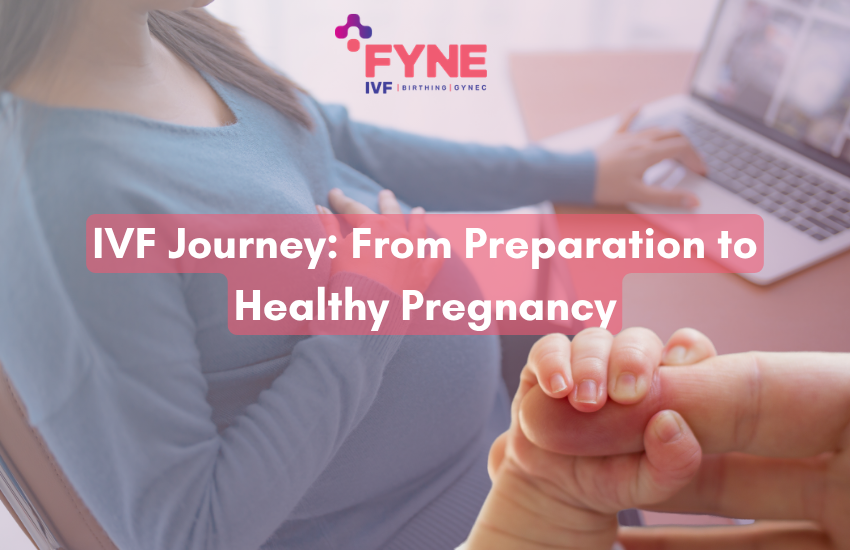
  • Your Complete IVF Journey: Why Choose IVF, Preparing Your Body, and Ensuring a Healthy Pregnancy

    Starting your fertility journey is never just a medical decision. It is emotional, personal, and often filled with questions. At Fyne IVF, the focus goes beyond treatment, offering couples clarity, support, and confidence at every step.

    If you are considering IVF treatment in Pune, this guide will help you understand why couples choose IVF, how to prepare your body, and how to ensure a healthy pregnancy.

    Why Do Couples Choose IVF Treatment?

    Infertility can occur due to several medical and lifestyle factors, and IVF treatment often becomes the most effective solution when natural conception is difficult.

    Common reasons include:

    • Blocked or damaged fallopian tubes
    • Low sperm count or male infertility issues
    • Ovulation disorders such as PCOS
    • Unexplained infertility
    • Age-related fertility decline
    • Recurrent pregnancy loss

    At Fyne IVF, every couple receives a tailored diagnosis and treatment plan through advanced fertility treatments in Pune designed for individual needs.

    Step 1: Preparing Your Body Before IVF Treatment

    A successful IVF cycle begins even before the treatment starts. Preparing your body improves implantation success and overall pregnancy outcomes.

    1. Get a Complete Fertility Evaluation

    Understanding the root cause of infertility is essential before starting IVF treatment in Pune.

    At Fyne IVF, patients benefit from a holistic and compassionate approach focused on long-term success. You can learn more through their approach to fertility treatment and patient care.

    2. Focus on Pre-IVF Nutrition

    Nutrition plays a vital role in improving egg quality, sperm health, and hormonal balance during your IVF journey.

    • Eat antioxidant-rich foods
    • Maintain a healthy weight
    • Reduce processed food intake

    Fyne IVF also emphasizes comprehensive care through experienced professionals. You can meet the fertility experts guiding your IVF journey.

    3. Vaccination and Immunization Awareness

    Before starting your IVF procedure, doctors may recommend:

    • Rubella vaccine
    • HPV vaccination
    • Infection screening

    This step helps ensure a safe and healthy pregnancy after IVF.

    4. Mental and Emotional Preparation

    The IVF journey can be emotionally demanding. Stress and anxiety can affect overall well-being and treatment outcomes.

    Fyne IVF provides continuous emotional support through counselling. You can also explore the team of IVF specialists and experts involved in patient care.

    Step 2: Understanding the IVF Process Step by Step

    The IVF process involves a series of carefully monitored steps:

    1. Ovarian stimulation
    2. Egg retrieval
    3. Fertilization in the lab
    4. Embryo development
    5. Embryo transfer

    Advanced techniques and personalized protocols help improve IVF success rates. You can explore all available advanced IVF treatments and fertility solutions in Pune.

    Step 3: Ensuring a Healthy Pregnancy After IVF

    Achieving pregnancy through IVF treatment is an important milestone, but proper care afterward is equally important.

    1. Regular Medical Monitoring

    Routine check-ups and scans help ensure everything is progressing smoothly during pregnancy after IVF.

    You can always get in touch with the clinic for continuous IVF support and guidance.

    2. Follow a Healthy Diet

    • Increase folic acid, iron, and calcium
    • Stay hydrated
    • Avoid alcohol and smoking

    A balanced diet supports a healthy pregnancy after IVF treatment.

    3. Stay Physically Active

    Light activities such as walking or prenatal yoga can support circulation and reduce stress during your IVF pregnancy.

    4. Focus on Mental Well-being

    Emotional balance plays a key role in improving IVF success and pregnancy outcomes.

    Fyne IVF ensures continuous patient support, and you can always consult experienced IVF specialists for guidance and reassurance.

    5. Follow Medical Advice Strictly

    Every IVF pregnancy is different, so following personalized medical advice is essential for a safe outcome.

    Why Choosing the Right IVF Center in Pune Matters

    Success in IVF treatment in Pune depends not only on technology but also on expertise, trust, and personalized care.

    Fyne IVF stands out as a trusted IVF center in Pune because of:

    • Individualized treatment plans
    • Advanced fertility technology
    • Transparent communication
    • Holistic patient care

    You can explore more about their commitment to advanced fertility care and high IVF success rates.

    Ready to Begin Your IVF Journey?

    Taking the first step toward IVF treatment in Pune can feel overwhelming, but with the right guidance, it becomes easier.

    You can book a consultation with Fyne IVF specialists to discuss your concerns and explore the best fertility treatment options for your case.

    Whether you are just starting or have been trying for a while, the right support can make a meaningful difference in your fertility journey.

    FAQs

    1. Is IVF treatment safe?

    Yes, IVF treatment is a safe and widely practiced fertility procedure when performed by experienced specialists.

    2. How long does an IVF cycle take?

    A single IVF cycle typically takes about 4 to 6 weeks.

    3. Are vaccines necessary before IVF?

    Yes, certain vaccinations help ensure a safer and healthier pregnancy after IVF.

    4. Does stress affect IVF success rates?

    Yes, managing stress is important for better hormonal balance and improved IVF success rates.

    5. When should I consult an IVF specialist in Pune?

    If you have been trying to conceive for 6 to 12 months without success, or earlier if there are any known factors that might affect your fertility, it is advisable to consult an IVF specialist in Pune for proper evaluation and treatment.

  • Blastocyst Transfer in IVF: What It Is and Why Timing Matters

    Blastocyst Transfer in IVF: What It Is and Why Timing Matters

    IVF (In Vitro Fertilisation) is a process that offers hope for many couples struggling with infertility. However, the journey is filled with numerous decisions, each one crucial in achieving a successful outcome. One of the most critical steps in the IVF process is the blastocyst transfer, a technique that can greatly influence the success rates of IVF. 

    If you are unfamiliar with the term or want to understand more about it, this blog will explain what a blastocyst is, why the timing of the transfer is important, and how this stage plays a vital role in the IVF treatment process.

    What Is a Blastocyst?

    In the IVF process, the fertilised egg undergoes several stages of development before it is ready to be implanted in the uterus. One of the most important stages is the blastocyst stage, which typically occurs 5 to 6 days after egg collection. By this point, the fertilised egg has developed into a multicelled structure with distinct characteristics.

    A blastocyst consists of the following parts:

    • Inner Cell Mass (ICM): This is the cluster of cells that will eventually develop into the baby.
    • Fluid-Filled Cavity: The blastocyst is a hollow structure that contains fluid, and it plays a crucial role in the embryo’s ability to implant in the uterine lining.
    • Trophoblast Cells: These outer cells will form the placenta, providing nutrients and oxygen to the developing embryo.

    When an embryo reaches the blastocyst stage, it is an indication that it is developing well and is ready for the next critical step: implantation into the uterus.

    Why Is a Day 5 Transfer So Important?

    In IVF, embryos are typically transferred into the uterus either on Day 3 (the cleavage stage) or Day 5 (the blastocyst stage). While both options are viable, transferring an embryo at the blastocyst stage offers several distinct advantages:

    1. Better Embryo Selection

    Only the strongest embryos can survive to the blastocyst stage, meaning that embryos that reach Day 5 are generally of higher quality. These embryos are more likely to implant successfully in the uterine lining, improving the chances of a successful pregnancy.

    2. Mimicking Natural Timing

    In a natural pregnancy, embryos typically take around 5 days to reach the uterus after fertilisation. By transferring the embryo at this stage, the timing is more closely aligned with the body’s natural processes. This increases the likelihood that the embryo will implant successfully and develop into a healthy pregnancy.

    3. Higher Success Rates

    Many studies have shown that Day 5 blastocyst transfers tend to have better success rates than Day 3 transfers, especially when embryos are of good quality. The process of selecting the best embryo at Day 5 ensures that the embryo being transferred has a higher likelihood of successful implantation.

    Blastocyst IVF Success Rates

    While the success rates of IVF can vary depending on various factors, including age, medical history, and the quality of the embryos, blastocyst transfer has been associated with higher pregnancy rates in certain groups of patients.

    1. Women Under 35

    For women under the age of 35, blastocyst transfer has shown significantly improved outcomes when compared to Day 3 transfer. This is because embryos from younger women are often of better quality, and the timing of a Day 5 transfer better supports implantation.

    2. Couples with Multiple Healthy Embryos

    If couples have several embryos of good quality, a blastocyst transfer is typically the preferred choice. It allows embryologists to select the best embryo for transfer, improving the chances of success.

    3. Previous IVF Failures

    For couples who have undergone multiple IVF cycles with no success using Day 3 transfers, blastocyst transfer offers a new opportunity. The improved embryo selection and alignment with natural implantation timing often lead to better outcomes.

    What Happens After a Blastocyst Transfer?

    Once the blastocyst is transferred into the uterus, the next phase of the IVF journey begins: waiting for implantation. This stage can be both exciting and nerve-wracking, as couples hope for a positive pregnancy test.

    Here’s what you can expect after a blastocyst transfer:

    • Implantation: This usually occurs within 24 to 72 hours after the transfer. The embryo begins to attach to the uterine lining, and this is the start of pregnancy.
    • Cramping or Spotting: Light cramping or spotting can occur as the embryo implants. This is normal and should not cause concern.
    • Rest and Recovery: During the waiting period, it’s recommended to avoid strenuous activities. Although there’s no need for bed rest, it’s important to avoid heavy lifting or intense exercise.
    • Pregnancy Test: Approximately 10 to 12 days after the transfer, a blood test is conducted to confirm pregnancy. It’s essential to follow your doctor’s instructions on when to take this test.

    While waiting for the pregnancy test results, emotional support from your healthcare team can be invaluable. IVF can be an emotional rollercoaster, and staying positive and informed can help manage stress during this time.

    In Conclusion

    Choosing to undergo blastocyst transfer is an important decision that can seriously impact the outcome of your IVF cycle. The timing of the transfer, the quality of the embryo, and the precise technique used are all crucial factors in ensuring successful implantation and a healthy pregnancy. By understanding what a blastocyst is, why the Day 5 transfer is so beneficial, and how the process works, you are in a better position to make informed decisions about your fertility treatment.

    Make the Right Choice for Your IVF Treatment: Visit FYNE IVF Now!

    If you’re considering IVF and are curious about blastocyst transfer, our team of experienced fertility specialists is here to provide all the information and support you need. Whether you’re new to IVF or have undergone previous cycles, we can help you make the right choices for your fertility journey. We’re committed to offering compassionate, evidence-based care tailored to your unique needs.

    Book a consultation, explore your options today!


    FAQs

    1. Is Blastocyst Transfer Better Than a Day 3 Transfer?

    For many patients, blastocyst transfer is considered better because it allows for better embryo selection and aligns more closely with natural pregnancy timing. However, it may not be suitable for everyone. Your fertility doctor will guide you in making the right choice based on your specific situation.

    2. Does Blastocyst Transfer Guarantee Pregnancy?

    Unfortunately, no IVF technique can guarantee a pregnancy. However, blastocyst transfer offers higher chances of success compared to Day 3 transfers, especially in cases where embryo quality is optimal.

    3. Can I Choose How Many Embryos to Transfer?

    Typically, only one embryo is transferred to reduce the risk of multiple pregnancies. However, in some cases, doctors may recommend transferring more than one embryo based on factors such as age, embryo quality, and previous IVF outcomes. This is always discussed in detail during your consultation.

Book Appointment