Tag: Embryo Transfer Timing

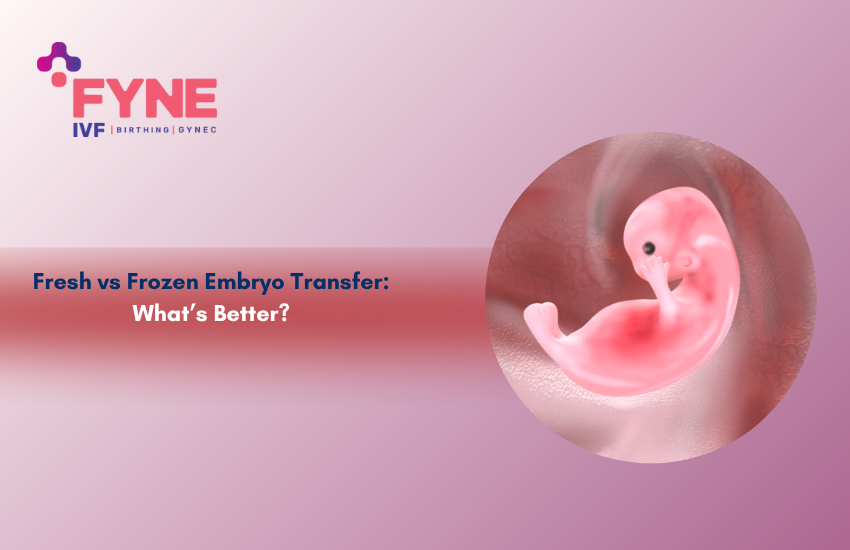
  • Fresh vs. Frozen Embryo Transfers: Which One is Better for IVF Success?

    Fresh vs. Frozen Embryo Transfers: Which One is Better for IVF Success?

    Choosing IVF as a path to parenthood can be one of the most significant decisions you make, and with it comes many questions about the best approach to treatment. Among these decisions, one of the most important is whether to go for a fresh or frozen embryo transfer. Each option has its benefits and considerations, and understanding the differences can feel overwhelming.
    The decision you make will depend on your unique circumstances, whether you’re looking for a faster route to parenthood or more time for your body to prepare. This blog aims to guide you through both options, helping you feel more confident as you navigate your IVF journey.

    What is a Fresh Embryo Transfer?

    A fresh embryo transfer occurs during the same IVF cycle as the egg retrieval and fertilisation. After fertilising the eggs in the lab, the embryos are transferred directly into the uterus.

    When it’s Typically Done

    Fresh embryo transfers are usually performed 3 to 5 days after fertilisation when the embryos have developed to the blastocyst stage.

    Pros:

    • Faster IVF cycle: You don’t have to wait for another cycle, which can be appealing for those who want a quicker route to pregnancy.
    • No freezing costs: There are no additional expenses for freezing or storing embryos.

    Cons:

    • Hormonal stimulation effects: The medications used for egg retrieval and fertilisation may affect the uterus, potentially making it less receptive to implantation.

    What is a Frozen Embryo Transfer (FET)?

    A frozen embryo transfer involves thawing embryos that were frozen during an earlier IVF cycle and transferring them into the uterus in a subsequent cycle. This allows for more time to prepare both the body and the embryos.

    Process of Thawing and Transfer

    Embryos are carefully thawed before being transferred into the uterus. This process typically happens after the uterus is prepared, often using hormone treatments to optimise the chances of implantation.

    Pros:

    • More time for the body to recover: The body has time to return to its natural state between cycles, which can improve the chances of a successful pregnancy.
    • Better endometrial preparation: Without the hormonal effects from the IVF cycle, the uterus may be more receptive to the embryo.

    Cons:

    • Additional waiting period: Since the embryos are stored and thawed, there’s an extra step involved before transfer.
    • Cost of freezing and storage: There are additional costs for freezing and storing embryos for later use.

    Fresh vs. Frozen: IVF Success Rates

    Studies have shown that frozen embryo transfers (FET) have higher live birth rates than fresh transfers, i.e. FET: 28.62% vs. Fresh: 19.23% (study of 2,872 women). However, the choice between fresh and frozen depends on several factors such as age, embryo quality, and uterine health.

    Factors Influencing Success:

    • Age: Younger women typically experience higher success rates with both types of transfers.
    • Embryo Quality: High-quality embryos are more likely to lead to successful pregnancies, regardless of whether they are fresh or frozen.
    • Uterine Health: The ability of the uterus to accept an embryo is crucial for implantation. FET allows more time to prepare the uterus and ensure it’s in the best condition for implantation.

    Which Is Better for You?

    The decision between a fresh or frozen embryo transfer depends on several factors unique to each person. Consider the following:

    • PCOS or Hormonal Imbalances: If you have PCOS or irregular hormone levels, a frozen embryo transfer may provide better control over your hormone environment.
    • Uterine Lining Issues: If your uterus hasn’t had enough time to develop or is not in the optimal condition for implantation, FET could allow for better preparation.
    • Emotional & Financial Considerations: Fresh transfers may seem more convenient and cost-effective, but FET might offer better long-term success. Be sure to consider both the emotional and financial implications of your choice.

    Expert Advice

    Consulting a fertility expert can provide insight into your unique situation, helping you determine which option is best for you. Your doctor will consider your age, health conditions, hormonal balance, and embryo quality to help guide your decision. Personalised IVF treatment plans, whether for a fresh or frozen embryo transfer, are key to maximising your chances of success.

    Summing It Up: Finding the Right Path to Parenthood

    Both fresh and frozen embryo transfers offer distinct advantages, and the best choice depends on various factors like hormonal health, age, and embryo quality. While FET has become increasingly popular due to its higher success rates and improved conditions for embryo implantation, fresh embryo transfer can also be an effective option for women who prefer a quicker path to pregnancy.
    If you’re considering IVF or want more information about fresh vs. frozen embryo transfers, reach out to FYNE IVF today for a consultation. Our expert team will guide you through the decision-making process and help you choose the best option tailored to your fertility needs.

  • Blastocyst Transfer in IVF: What It Is and Why Timing Matters

    Blastocyst Transfer in IVF: What It Is and Why Timing Matters

    IVF (In Vitro Fertilisation) is a process that offers hope for many couples struggling with infertility. However, the journey is filled with numerous decisions, each one crucial in achieving a successful outcome. One of the most critical steps in the IVF process is the blastocyst transfer, a technique that can greatly influence the success rates of IVF. 

    If you are unfamiliar with the term or want to understand more about it, this blog will explain what a blastocyst is, why the timing of the transfer is important, and how this stage plays a vital role in the IVF treatment process.

    What Is a Blastocyst?

    In the IVF process, the fertilised egg undergoes several stages of development before it is ready to be implanted in the uterus. One of the most important stages is the blastocyst stage, which typically occurs 5 to 6 days after egg collection. By this point, the fertilised egg has developed into a multicelled structure with distinct characteristics.

    A blastocyst consists of the following parts:

    • Inner Cell Mass (ICM): This is the cluster of cells that will eventually develop into the baby.
    • Fluid-Filled Cavity: The blastocyst is a hollow structure that contains fluid, and it plays a crucial role in the embryo’s ability to implant in the uterine lining.
    • Trophoblast Cells: These outer cells will form the placenta, providing nutrients and oxygen to the developing embryo.

    When an embryo reaches the blastocyst stage, it is an indication that it is developing well and is ready for the next critical step: implantation into the uterus.

    Why Is a Day 5 Transfer So Important?

    In IVF, embryos are typically transferred into the uterus either on Day 3 (the cleavage stage) or Day 5 (the blastocyst stage). While both options are viable, transferring an embryo at the blastocyst stage offers several distinct advantages:

    1. Better Embryo Selection

    Only the strongest embryos can survive to the blastocyst stage, meaning that embryos that reach Day 5 are generally of higher quality. These embryos are more likely to implant successfully in the uterine lining, improving the chances of a successful pregnancy.

    2. Mimicking Natural Timing

    In a natural pregnancy, embryos typically take around 5 days to reach the uterus after fertilisation. By transferring the embryo at this stage, the timing is more closely aligned with the body’s natural processes. This increases the likelihood that the embryo will implant successfully and develop into a healthy pregnancy.

    3. Higher Success Rates

    Many studies have shown that Day 5 blastocyst transfers tend to have better success rates than Day 3 transfers, especially when embryos are of good quality. The process of selecting the best embryo at Day 5 ensures that the embryo being transferred has a higher likelihood of successful implantation.

    Blastocyst IVF Success Rates

    While the success rates of IVF can vary depending on various factors, including age, medical history, and the quality of the embryos, blastocyst transfer has been associated with higher pregnancy rates in certain groups of patients.

    1. Women Under 35

    For women under the age of 35, blastocyst transfer has shown significantly improved outcomes when compared to Day 3 transfer. This is because embryos from younger women are often of better quality, and the timing of a Day 5 transfer better supports implantation.

    2. Couples with Multiple Healthy Embryos

    If couples have several embryos of good quality, a blastocyst transfer is typically the preferred choice. It allows embryologists to select the best embryo for transfer, improving the chances of success.

    3. Previous IVF Failures

    For couples who have undergone multiple IVF cycles with no success using Day 3 transfers, blastocyst transfer offers a new opportunity. The improved embryo selection and alignment with natural implantation timing often lead to better outcomes.

    What Happens After a Blastocyst Transfer?

    Once the blastocyst is transferred into the uterus, the next phase of the IVF journey begins: waiting for implantation. This stage can be both exciting and nerve-wracking, as couples hope for a positive pregnancy test.

    Here’s what you can expect after a blastocyst transfer:

    • Implantation: This usually occurs within 24 to 72 hours after the transfer. The embryo begins to attach to the uterine lining, and this is the start of pregnancy.
    • Cramping or Spotting: Light cramping or spotting can occur as the embryo implants. This is normal and should not cause concern.
    • Rest and Recovery: During the waiting period, it’s recommended to avoid strenuous activities. Although there’s no need for bed rest, it’s important to avoid heavy lifting or intense exercise.
    • Pregnancy Test: Approximately 10 to 12 days after the transfer, a blood test is conducted to confirm pregnancy. It’s essential to follow your doctor’s instructions on when to take this test.

    While waiting for the pregnancy test results, emotional support from your healthcare team can be invaluable. IVF can be an emotional rollercoaster, and staying positive and informed can help manage stress during this time.

    In Conclusion

    Choosing to undergo blastocyst transfer is an important decision that can seriously impact the outcome of your IVF cycle. The timing of the transfer, the quality of the embryo, and the precise technique used are all crucial factors in ensuring successful implantation and a healthy pregnancy. By understanding what a blastocyst is, why the Day 5 transfer is so beneficial, and how the process works, you are in a better position to make informed decisions about your fertility treatment.

    Make the Right Choice for Your IVF Treatment: Visit FYNE IVF Now!

    If you’re considering IVF and are curious about blastocyst transfer, our team of experienced fertility specialists is here to provide all the information and support you need. Whether you’re new to IVF or have undergone previous cycles, we can help you make the right choices for your fertility journey. We’re committed to offering compassionate, evidence-based care tailored to your unique needs.

    Book a consultation, explore your options today!


    FAQs

    1. Is Blastocyst Transfer Better Than a Day 3 Transfer?

    For many patients, blastocyst transfer is considered better because it allows for better embryo selection and aligns more closely with natural pregnancy timing. However, it may not be suitable for everyone. Your fertility doctor will guide you in making the right choice based on your specific situation.

    2. Does Blastocyst Transfer Guarantee Pregnancy?

    Unfortunately, no IVF technique can guarantee a pregnancy. However, blastocyst transfer offers higher chances of success compared to Day 3 transfers, especially in cases where embryo quality is optimal.

    3. Can I Choose How Many Embryos to Transfer?

    Typically, only one embryo is transferred to reduce the risk of multiple pregnancies. However, in some cases, doctors may recommend transferring more than one embryo based on factors such as age, embryo quality, and previous IVF outcomes. This is always discussed in detail during your consultation.