Tag: diet in pregnancy

  • What Happens in Each Trimester of Pregnancy? Understanding the Stages

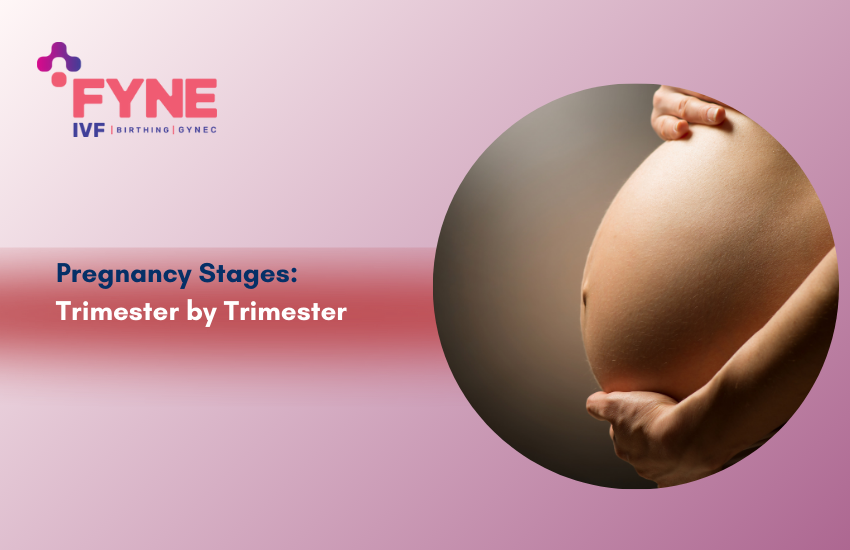
    What Happens in Each Trimester of Pregnancy? Understanding the Stages

    Pregnancy is an exciting and transformative journey, but it can also be overwhelming, especially for first-time mothers. One of the most critical aspects of this journey is understanding the stages of pregnancy, known as trimesters. Each trimester brings its own set of developments, both for the baby and the mother.
    In this blog, we’ll take a closer look at what happens during each of the three pregnancy trimesters and how they impact your body and your growing baby.

    What Are the 3 Trimesters of Pregnancy?

    Pregnancy is divided into three trimesters, each lasting around 12–13 weeks, with the entire pregnancy lasting approximately 40 weeks. Each trimester serves a unique purpose in fetal development and maternal changes, and understanding these stages can help you better prepare for what’s to come.

    • First Trimester (Weeks 1–12): This is when fertilisation occurs, and the embryo starts to form. It is also when many early pregnancy symptoms begin.
    • Second Trimester (Weeks 13–26): The baby grows rapidly, and many women start to feel more energetic. It is also a time when the gender of the baby may be determined.
    • Third Trimester (Weeks 27–40): The final stretch of pregnancy, where the baby continues to grow, and the body prepares for labour and delivery.

    The First Trimester (Weeks 1–12)


    The first trimester is marked by the very beginning of pregnancy. It is the phase when the fertilised egg becomes an embryo and begins developing into a baby.

    What Happens During the First Trimester

    • Fertilisation and Implantation: After fertilisation, the egg travels down the fallopian tube and implants into the uterine wall, beginning the pregnancy.
    • Early Development: The heart begins to beat, and the organs start to form. Tiny limb buds also appear.
    • Placenta Formation: The placenta begins to develop, providing nutrients and oxygen to the baby.

    Mother’s Body During the First Trimester

    This trimester can be physically and emotionally challenging for many women. Symptoms like morning sickness, fatigue, and breast tenderness are common. Hormonal fluctuations may lead to mood swings, and bloating may also occur.

    The Second Trimester (Weeks 13–26)

    The second trimester is often called the “honeymoon period” of pregnancy because many of the initial pregnancy symptoms, such as nausea and fatigue, start to subside. This is when the baby grows rapidly, and the mother’s body starts adjusting to the changes.

    What Happens During the Second Trimester

    • Growth Spurt: The baby’s organs continue to develop, and the baby starts to move. The mother can begin to feel the baby’s kicks around weeks 16-18.
    • Facial Features and Limbs: The baby’s facial features become more distinct, and the limbs lengthen.

    Mother’s Body During the Second Trimester

    Many women experience an increase in energy during this stage. As the belly grows, so does the discomfort from carrying extra weight. However, the risks of miscarriage and other complications decrease significantly by the end of the second trimester.

    The Third Trimester (Weeks 27–40)

    The third trimester is the final stretch of pregnancy, where the baby continues to grow and develop. This stage prepares both the baby and the mother for childbirth.

    What Happens During the Third Trimester

    • Rapid Growth: The baby gains weight and grows rapidly, with the brain, lungs, and digestive systems maturing. By now, the baby can open its eyes, respond to light, and even suck its thumb.
    • Fat Deposits: The baby starts to accumulate fat under the skin, which will help regulate its body temperature after birth.
    • Movement: The baby’s movements become more noticeable as it runs out of room in the womb.

    Mother’s Body During the Third Trimester

    As the baby grows, the mother’s body faces more strain. The uterus puts pressure on the bladder, leading to frequent urination. Many women experience back pain, swollen feet, and difficulty sleeping. Hormonal changes begin preparing the body for labour, and some women may experience Braxton Hicks contractions, which are the body’s way of practising for delivery.

    Key Differences Between Each Trimester

    Each trimester is distinct in terms of fetal development and maternal changes:

    • First Trimester: This is the crucial time for early development, with organ formation and the beginning of pregnancy symptoms.
    • Second Trimester: The baby experiences rapid growth, and the mother’s symptoms often improve, providing relief.
    • Third Trimester: The final stretch before childbirth, where the baby matures and prepares for life outside the womb. Mothers experience increasing physical discomfort as the due date nears.

    Tips for Each Trimester

    First Trimester

    • Stay hydrated and eat small, frequent meals to combat nausea.
    • Take prenatal vitamins as prescribed by your healthcare provider.
    • Get enough rest to combat fatigue.

    Second Trimester

    • Engage in light exercise, such as walking or swimming, to help with energy levels.
    • Manage stress by taking breaks and staying active.
    • Track your baby’s growth by attending regular check-ups.

    Third Trimester

    • Prepare for labour by attending birthing classes and discussing your birth plan.
    • Rest as much as possible to ease discomfort.
    • Keep a bag packed with everything you need for the hospital.

    In Conclusion

    Each trimester of pregnancy is unique and brings its own set of exciting milestones. From the early developments of your baby to the emotional and physical changes you experience, understanding these stages will help you prepare for the journey ahead. Whether you are currently pregnant or planning to start your family, knowing what to expect can help you feel more empowered and informed.
    Remember, no matter the stage, you don’t have to go through it alone. Regular visits to your healthcare provider will guide you through each trimester, ensuring both you and your baby are healthy and happy throughout the pregnancy.

    Take Control of Your Pregnancy Journey with FYNE IVF

    If you’re looking for expert guidance and support during your pregnancy, FYNE IVF is here for you. With our compassionate care and personalised fertility services, we ensure that you have everything you need to navigate each stage of your pregnancy with confidence. Contact us for expert support throughout your pregnancy journey.

    FAQs

    What are the key milestones in each trimester of pregnancy?
    • First Trimester: Fertilisation, implantation, and early fetal development. Second
    • Trimester: Growth spurt, fetal movements, and organ development. Third Trimester:
    • Rapid growth, fat accumulation, and preparation for delivery.
      How long does each trimester last? Each trimester lasts approximately 12–13 weeks, with the entire pregnancy lasting around 40 weeks.   When do I feel my baby move during pregnancy? You may start feeling your baby move around the 16th–18th week of pregnancy, usually during the second trimester.   Why do I feel more tired in the first trimester? Increased levels of pregnancy hormones can cause fatigue during the first trimester, a common symptom in early pregnancy.   How can I prepare for labour during the third trimester? Start by attending birthing classes, discussing your birth plan, and ensuring your hospital bag is ready as you approach your due date.
  • Diet and Fertility: Foods That Can Help Improve Your Chances of Conception

    Diet and Fertility: Foods That Can Help Improve Your Chances of Conception

    When it comes to conception, diet plays a vital role in both men’s and women’s fertility. The foods we eat impact our reproductive health, hormone regulation, sperm quality, and egg health. By making intelligent dietary choices, you can maximise your chances of conception and create a healthier environment for pregnancy. In this blog, we’ll explore which foods can help boost fertility and how diet supports your fertility journey.

    Key Nutrients That Support Fertility

    Certain nutrients are essential for supporting fertility and reproductive health. Incorporating these nutrients into your diet can boost egg and sperm quality, hormone regulation, and the overall chances of successful conception.

    • Folate: Important for women trying to conceive, folate helps with healthy cell division and reduces the risk of birth defects. It can be found in leafy greens, beans, fortified cereals, and citrus fruits.
    • Zinc: Crucial for sperm production in men and ovulation in women. Zinc supports reproductive function and is found in pumpkin seeds, lentils, chickpeas, paneer, and cashews.
    • Omega-3 Fatty Acids: These healthy fats reduce inflammation and promote hormone production. Omega-3s are abundant in flaxseeds, walnuts, chia seeds, and fatty fish like mackerel (bangda) and sardines (pedvey).
    • Antioxidants: Vitamins C and E, found in fruits like oranges, papaya, strawberries, and spinach, help protect eggs and sperm from harm caused by oxidative stress. They also support overall immune health.
    • Vitamin D: Inadequate levels of vitamin D have been linked to infertility. Vitamin D is essential for hormonal balance and can be found in fortified foods, sunlight, egg yolks, and mushrooms.

    Fertility-Boosting Foods for Women

    A woman’s fertility is directly influenced by her diet. Here are some foods from the Indian diet that can support healthy reproductive function:

    • Leafy Greens: High in folate, magnesium, and iron, spinach, methi (fenugreek), sarson (mustard greens), and drumstick leaves are key to hormone regulation and the health of reproductive organs.
    • Berries: Rich in antioxidants, berries like strawberries, blueberries, and blackberries are often hard to find locally but can be substituted with amla (Indian gooseberry) and papaya, both rich in vitamin C and antioxidants.
    • Nuts and Seeds: These are packed with healthy fats, zinc, and vitamin E, which support overall reproductive health. Almonds, walnuts, chia seeds, flaxseeds, and sunflower seeds are excellent choices.
    • Whole Grains: Foods like quinoa, brown rice, barley, millets (ragi, bajra), and oats are rich in fibre and help regulate blood sugar levels, essential for hormonal balance.
    • Plant-Based Proteins: Opting for plant-based proteins such as lentils (dal), chickpeas (chole), tofu, and soy can help maintain a healthful weight and decrease inflammation.
    • Healthy Fats: Avocados, olive oil, and ghee (clarified butter) are ample sources of healthy fats that support hormone production and overall fertility.

    Fertility-Boosting Foods for Men

    Just like women, men also benefit from a healthy diet that supports sperm quality and motility. Here’s what men should include in their diet to boost fertility:

    • Zinc-Rich Foods: Zinc is integral for sperm production and motility. Men should consume foods like pumpkin seeds, cashews, lentils, and oysters.
    • Selenium: Found in Brazil nuts, sunflower seeds, fish, and eggs, selenium helps protect sperm from oxidative stress and improves sperm motility.
    • Antioxidant-Rich Fruits and Vegetables: Vitamin C and E-rich fruits like oranges, strawberries, and papaya help protect sperm from DNA damage and improve overall sperm health.
    • Healthy Fats: Omega-3 fatty acids, found in foods like walnuts, flaxseeds, chia seeds, and fatty fish, improve sperm quality by reducing inflammation and supporting hormone function.
    • Protein Sources: Lean meats, fish, and plant-based proteins like tofu, legumes, and lentils are essential for hormone balance and overall health, contributing to improved sperm quality.
    • Limit Processed Meats and Alcohol: Reducing processed meat and alcohol consumption helps protect sperm health and overall fertility.

    Lifestyle Habits That Complement a Fertility-Friendly Diet

    In addition to eating a balanced diet, adopting healthy lifestyle habits can further support your fertility:

    • Hydration: Staying well-hydrated supports overall health and fertility. Aim for at least 8 glasses of water a day.
    • Limiting Caffeine: Excessive caffeine can negatively impact fertility, especially for women. Limit your intake to 1–2 cups daily.
    • Maintaining a Healthy Weight: Both underweight and overweight individuals can face fertility challenges. Maintaining an adequate weight through balanced eating and regular exercise can optimise fertility.
    • Sleep and Stress Management: Adequate sleep and stress management are essential for hormone regulation and reproductive health. Practices like yoga, meditation, and breathing exercises can decrease stress levels.

    Foods and Substances to Avoid for Better Fertility

    While certain foods support fertility, others can have the opposite effect. Here are foods and substances to limit or avoid:

    • Trans Fats and Processed Foods: These can cause hormonal imbalances and increased inflammation, which may impact fertility.
    • Excessive Caffeine: Abnormal caffeine consumption has been linked to infertility, so it’s essential to keep your intake in check.
    • Unhealthy Fats and Fast Food: Avoid trans fats and fast food high in unhealthy fats. These can disrupt hormonal balance and reduce fertility.
    • Unpasteurised Dairy Products: These can contain harmful bacteria that may increase the risk of infections affecting fertility.

    Bottom Line

    Your dietary choices play an integral role in supporting fertility and boosting the chances of conception. By including nutrient-dense, fertility-boosting foods like leafy greens, berries, nuts, and healthy fats in your diet, you can optimise your reproductive health. Along with proper nutrition, maintaining a healthy lifestyle, managing stress, and limiting harmful substances will further enhance your fertility journey.
    If you’re ready to take control of your fertility health, consult with a fertility expert to get personalised dietary and lifestyle advice tailored to your needs. Remember, a balanced, nutrient-rich diet is fundamental for building a foundation for a successful pregnancy.

    Experience Premiere Fertility Services at FYNE IVF Pune

    At FYNE IVF, we understand that fertility is a combination of physical and emotional health. That’s why we provide holistic care, including personalised nutritional guidance and advanced fertility treatments, to optimise your chances of conception. Our expert team is here to support you every step of the way on your fertility journey. Book your consultation today!

    Frequently Asked Questions (FAQs)

    1. Can diet alone improve fertility?

    While diet is a powerful factor, it works best alongside medical care and healthy lifestyle habits.

    2. How quickly can diet changes affect fertility?

    Positive changes may impact fertility within a few months, but it varies per individual.

    3. Are supplements necessary for fertility?

    Supplements can help fill nutritional gaps but should be taken under medical guidance.

    4. Can men’s diet affect sperm quality?

    Yes, a nutrient-rich diet can improve sperm count, motility, and overall quality.

    5. Is it safe to consume fish while trying to conceive?

    Certain fish are beneficial, but it’s important to avoid high-mercury varieties.