


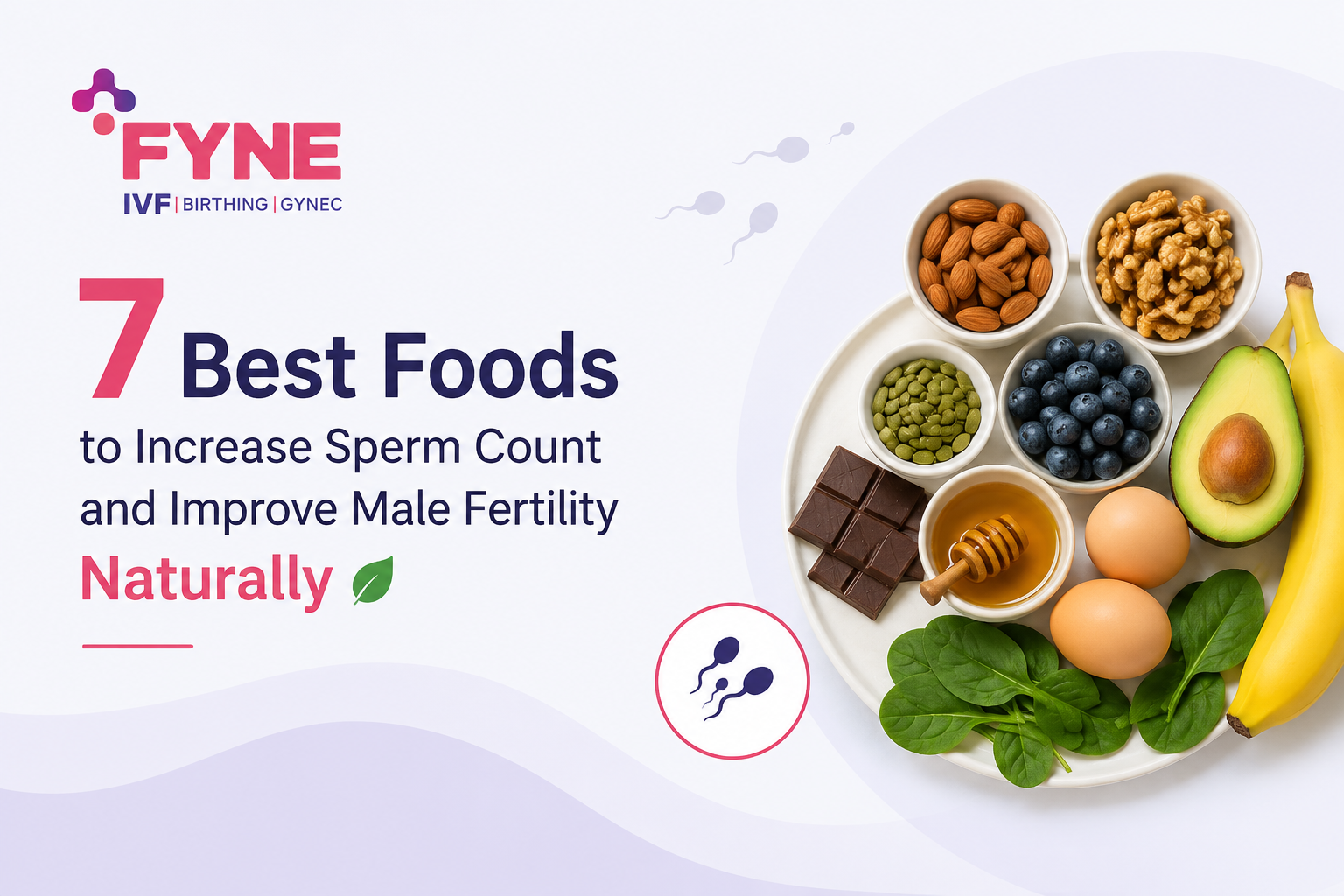
Sperm health plays an important role in fertility, and many men want to know whether food and lifestyle changes can improve semen quality. A balanced diet may support sperm count, motility, hormone balance, and overall reproductive health, especially when poor nutrition or lifestyle factors are contributing.
However, diet alone cannot treat every cause of male infertility. If you are looking for a diet to increase seminal fluid or improve sperm health, it is also important to understand when semen analysis and fertility evaluation are needed.
What Is Seminal Fluid and Why Does It Matter?
Semen contains sperm along with fluid from the male reproductive glands. This seminal fluid helps transport, nourish, and protect sperm during ejaculation.
However, semen volume alone does not confirm fertility. A man may have normal-looking semen but still have low sperm count, poor motility, or abnormal sperm shape. Similarly, lower semen volume does not always mean infertility.
A semen analysis gives a clearer picture by checking sperm count, movement, shape, semen volume, and other parameters.
Can Diet Increase Seminal Fluid and Sperm Count?
A healthy diet can support sperm production, antioxidant protection, hormone function, and overall semen health. It may help when poor nutrition, obesity, smoking, alcohol, stress, poor sleep, or sedentary habits are affecting fertility.
However, if sperm count is very low, semen volume is reduced, or reports are abnormal, medical evaluation is important. Conditions such as varicocele, infections, hormonal imbalance, diabetes, testicular injury, or genetic factors may need treatment.
Food can support male fertility, but it should not replace proper diagnosis.
7 Best Foods to Support Male Fertility
1. Eggs
Eggs provide protein, vitamin B12, and other nutrients that support general health and sperm production. Protein is important for hormone function and tissue repair.
Eggs can be included as part of a balanced diet unless restricted due to a medical condition.
2. Nuts and Seeds
Nuts and seeds such as walnuts, almonds, pumpkin seeds, sunflower seeds, flaxseeds, and chia seeds may support male fertility because they contain healthy fats, zinc, selenium, vitamin E, and antioxidants.
Zinc and selenium are important for sperm production and sperm quality. These foods should be eaten in moderation because they are calorie-dense.
3. Fruits Rich in Vitamin C
Vitamin C-rich fruits such as amla, oranges, guava, lemon, berries, and sweet lime provide antioxidant support. Antioxidants help protect sperm from oxidative stress, which can affect sperm quality.
Adding fruits to daily meals is a simple way to improve overall nutrition and support reproductive health.
4. Green Leafy Vegetables
Green leafy vegetables such as spinach, methi, coriander, amaranth, and broccoli provide folate, minerals, fibre, and antioxidants.
Folate supports cell function and may contribute to healthy sperm production. Leafy vegetables also help improve overall metabolic health, which can indirectly support fertility.
5. Fish or Omega-3 Sources
Omega-3 fats support sperm membrane health and may help overall reproductive function. Fatty fish can be a useful source for those who eat non-vegetarian food.
Vegetarian sources include flaxseeds, chia seeds, walnuts, and some fortified foods. These can be added to meals or snacks in suitable quantities.
6. Whole Grains and Pulses
Whole grains and pulses such as oats, brown rice, millets, dal, chana, rajma, and sprouts provide fibre, protein, B vitamins, and steady energy.
They also support weight management and blood sugar control, which can be important because obesity and metabolic problems may affect sperm health.
7. Dairy or Curd
Milk, curd, paneer, and other dairy foods provide protein, calcium, and important nutrients. Curd may also support gut health as part of a balanced diet.
If weight gain, cholesterol, or digestive issues are concerns, choose portions carefully and follow medical or dietician advice.
Foods and Habits to Limit
To support sperm health, limit excess sugar, fried foods, highly processed foods, frequent junk food, tobacco, excessive alcohol, and unnecessary supplements.
Avoid overheating the testicular area through frequent saunas, prolonged hot baths, or tight clothing if advised. Also avoid taking hormonal supplements, testosterone boosters, or gym steroids without medical guidance, as these may harm fertility.
Final Thoughts
Diet, hydration, sleep, stress control, healthy weight, and avoiding tobacco or excess alcohol can support sperm health and may help improve semen quality in some men. However, persistent low sperm count, low semen volume, or abnormal semen reports need proper fertility evaluation.
If you need semen analysis, male fertility evaluation, lifestyle guidance, or personalised treatment planning, consult Fyne IVF, Pune, for expert fertility support.
FAQs
What is the best diet to increase seminal fluid?
The best diet to increase seminal fluid should include adequate water, protein, fruits, vegetables, nuts, seeds, whole grains, pulses, and healthy fats. Avoid crash diets, smoking, excessive alcohol, and highly processed foods.
What are the ways to increase seminal fluid naturally?
Three ways to increase seminal fluid naturally include improving diet and hydration, reducing smoking and alcohol, and improving sleep, stress control, activity levels, and weight management.
Does semen volume mean sperm count is good?
No. Semen volume alone does not confirm sperm count or fertility. A semen analysis is needed to check sperm count, motility, shape, and other semen parameters.
When should a man get a semen analysis?
A man should get a semen analysis if the couple has been trying to conceive for 12 months, or 6 months if the female partner is above 35. It is also advised after failed fertility treatment or known male fertility concerns.
Can male infertility be treated?
Yes, many causes of male infertility can be treated or managed depending on the diagnosis. Treatment may include lifestyle changes, medicines, surgery, ICSI, TESA/PESA, or other fertility options.