Category: IVF in Pune

  • Low AMH, High Hope: How Modern IVF Treatments Help You Conceive

    Low AMH, High Hope: How Modern IVF Treatments Help You Conceive

    A low AMH (Anti-Müllerian Hormone) level can be a source of concern for women hoping to conceive. While low AMH is often associated with a lower ovarian reserve and a reduced number of eggs, it doesn’t mean pregnancy is impossible. Modern IVF techniques and advancements in fertility treatments offer hope, even for those with low AMH.
    The purpose of this blog is to shed light on how modern IVF treatments can help women with low AMH overcome challenges and achieve their dreams of parenthood.

    What Does Low AMH Mean?

    AMH is a hormone produced by the ovaries, and it reflects the number of eggs remaining in a woman’s ovarian reserve. Low AMH levels generally indicate that a woman has fewer eggs left, which can make it more challenging to conceive. However, a low AMH level does not automatically mean that pregnancy is impossible. Many women with low AMH still have viable eggs, and with the right fertility treatments, they can achieve pregnancy.
    It’s also important to note that AMH levels don’t provide the full picture. They only reflect quantity, not quality, and there are women with low AMH who still respond well to fertility treatments and produce high-quality eggs. Therefore, while low AMH can pose challenges, it is not a definitive barrier to conception.

    How Modern IVF Treatments Help Women with Low AMH

    Although low AMH presents certain challenges, modern IVF treatments provide new opportunities for conception. Technological advancements and new techniques, such as IVM, and ICSI, are designed to optimise success rates for women with low AMH.

    In Vitro Maturation (IVM): A Lab-Based Solution for Immature Eggs

    In Vitro Maturation (IVM) is another breakthrough in fertility treatment, especially for women with low AMH. IVM involves the retrieval of immature eggs, which are then matured in the laboratory before fertilisation. This technique can be highly beneficial for women who may not respond well to traditional IVF stimulation protocols or for those with low AMH who have fewer but potentially viable eggs.
    By allowing eggs to mature outside the body, IVM provides an additional option for women seeking to maximise the potential of their eggs. While IVM is not as widely used as traditional IVF, it offers a promising solution for those with low AMH who still wish to try IVF with their own eggs.

    Intracytoplasmic Sperm Injection (ICSI): A Precise Fertilisation Method

    ICSI is a technique often used in IVF when there are concerns about egg quality, sperm quality, or when male factor infertility is present. In ICSI, a single sperm is injected directly into an egg, which increases the chances of fertilisation. This method is particularly effective for women with low AMH, where fertilisation might be a concern due to egg quality.
    With ICSI, the fertilisation process becomes much more controlled and precise, ensuring the best possible chance of success for each retrieved egg. This method increases fertilisation rates, which is essential for women with low AMH who might have a limited number of eggs to work with.

    Egg Donation: A Viable Option for Very Low AMH

    For women with extremely low AMH or no viable eggs left, egg donation offers a solution. In cases where a woman’s own eggs are no longer feasible, using a donor egg allows her to carry a pregnancy. The donated egg, typically from a younger, healthy donor, can be fertilised through IVF and then implanted into the woman’s uterus.
    Egg donation can be a highly effective option for women who want to experience pregnancy and childbirth but have a very low ovarian reserve or diminished egg quality. While it may not be the first choice for every woman, egg donation can provide hope and the possibility of building a family for women with significantly reduced ovarian reserves.

    Lifestyle and Diet Support to Improve Egg Health

    Even with low AMH levels, lifestyle changes can significantly improve egg quality and support fertility. Although AMH levels cannot be increased, there are many ways to optimise the health of the remaining eggs and improve the chances of conception. Here are some key strategies:

    • Dietary Changes: A healthy, balanced diet rich in antioxidants, healthy fats, and whole grains can protect eggs from oxidative stress and improve overall fertility. Foods such as berries, nuts, seeds, and leafy greens are especially beneficial for reproductive health.
    • Supplements: Certain supplements can also support egg quality and reproductive health. Coenzyme Q10 (CoQ10) is known to improve egg quality, while vitamin D and folic acid can also help maintain a healthy reproductive system.
    • Reducing Stress: High stress levels can negatively impact fertility. Practices like yoga, meditation, and deep breathing can help reduce stress and support overall well-being. Managing stress can be a critical component of improving fertility and achieving success during IVF treatment.

    Emotional Support During IVF with Low AMH

    The emotional journey of IVF with low AMH can be challenging. Many women may experience frustration, fear, and disappointment, especially when they are not seeing immediate results. It’s important to acknowledge these emotions and seek support.
    Whether from loved ones, online communities, or professional counselling, emotional support plays a critical role in managing stress and improving the chances of success. Many women find it helpful to connect with others who are going through similar experiences. Fertility treatments can be emotionally taxing, but maintaining mental health and well-being can make a significant difference in the IVF process.

    In Conclusion

    Low AMH can seem daunting, but with modern IVF treatments and the right approach, there’s still hope for women hoping to conceive. Techniques such as IVM, ICSI, and even egg donation offer viable paths to pregnancy. These treatments, combined with lifestyle changes, emotional support, and personalised care, can help women with low AMH achieve their dream of parenthood.
    If you’re struggling with low AMH, it’s important to remember that while it presents challenges, it doesn’t make pregnancy impossible. With the advancements in IVF technology, there is more hope than ever before. By working closely with a fertility expert, you can discover the best course of action tailored to your unique situation.

    Start Your IVF Journey Today

    If you’ve been diagnosed with low AMH and are feeling unsure about your fertility future, modern IVF treatments can help. Book a consultation with Dr Deepali Chinchole, a renowned fertility expert in Pune at FYNE IVF, today and explore the best options to increase your chances of successful conception. Your dream of parenthood may be closer than you think.

    FAQs

    What does low AMH mean for fertility?

    Low AMH means fewer eggs remain in the ovaries, which can reduce fertility, but it doesn’t make pregnancy impossible. Many women with low AMH conceive with the right fertility treatment. 

    Can IVF work with low AMH?

    Yes, IVF is often recommended for women with low AMH, with techniques like ICSI, or egg donation helping increase the chances of successful conception. 

    Can I improve my egg quality with low AMH?

    While AMH cannot be increased, lifestyle changes like a healthy diet, supplements like CoQ10, and stress reduction can help optimise egg quality and improve fertility. 

    What is ICSI, and how does it help with low AMH?

    ICSI (intracytoplasmic sperm injection) involves injecting a single sperm directly into an egg to enhance fertilisation. It’s beneficial for women with low AMH, ensuring higher fertilisation rates and IVF success.

  • What Should I Do If I Am Unable to Become Pregnant Naturally?

    What Should I Do If I Am Unable to Become Pregnant Naturally?

    Trying to conceive can be one of life’s most emotional journeys, and it can feel deeply frustrating when pregnancy doesn’t happen despite repeated efforts. Many couples experience this, and it’s important to know that you are not alone. Infertility affects millions worldwide, and there are medical reasons and solutions to explore. This blog explains why some couples are unable to get pregnant naturally, when to seek help, and the fertility treatments available.

    Understanding Fertility and Timing

    Conception is a delicate process that depends on several factors: ovulation, sperm health, fallopian tube function, and the timing of intercourse. Couples often focus on trying every day, but conception is most likely during the fertile window, the 5–6 days leading up to ovulation. Even in healthy couples, it can take 6–12 months to achieve pregnancy. Infertility is defined as trying for 12 months without success, or 6 months if the woman is over 35. Understanding these timelines can reduce anxiety and help couples approach fertility in a realistic and informed way.

    Possible Causes of Being Unable to Become Pregnant

    In Women:

    • Ovulation Problems: Conditions like PCOS, thyroid disorders, or irregular cycles can prevent regular ovulation.
    • Blocked Fallopian Tubes: Scarring or damage can stop the egg from meeting the sperm.
    • Endometriosis: Tissue growth outside the uterus may interfere with conception.
    • Age-Related Decline: Egg quality and quantity naturally decline with age, affecting fertility.

    In Men:

    • Low Sperm Count or Poor Motility: This reduces the chance of fertilisation.
    • Hormone Imbalances: Testosterone or other hormonal issues can affect sperm production.
    • Lifestyle Factors: Smoking, excessive alcohol, and a poor diet can impact fertility.

    When Should You Seek Medical Help?

    If pregnancy has not occurred after 12 months of trying or after 6 months if you are over 35, it’s time to consult a fertility specialist. Repeated failed pregnancies or miscarriages, irregular menstrual cycles, pelvic pain, or abnormal semen analysis results also warrant medical attention. Early evaluation can identify treatable causes and increase the likelihood of a successful pregnancy. 

    First Steps: Medical Evaluation

    A thorough medical assessment is the first step for couples unable to conceive naturally.

    For Women:

    • Blood tests for hormones such as FSH, LH, AMH, and thyroid function.
    • Ultrasound to examine ovarian and uterine health.
    • HSG (hysterosalpingogram) to check for blocked fallopian tubes.

    For Men:

    • Semen analysis to evaluate sperm count, motility, and morphology.
    • Hormonal profile to identify potential issues affecting fertility.

    Combined evaluation for both partners ensures a comprehensive understanding of fertility health. Personalised assessment is crucial to determine why natural conception has not occurred and to guide the right treatment plan.

    Lifestyle Changes That Can Improve Fertility

    Small changes in daily habits can positively affect fertility for both men and women:

    • Maintain a healthy weight to balance hormones and improve ovulation.
    • Eat a nutrient-rich diet with antioxidants, folate, and vitamins.
    • Limit alcohol, caffeine, and avoid smoking.
    • Manage stress through yoga, meditation, or counselling.
    • Engage in regular moderate exercise without overexertion.

    While lifestyle changes alone may not guarantee pregnancy, they support overall reproductive health and improve the chances of success with medical treatments.

    Emotional Impact & Coping

    Being unable to conceive naturally can cause stress, depression, and strain on relationships. Emotional well-being is as important as physical health during this journey. Counselling, support groups, and holistic care offered at fertility clinics help couples manage anxiety and maintain a positive mindset. Understanding that infertility is common and treatable can reduce feelings of isolation and support mental health throughout the process.

    In Conclusion

    Being unable to become pregnant naturally is a common challenge, but it is not the end of the road. Understanding the causes, making lifestyle changes, and seeking medical evaluation can significantly improve your chances of recovery. Early intervention and personalised care can make a significant difference in achieving pregnancy.

    Begin Your IVF Journey with Confidence

    At FYNE IVF Pune, we offer advanced fertility treatments tailored to your unique needs. Our experienced doctors provide compassionate guidance and the latest technology to support your journey toward parenthood. Don’t wait, take the first step today. Book a consultation now and explore the best options to increase your chances of a successful pregnancy.

    FAQs

    Does being unable to become pregnant mean I’ll never conceive?

    Not necessarily. Many couples conceive with the help of lifestyle changes, medical evaluation, and fertility treatments. 

    How soon should I try IVF after a failed pregnancy?

    Consultation is recommended as soon as the evaluation shows underlying issues. Timing depends on age, health, and prior fertility history. 

    Is infertility always permanent?

    No. Infertility can be temporary or treatable depending on the cause. Many couples conceive naturally or with assisted treatments. 

    Can lifestyle changes alone improve the chances of pregnancy?

    Lifestyle adjustments support overall reproductive health but may not be sufficient if medical issues exist. Combining changes with medical care increases the success rate. 

    What if repeated IVF attempts fail?

    Advanced procedures, donor eggs or sperm, and personalised treatment plans can increase chances. Emotional support is also vital during this stage.

  • IVF Cost in Pune: A Transparent 2025 Breakdown

    IVF Cost in Pune: A Transparent 2025 Breakdown

    Understanding the cost of IVF is a crucial first step. Many patients feel overwhelmed by unclear pricing. We believe in complete transparency. This guide provides a detailed breakdown of IVF costs in Pune for 2025. You will see what to expect and why prices vary.

    A single IVF cycle typically ranges from ₹2,00,000 to ₹3,50,000. Your final cost depends entirely on your personal medical situation.

    What makes up the total IVF cost?

    The final amount is not one single fee. It is the sum of several distinct parts.

    • Consultations and Diagnostic Tests
      This includes your first meetings with the doctor. It also covers all necessary blood tests and ultrasound scans. These steps confirm you are a good candidate for IVF and create a safe treatment plan.
    • The Core Medical Procedure
      This part involves the egg retrieval and the embryo transfer. The fee includes the surgical team, anesthesia drugs, and use of the operation theatre for these procedures.
    • Fertility Medications
      These drugs stimulate your ovaries to produce multiple eggs. Medication type and dosage differ for every patient. This causes the largest variation in cost between individuals. Some patients need simpler protocols, while others need more complex ones.
    • Embryology Laboratory Services
      After retrieval, your eggs and embryos are cared for in our lab. This cost covers the fertilization process and the sophisticated environment needed to grow the embryos.

    Which factors increase the final price?

    Some medical situations require advanced techniques. These add-ons can increase the total cost but are often essential for success.

    • ICSI (Intracytoplasmic Sperm Injection)
      This is used for male factor infertility. Our embryologist selects a single sperm and injects it directly into an egg. This specialized technique requires extra skill and equipment.
    • Embryo Freezing
      If your cycle produces more good-quality embryos than can be transferred, freezing is an option. This cost includes the freezing process itself and the annual storage fees for preserving the embryos.
    • Preimplantation Genetic Testing (PGT)
      This advanced test screens embryos for genetic conditions before transfer. It is recommended for specific patients, such as those with a history of genetic disorders or recurrent pregnancy loss. PGT involves significant laboratory costs.
    • Surgical Sperm Retrieval
      For men with no sperm in their semen, a minor procedure can often retrieve sperm directly from the testicles. This is a separate surgical fee.
    • Donor Eggs or Sperm
      Using donor eggs or sperm significantly increases the total treatment cost. These costs cover donor screening, compensation, and legal fees.

    How can you manage the financial commitment?

    We know that IVF is a significant investment. Fyne IVF wants to make it more accessible.

    We offer structured payment plans. You can discuss EMI options with our team. We will work with you to find a manageable payment schedule. Check if your health insurance offers any partial coverage for infertility treatments. We provide all necessary documentation for your claims.

    Your next step is a personal consultation.

    The only way to know your exact cost is through a medical evaluation. We need to understand your unique history and needs.

    Contact Fyne IVF in Pune to schedule your appointment. We will provide a clear, itemized cost estimate for your specific treatment plan. You can make a confident decision with all the financial information in hand.

    Frequently Asked Questions: IVF Cost in Pune

    What is the starting price for basic IVF treatment?
    A basic cost of one cycle of IVF can range from 2 to 3.5 lac depending upon the procedures involved and medicines used. This starting price covers essential consultations, monitoring, egg retrieval, and a fresh embryo transfer. The final cost depends on your specific medication needs and diagnosis.

    Why does the cost of IVF vary so much between patients?
    The cost changes based on your body’s response. The type and dosage of fertility drugs form a major part of the expense. Some patients need simpler protocols. Others need more complex and expensive medications. Additional procedures like ICSI or genetic testing also increase the total.

    Does the quoted price include all my medicines?
    No. Medication costs are usually separate. Your drug protocol is personalized. We provide a clear estimate for these drugs before you start treatment. This allows you to budget accurately.

    What is the difference between a fresh and frozen embryo transfer cost?
    A fresh transfer is often included in the main cycle cost. A frozen embryo transfer is a separate procedure. It costs extra because it involves thawing the frozen embryos and preparing your uterus for implantation.

    Do you offer refunds if the IVF cycle is not successful?
    IVF success cannot be guaranteed. We do not offer refunds for a cycle that does not result in a pregnancy. The fee covers the medical procedures, lab work, and expertise provided throughout your treatment.

    What is included in your IVF package?
    Our packages typically include monitoring scans, the egg retrieval procedure, fertilization, and embryo culture. They also include a fresh embryo transfer. Packages do not usually cover initial consultations, specific drugs, or advanced add-ons like ICSI or freezing.

    Do you provide financing or EMI options?
    Yes. Fyne IVF offers financing plans. You can discuss EMI options with our financial counselor. We aim to make treatment more accessible through manageable monthly payments.

    How much does embryo freezing cost?
    Embryo freezing involves a one-time fee for the freezing process. This is followed by an annual storage fee. We will provide you with the current rates for both during your consultation.

    Are there any hidden costs I should know about?
    We practice transparent pricing. We provide a detailed, itemized cost estimate before you begin treatment. This estimate lists all expected charges. There are no hidden fees.

    Should I choose a clinic based only on the lowest price?
    The lowest price may not offer the best value. Consider the clinic’s expertise, success rates, and laboratory quality. Advanced labs and experienced doctors often justify a higher cost through better outcomes.

    How can I get a final, exact cost for my treatment?
    You need a personal medical consultation. After reviewing your history and conducting tests, we can create a tailored treatment plan. We will then provide a precise, final cost estimate.

  • Common Causes of Female Infertility & How to Address Them

    Common Causes of Female Infertility & How to Address Them

    Infertility affects many women, and the emotional toll it takes can be overwhelming. It is generally defined as the inability to conceive after one year of trying without success. Infertility is not just a “woman’s issue” – it can be a shared challenge for both partners. However, the good news is that many causes of female infertility are treatable. With early diagnosis and personalised treatment plans, the path to parenthood can still be achievable.

    Read on and learn about the most common causes of female infertility, including ovulation disorders, fallopian tube damage, and age-related decline in fertility. We will also discuss the treatments available to help address these issues and enhance your chances of conception.

    Ovulation Disorders

    Ovulation disorders are one of the most common causes of female infertility. These disorders can prevent the release of a healthy egg, making conception difficult. Common conditions include:

    • Polycystic Ovary Syndrome (PCOS): A hormonal imbalance that disrupts ovulation.
    • Thyroid Dysfunction: An underactive or overactive thyroid can affect your menstrual cycle and ovulation.
    • Irregular Cycles: Women with irregular cycles may struggle with ovulation, making it harder to predict the optimal time for conception.

    Symptoms of ovulation issues can include irregular periods, excess hair growth, weight gain, and acne (in the case of PCOS). A thorough diagnosis can be done through blood tests and ultrasounds to measure hormone levels and assess ovarian function.

    How IVF Addresses It:

    • Ovulation Induction: Medications are prescribed to stimulate ovulation.
    • Timed Intercourse: For women with predictable ovulation patterns, monitored cycles can maximise chances of conception.
    • IVF: In more challenging cases, IVF (In Vitro Fertilisation) can bypass ovulation issues entirely by directly fertilising eggs outside the body.

    Fallopian Tube Damage or Blockage

    Blocked or damaged fallopian tubes are a significant barrier to conception. Infections, endometriosis, and previous surgeries (such as pelvic or abdominal surgeries) are common causes of damage to the tubes. The fallopian tubes are essential for transporting the egg from the ovary to the uterus, and any damage can prevent fertilisation.

    How It’s Diagnosed:

    • Hysterosalpingography (HSG): A type of X-ray that checks the openness of the fallopian tubes.
    • Laparoscopy: A minimally invasive surgery used to inspect the fallopian tubes and remove any blockages or scar tissue.

    Treatment Options:

    • Tubal Surgery: In some cases, surgery can correct blockages.
    • IVF: IVF bypasses the fallopian tubes altogether, allowing for fertilisation and embryo transfer directly into the uterus.

    Endometriosis

    Endometriosis is a condition where tissue identical to the lining of the uterus develops outside the uterus. It can cause severe pain and impact fertility. Endometriosis often leads to scarring and adhesions, affecting the reproductive organs, particularly the ovaries and fallopian tubes. Commonly occurring symptoms include pelvic pain, painful periods, and pain during intercourse.

    Management:

    • Laparoscopy: This is a key procedure to diagnose and treat endometriosis by removing excess tissue.
    • Medical Therapy: Hormonal treatments can help manage the symptoms of endometriosis.
    • IVF with Embryo Freezing: For women with advanced endometriosis, IVF can provide a better chance of success. Embryo freezing allows for the preservation of healthy embryos, increasing the chances of pregnancy.

    Uterine or Cervical Abnormalities

    Uterine abnormalities, such as polyps, fibroids, and uterine septa, can interfere with implantation or the development of a healthy embryo. These issues often go undiagnosed until a couple struggles to conceive.

    Advanced diagnostic techniques like hysteroscopy and ultrasound can identify these abnormalities. In many cases, treatments like surgical removal of fibroids or polyps can improve fertility outcomes.

    Treatment Options:

    • Surgical Intervention: To remove any obstructions or abnormalities within the uterus.
    • IVF: IVF allows for a more controlled environment for embryo development, bypassing some of the issues caused by uterine conditions.

    Age-Related Decline in Fertility

    One of the most well-known causes of infertility is the decline in fertility with age. As women approach 35 years and beyond, both egg quality and egg quantity begin to decline, making conception more challenging. Women in this age group may experience diminished ovarian reserve, which can result in fewer eggs available for fertilisation.

    How Fertility Preservation Can Help:

    • Egg Freezing: For women who are delaying motherhood, egg freezing offers a way to preserve fertility at a younger age.
    • Donor Eggs: Women over 35 who struggle with low egg quality may opt for IVF with donor eggs, which has very high success rates.

    Lifestyle & Environmental Factors

    Lifestyle and environmental factors play a major role in fertility. Smoking, excessive alcohol consumption, poor diet, stress, and toxin exposure can all contribute to infertility. Counselling and wellness support are available for those looking to make positive lifestyle changes. Addressing these factors can greatly improve the chances of conception.

    In Conclusion: Moving Forward with Confidence

    Infertility can be an emotional and challenging journey, but understanding its causes and knowing your options for treatment is empowering. Whether it’s ovulation issues, endometriosis, or age-related fertility decline, there are treatments available to help you overcome these obstacles and take the next step on your path to parenthood.
    If you’re facing infertility and need expert advice, don’t hesitate to seek a fertility consultation. At FYNE IVF, we are here to provide you with the guidance, support, and treatment you need to realise your dream of starting a family. Book a consultation with us, and we will help you understand your fertility health and offer personalised treatment plans to enhance your chances of success.

    FAQs

    1. What are the most common causes of female infertility?
    The most common causes include ovulation disorders (like PCOS or thyroid issues), fallopian tube damage, endometriosis, uterine abnormalities, and age-related fertility decline.

    2. How does IVF help in treating female infertility?
    IVF (In Vitro Fertilisation) helps by bypassing ovulation issues, blocked tubes, or uterine abnormalities. It allows fertilisation outside the body and direct embryo transfer to the uterus.

    3. Can lifestyle changes improve female fertility?
    Yes, quitting smoking, reducing alcohol, eating a balanced diet, managing stress, and avoiding toxin exposure can improve reproductive health and fertility outcomes.

    4. At what age does female fertility start to decline?
    Female fertility typically starts to decline around age 35. Egg quality and quantity decrease with age, making conception more difficult over time.

    5. Is egg freezing a good option for women delaying pregnancy?
    Yes, egg freezing is an effective way to preserve fertility for women who wish to conceive later. It allows them to use younger, healthier eggs when ready for pregnancy.

  • Diet and Fertility: Foods That Can Help Improve Your Chances of Conception

    Diet and Fertility: Foods That Can Help Improve Your Chances of Conception

    When it comes to conception, diet plays a vital role in both men’s and women’s fertility. The foods we eat impact our reproductive health, hormone regulation, sperm quality, and egg health. By making intelligent dietary choices, you can maximise your chances of conception and create a healthier environment for pregnancy. In this blog, we’ll explore which foods can help boost fertility and how diet supports your fertility journey.

    Key Nutrients That Support Fertility

    Certain nutrients are essential for supporting fertility and reproductive health. Incorporating these nutrients into your diet can boost egg and sperm quality, hormone regulation, and the overall chances of successful conception.

    • Folate: Important for women trying to conceive, folate helps with healthy cell division and reduces the risk of birth defects. It can be found in leafy greens, beans, fortified cereals, and citrus fruits.
    • Zinc: Crucial for sperm production in men and ovulation in women. Zinc supports reproductive function and is found in pumpkin seeds, lentils, chickpeas, paneer, and cashews.
    • Omega-3 Fatty Acids: These healthy fats reduce inflammation and promote hormone production. Omega-3s are abundant in flaxseeds, walnuts, chia seeds, and fatty fish like mackerel (bangda) and sardines (pedvey).
    • Antioxidants: Vitamins C and E, found in fruits like oranges, papaya, strawberries, and spinach, help protect eggs and sperm from harm caused by oxidative stress. They also support overall immune health.
    • Vitamin D: Inadequate levels of vitamin D have been linked to infertility. Vitamin D is essential for hormonal balance and can be found in fortified foods, sunlight, egg yolks, and mushrooms.

    Fertility-Boosting Foods for Women

    A woman’s fertility is directly influenced by her diet. Here are some foods from the Indian diet that can support healthy reproductive function:

    • Leafy Greens: High in folate, magnesium, and iron, spinach, methi (fenugreek), sarson (mustard greens), and drumstick leaves are key to hormone regulation and the health of reproductive organs.
    • Berries: Rich in antioxidants, berries like strawberries, blueberries, and blackberries are often hard to find locally but can be substituted with amla (Indian gooseberry) and papaya, both rich in vitamin C and antioxidants.
    • Nuts and Seeds: These are packed with healthy fats, zinc, and vitamin E, which support overall reproductive health. Almonds, walnuts, chia seeds, flaxseeds, and sunflower seeds are excellent choices.
    • Whole Grains: Foods like quinoa, brown rice, barley, millets (ragi, bajra), and oats are rich in fibre and help regulate blood sugar levels, essential for hormonal balance.
    • Plant-Based Proteins: Opting for plant-based proteins such as lentils (dal), chickpeas (chole), tofu, and soy can help maintain a healthful weight and decrease inflammation.
    • Healthy Fats: Avocados, olive oil, and ghee (clarified butter) are ample sources of healthy fats that support hormone production and overall fertility.

    Fertility-Boosting Foods for Men

    Just like women, men also benefit from a healthy diet that supports sperm quality and motility. Here’s what men should include in their diet to boost fertility:

    • Zinc-Rich Foods: Zinc is integral for sperm production and motility. Men should consume foods like pumpkin seeds, cashews, lentils, and oysters.
    • Selenium: Found in Brazil nuts, sunflower seeds, fish, and eggs, selenium helps protect sperm from oxidative stress and improves sperm motility.
    • Antioxidant-Rich Fruits and Vegetables: Vitamin C and E-rich fruits like oranges, strawberries, and papaya help protect sperm from DNA damage and improve overall sperm health.
    • Healthy Fats: Omega-3 fatty acids, found in foods like walnuts, flaxseeds, chia seeds, and fatty fish, improve sperm quality by reducing inflammation and supporting hormone function.
    • Protein Sources: Lean meats, fish, and plant-based proteins like tofu, legumes, and lentils are essential for hormone balance and overall health, contributing to improved sperm quality.
    • Limit Processed Meats and Alcohol: Reducing processed meat and alcohol consumption helps protect sperm health and overall fertility.

    Lifestyle Habits That Complement a Fertility-Friendly Diet

    In addition to eating a balanced diet, adopting healthy lifestyle habits can further support your fertility:

    • Hydration: Staying well-hydrated supports overall health and fertility. Aim for at least 8 glasses of water a day.
    • Limiting Caffeine: Excessive caffeine can negatively impact fertility, especially for women. Limit your intake to 1–2 cups daily.
    • Maintaining a Healthy Weight: Both underweight and overweight individuals can face fertility challenges. Maintaining an adequate weight through balanced eating and regular exercise can optimise fertility.
    • Sleep and Stress Management: Adequate sleep and stress management are essential for hormone regulation and reproductive health. Practices like yoga, meditation, and breathing exercises can decrease stress levels.

    Foods and Substances to Avoid for Better Fertility

    While certain foods support fertility, others can have the opposite effect. Here are foods and substances to limit or avoid:

    • Trans Fats and Processed Foods: These can cause hormonal imbalances and increased inflammation, which may impact fertility.
    • Excessive Caffeine: Abnormal caffeine consumption has been linked to infertility, so it’s essential to keep your intake in check.
    • Unhealthy Fats and Fast Food: Avoid trans fats and fast food high in unhealthy fats. These can disrupt hormonal balance and reduce fertility.
    • Unpasteurised Dairy Products: These can contain harmful bacteria that may increase the risk of infections affecting fertility.

    Bottom Line

    Your dietary choices play an integral role in supporting fertility and boosting the chances of conception. By including nutrient-dense, fertility-boosting foods like leafy greens, berries, nuts, and healthy fats in your diet, you can optimise your reproductive health. Along with proper nutrition, maintaining a healthy lifestyle, managing stress, and limiting harmful substances will further enhance your fertility journey.
    If you’re ready to take control of your fertility health, consult with a fertility expert to get personalised dietary and lifestyle advice tailored to your needs. Remember, a balanced, nutrient-rich diet is fundamental for building a foundation for a successful pregnancy.

    Experience Premiere Fertility Services at FYNE IVF Pune

    At FYNE IVF, we understand that fertility is a combination of physical and emotional health. That’s why we provide holistic care, including personalised nutritional guidance and advanced fertility treatments, to optimise your chances of conception. Our expert team is here to support you every step of the way on your fertility journey. Book your consultation today!

    Frequently Asked Questions (FAQs)

    1. Can diet alone improve fertility?

    While diet is a powerful factor, it works best alongside medical care and healthy lifestyle habits.

    2. How quickly can diet changes affect fertility?

    Positive changes may impact fertility within a few months, but it varies per individual.

    3. Are supplements necessary for fertility?

    Supplements can help fill nutritional gaps but should be taken under medical guidance.

    4. Can men’s diet affect sperm quality?

    Yes, a nutrient-rich diet can improve sperm count, motility, and overall quality.

    5. Is it safe to consume fish while trying to conceive?

    Certain fish are beneficial, but it’s important to avoid high-mercury varieties.

  • The Role of Mental Health in Fertility: Coping with Stress During IVF

    The Role of Mental Health in Fertility: Coping with Stress During IVF

    Fertility treatments like IVF can be a rollercoaster of emotions. Alongside the physical demands, the mental and emotional strain can be overwhelming for many couples and individuals trying to conceive. Mental health plays a critical role in fertility, influencing not only your overall well-being but also potentially affecting treatment outcomes. This blog is here to help you learn how to manage stress and cope with the emotional challenges of IVF is essential for a healthier, more balanced journey toward parenthood.

    The Emotional Impact of Infertility and IVF

    Facing infertility can trigger a wide range of emotions, including anxiety, sadness, frustration, and feelings of isolation. The uncertainty of treatment outcomes and the pressure of timed cycles add to the emotional burden. Many patients describe the IVF process as an emotional rollercoaster, filled with hope, disappointment, and everything in between. Recognising these feelings as normal can help you better prepare and seek the support you need.

    How Stress Affects Fertility

    Stress does more than affect your mood, it can have direct physiological impacts on your reproductive system. High stress levels may disrupt the hormonal balance required for ovulation in women and can affect sperm quality in men. Stress may also interfere with embryo implantation by altering uterine receptivity. Scientific studies have shown that chronic stress can negatively impact IVF success rates, making stress management a crucial part of fertility care.

    Recognising Signs of Stress and Anxiety During IVF

    It’s important to identify signs of stress early to prevent it from escalating. Common symptoms include trouble sleeping, mood swings, irritability, and difficulty concentrating. Persistent feelings of anxiety or depression should never be ignored. If these symptoms interfere with your daily life or treatment, seeking professional psychological help can provide much-needed relief and coping mechanisms.

    Coping Strategies for Managing Stress During IVF

    There are several effective strategies to help manage stress during your fertility journey:

    • Mindfulness and Meditation: Practising mindfulness can reduce anxiety and improve emotional resilience.
    • Support Groups and Counselling: Sharing your experience with others facing similar challenges provides emotional comfort and practical advice.
    • Lifestyle Adjustments: Regular exercise, balanced nutrition, and adequate sleep support both mental and physical health.
    • Communication: Open, honest conversations with your partner and healthcare team can alleviate feelings of isolation and uncertainty.

    The Role of Fertility Clinics in Supporting Mental Health

    Fertility clinics understand the importance of mental health in fertility treatment. Many offer integrated psychological support services such as counselling and stress management programs tailored to fertility patients. This holistic approach ensures that emotional well-being is nurtured alongside physical care, enhancing the overall treatment experience and outcomes.

    Final Thoughts

    Mental health plays a vital role throughout your fertility journey, especially during IVF treatment. Stress and emotional challenges are common, but managing them effectively can improve not only your overall well-being but also your chances of success. Recognising the signs of stress early, adopting healthy coping strategies, and seeking professional support are essential steps to navigating IVF with resilience and hope.
    Remember, you don’t have to face this journey alone. Consulting with fertility experts who understand both the physical and emotional aspects of infertility can make a significant difference. Prioritising your mental health alongside medical treatment helps create the strongest foundation for your path to parenthood.

    Compassionate Care for Your Mind and Body

    At FYNE IVF, we understand that fertility is more than just physical health; it’s an emotional journey too. That’s why we offer comprehensive support, including expert counselling and compassionate care alongside advanced fertility treatments. If you’re navigating the stress of IVF, you don’t have to do it alone. Schedule a consultation with our caring team today and take the first step toward a healthier, balanced fertility journey.

    Frequently Asked Questions

    1. Can stress affect IVF success?

    Yes, stress can influence hormonal balance and reproductive function, potentially impacting IVF outcomes. However, effective stress management can help improve your chances.

    2. What mental health support is available during IVF?

    Many fertility clinics provide counselling, support groups, and resources to help patients manage the emotional challenges of treatment.

    3. How can partners support each other during IVF?

    Open communication, empathy, and attending appointments together can strengthen your bond and provide mutual support.

    4. Are mindfulness and meditation proven to help with fertility?

    These practices reduce stress and promote emotional well-being, which can positively influence fertility.

    5. When should I consider professional psychological help during IVF?

    If feelings of anxiety or depression persist or interfere with daily life, seeking professional support is important.

  • Advancements in IVF Technology: What’s New in 2025?

    Advancements in IVF Technology: What’s New in 2025?

    In-vitro fertilisation (IVF) has revolutionised fertility treatment over the past few decades, offering hope to countless couples struggling to conceive. As science advances, so does the technology that supports IVF, continuously improving success rates and patient experiences. In 2025, several exciting new technologies and techniques are shaping the future of IVF, making it more effective and personalised than ever before. In this blog, we explore the latest advancements in IVF technology and how they are transforming the journey to parenthood.

    AI and Machine Learning in Embryo Selection


    One of the most significant breakthroughs in IVF technology is the application of artificial intelligence (AI) and machine learning. These advanced algorithms assist embryologists by analysing embryo images and data to accurately assess embryo viability. AI can predict which embryos have the highest chance of successful implantation, reducing the risk of miscarriage and improving overall pregnancy rates. Many leading IVF clinics are adopting AI-powered tools, making embryo selection more precise and less subjective.

    Enhanced Genetic Screening Techniques

    Preimplantation Genetic Testing (PGT) has seen remarkable improvements, particularly with the integration of next-generation sequencing (NGS). These enhanced genetic screening methods provide faster and more comprehensive detection of chromosomal abnormalities and genetic disorders in embryos. The result is an increased likelihood of transferring genetically healthy embryos, thereby improving the chances of a successful pregnancy and reducing the risk of inherited conditions.

    Improved Cryopreservation Methods


    Cryopreservation, or the freezing of eggs and embryos, is crucial for fertility preservation and IVF flexibility. Advances in vitrification techniques, a rapid-freezing process, have dramatically improved survival rates of eggs and embryos after thawing. These improvements mean that women can confidently freeze their eggs or embryos for future use without compromising quality, offering greater reproductive freedom and better outcomes for delayed pregnancies.

    Non-Invasive Embryo Testing


    Traditional genetic testing requires a biopsy of the embryo, which carries slight risks. Emerging non-invasive PGT techniques are now being developed that analyse the embryo’s culture media, the fluid the embryo is grown in, to gather genetic information without any physical intervention. This promising advancement could revolutionise embryo testing by increasing safety and reducing stress for patients.

    Personalised IVF Protocols

    No two patients are the same, and personalised medicine is making its way into IVF treatment. Advanced hormone monitoring and genomic profiling allow fertility specialists to customise ovarian stimulation protocols for each individual. This tailored approach not only enhances success rates but also minimises side effects and improves patient comfort during treatment.

    Robotics and Automation in IVF Labs

    Automation and robotics are streamlining many routine tasks within IVF laboratories. From robotic egg retrieval to micro-manipulation of embryos, these technologies increase precision and reduce the risk of human error. Automation ensures greater consistency in lab procedures, improving the overall quality and safety of IVF treatments.

    The Takeaways

    The IVF landscape in 2025 is rapidly evolving with these technological advancements, making treatments more effective, safer, and more personalised. Couples and individuals seeking fertility support now have access to once-unimaginable tools, offering renewed hope and higher chances of success.

    Take the Next Step with FYNE IVF: Your Premier IVF Clinic in Pune

    If you’re ready to explore how these innovations can transform your fertility experience, schedule a consultation at FYNE IVF. We stay at the forefront of the latest IVF technologies to offer you the best possible chance at parenthood. Our expert team, led by renowned fertility specialists, combines leading-edge advancements with personalised care tailored to your unique journey.

    Frequently Asked Questions

    1. How does AI improve IVF success rates?
    AI enhances embryo selection accuracy, helping embryologists identify the healthiest embryos with higher implantation potential.

    2. Are the new genetic screening techniques safe for embryos?
    Yes, advances like non-invasive PGT reduce risk by avoiding embryo biopsy and still provide detailed information Qgenetic information.

    3. What advantages do improved cryopreservation methods offer?
    They increase the survival rate of frozen eggs and embryos, improving outcomes in fertility preservation and IVF cycles.

    4. How personalised are IVF protocols in 2025?
    IVF protocols are increasingly tailored based on genetic and hormonal profiles, improving stimulation effectiveness and reducing side effects.

    5. Will robotics replace human embryologists in IVF labs?
    Robotics and automation assist embryologists by improving precision and reducing errors but do not replace the expert judgment of clinicians.

  • Laser-Assisted Hatching vs. Traditional IVF: What’s the Difference?

    Laser-Assisted Hatching vs. Traditional IVF: What’s the Difference?

    For couples who have suffered repeated IVF failures, the emotional and physical toll can be overwhelming. While traditional IVF has helped many achieve successful pregnancies, it doesn’t work for everyone. Some couples face the challenge of embryo implantation failure despite having healthy embryos. This is where advanced techniques like Laser-Assisted Hatching (LAH) can make a difference.

    In this blog, we’ll explain the differences between Laser-Assisted Hatching and Traditional IVF, how LAH works, its benefits, and when it might be right for you.

    What Is Traditional IVF?

    In-vitro Fertilisation (IVF) is a fertility treatment in which eggs are fertilised outside the body, and the resulting embryos are transferred into the uterus. The traditional IVF treatment procedure typically includes:

    1. Ovarian Stimulation: Hormonal medications are used to stimulate the ovaries to produce multiple eggs.
    2. Egg Retrieval: Once mature, the eggs are retrieved from the ovaries.
    3. Fertilisation: The eggs are fertilised with sperm, usually through insemination or ICSI (Intracytoplasmic Sperm Injection).
    4. Embryo Culture: The embryos are cultured in the lab for several days before transfer.
    5. Embryo Transfer: The healthiest embryos are selected and transferred into the woman’s uterus.

    While IVF has a high success rate, it’s not always successful, especially for those who have had multiple failed IVF cycles. In cases of implantation failure, even when good-quality embryos are available, additional techniques like Laser-Assisted Hatching can help.

    What Is Laser-Assisted Hatching?

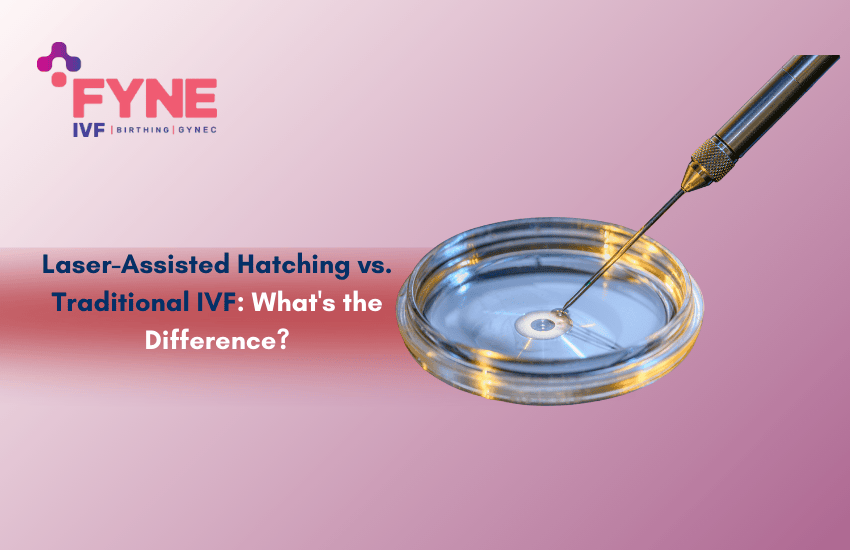
    Laser-assisted Hatching (LAH) is an advanced procedure that involves using a laser to create a small hole in the zona pellucida, which is the outer shell surrounding the embryo. This hole helps the embryo “hatch” and implant more easily into the uterine lining.

    How Does It Work?

    • LAH is performed on embryos that have reached the blastocyst stage (usually around day 5 of embryo development).
    • The laser creates a controlled, precise opening in the zona pellucida, which can help embryos with difficulty hatching naturally by softening the shell or aiding the hatching process.
    • This technique is designed to improve the chances of successful implantation in cases where embryos have not been successfully implanted in previous IVF cycles.

    Laser-Assisted Hatching vs. Traditional IVF: Key Differences

    While Traditional IVF is a standard treatment, Laser-Assisted Hatching is an additional technique used to help embryos implant more successfully. Here’s how the two compare:

    Traditional IVF

    • Procedure: Embryos are transferred into the uterus without assistance in the hatching process.
    • Success Rates: Success depends on the embryo’s ability to hatch and implant on its own. IVF works well for many couples but not all, particularly when embryos have difficulty hatching or when there is an immune response that prevents implantation.

    Laser-Assisted Hatching (LAH)

    Key Differences

    • IVF involves transferring embryos without additional assistance, while LAH specifically assists with embryo implantation.
    • Laser-assisted Hatching may be used alongside traditional IVF if there are concerns about embryo hatching, increasing the likelihood of pregnancy.

    Benefits of Laser-Assisted Hatching

    • Increased Implantation Rates: By making it easier for embryos to hatch, LAH improves the chances of successful embryo implantation into the uterine lining.
    • Aiding Older Women: For women over 35, who often have lower-quality eggs and thicker zona pellucida, LAH may significantly increase the chances of embryo survival and implantation.
    • Helping Poor-Quality Embryos: Embryos that are good candidates for implantation but struggle to break free from their shell may benefit from LAH, improving their chances of a successful pregnancy.

    Risks and Considerations of Laser-Assisted Hatching

    Although Laser-Assisted Hatching has shown positive results in increasing pregnancy rates, there are some considerations:

    • Potential Embryo Damage: If the laser is not applied carefully, it can damage the embryo. However, with experienced professionals, the risk of damage is minimal.
    • Not for Everyone: LAH is not recommended for all IVF patients and is typically used in cases where repeated IVF failures have occurred.

    When Should You Consider Laser-Assisted Hatching?

    Laser-assisted Hatching is often considered for patients who have had:

    • Multiple failed IVF cycles despite having good-quality embryos.
    • Thick zona pellucida or embryos that are having difficulty hatching naturally.
    • Advanced maternal age (35+), where the eggs may be more likely to have a thick shell that inhibits hatching.

    Before opting for LAH, it’s essential to consult with your fertility specialist, who can assess whether it’s the right option for your IVF treatment plan.

    In Conclusion

    Understanding the differences between Laser-Assisted Hatching and Traditional IVF can help couples who have experienced repeated IVF failures find a new path to success. LAH can be a valuable tool in overcoming implantation difficulties and improving success rates, particularly for those who have struggled with recurrent pregnancy loss or failed IVF attempts.

    By exploring advanced options like Laser-Assisted Hatching, you can make more informed decisions about your treatment and take proactive steps towards achieving your dream of parenthood.

    Empower Your Fertility Journey at FYNE IVF

    If you’ve experienced multiple IVF failures and are wondering whether Laser-Assisted Hatching could improve your chances of success, visit FYNE IVF. Our expert fertility team, led by Dr. Deepali Chinchole, specialises in advanced IVF techniques like LAH to help couples achieve their dream of parenthood. Book a Consultation and explore how we can help you with your IVF journey.


    FAQs

    1. What is Laser-Assisted Hatching (LAH)?

    A: Laser-assisted Hatching is a procedure where a laser creates a small hole in the embryo’s outer shell, facilitating the embryo’s ability to implant in the uterus.

    2. How does LAH improve IVF success rates?

    A: LAH helps embryos hatch and implant more easily by making a controlled hole in the zona pellucida, which can lead to better chances of successful pregnancy, especially for women who’ve had multiple IVF failures.

    3. Is LAH necessary for all IVF patients?

    A: No, Laser-Assisted Hatching is not required for every IVF patient. It is typically recommended for those with recurrent IVF failures or issues with embryo hatching, particularly for women of advanced age.

    4. Does LAH increase the cost of IVF treatment?

    A: Yes, Laser-Assisted Hatching adds to the cost of an IVF cycle. The procedure is an additional step to improve implantation chances, but it can be a worthwhile investment for those who have struggled with IVF failures.

    5. Are there any risks associated with Laser-Assisted Hatching?

    A: While LAH is generally safe, there is a slight risk of embryo damage if not performed accurately. However, this risk is very low when performed by an experienced professional.