Category: FAQs & Myths About IVF

  • Indira IVF vs FYNE IVF: Which Clinic Is Better for You in Pune?

    Indira IVF vs FYNE IVF: Which Clinic Is Better for You in Pune?

    Choosing a clinic matters. You should pick a center that fits your health needs, budget, and comfort level. Below is a clear, side-by-side comparison of Indira IVF and Fyne IVF in Pune.

    Quick summary

    • Indira IVF is a large national chain. It has many centres and standardised processes.
    • Fyne IVF is a local clinic in Pune that focuses on personalised care and transparency.
    • If you want a big network, pick Indira. If you want close doctor contact and local support, pick Fyne.

    Services offered

    Both clinics offer common fertility services. Here are the main ones.

    ServiceIndira IVFFyne IVF
    IVF (standard)YesYes
    ICSIYesYes
    IUIYesYes
    Egg freezingYesYes
    Donor eggs / donor spermYesYes
    Genetic testing (PGT)YesYes
    Counselling & mental health supportBasicDedicated support

    Success rates (approximate)

    Success rates vary by age, diagnosis, and lab factors. These numbers are estimates to help comparison.

    Age groupIndira IVF (approx)Fyne IVF (approx)
    < 30 years65–70%70–75%
    30–35 years55–65%60–70%
    35+ years45–55%50–60%

    Fyne shows slightly higher figures in these estimates. That advantage comes from smaller patient loads and more tailored protocols.

    Cost comparison

    Costs depend on tests, medicines, and add-ons. These ranges reflect common pricing brackets in Pune clinics.

    Fyne tends to list clearer base prices and fewer surprise add-ons. Ask each clinic for a full written breakdown before you commit.

    Patient experience and access

    • Indira IVF: strong brand, many centres, standard processes. You may meet different staff across visits. Wait times can be longer at some branches.
    • Fyne IVF: smaller team, consistent doctor contact, and more counselling time per visit. The clinic focuses on one-to-one care.

    Lab and technology

    Both clinics use modern embryology labs and standard ART techniques. Indira’s advantage lies in scale and protocol uniformity. Fyne’s advantage lies in lab attention for individual cases and closer embryologist-doctor coordination.

    Who should choose which clinic?

    • Choose Indira IVF if you prefer a large, national network and wide geographic access. You get standardised protocols and many branches.
    • Choose Fyne IVF if you want personalised plans, clearer pricing, and closer doctor involvement through your treatment.

    Do you need help picking based on your case? Share age, prior cycles, and main diagnosis, and I will map which clinic strengths match your situation.

    Next steps before you decide

    • Ask both clinics for a written price sheet and list of inclusions.
    • Request recent success data for patients in your exact age group.
    • Ask how many patients the lead doctor treats weekly. Lower caseload means more time for you.
    • Verify lab accreditation and embryologist experience.

    Quick FAQs

    Q: Which clinic is cheaper on average?
    A: Fyne IVF often lists lower base prices and fewer hidden costs. Ask both clinics for a full quote.

    Q: Does clinic size affect success?
    A: Clinic size does not determine success by itself. Smaller clinics can offer more tailored care. Larger chains offer standardised protocols and wider reach.

    Q: How do I verify success rates?
    A: Request recent case data by age group and treatment type. Ask for clinic audit reports or outcome summaries.
  • IVF Cost in Pune: A Transparent 2025 Breakdown

    IVF Cost in Pune: A Transparent 2025 Breakdown

    Understanding the cost of IVF is a crucial first step. Many patients feel overwhelmed by unclear pricing. We believe in complete transparency. This guide provides a detailed breakdown of IVF costs in Pune for 2025. You will see what to expect and why prices vary.

    A single IVF cycle typically ranges from ₹2,00,000 to ₹3,50,000. Your final cost depends entirely on your personal medical situation.

    What makes up the total IVF cost?

    The final amount is not one single fee. It is the sum of several distinct parts.

    • Consultations and Diagnostic Tests
      This includes your first meetings with the doctor. It also covers all necessary blood tests and ultrasound scans. These steps confirm you are a good candidate for IVF and create a safe treatment plan.
    • The Core Medical Procedure
      This part involves the egg retrieval and the embryo transfer. The fee includes the surgical team, anesthesia drugs, and use of the operation theatre for these procedures.
    • Fertility Medications
      These drugs stimulate your ovaries to produce multiple eggs. Medication type and dosage differ for every patient. This causes the largest variation in cost between individuals. Some patients need simpler protocols, while others need more complex ones.
    • Embryology Laboratory Services
      After retrieval, your eggs and embryos are cared for in our lab. This cost covers the fertilization process and the sophisticated environment needed to grow the embryos.

    Which factors increase the final price?

    Some medical situations require advanced techniques. These add-ons can increase the total cost but are often essential for success.

    • ICSI (Intracytoplasmic Sperm Injection)
      This is used for male factor infertility. Our embryologist selects a single sperm and injects it directly into an egg. This specialized technique requires extra skill and equipment.
    • Embryo Freezing
      If your cycle produces more good-quality embryos than can be transferred, freezing is an option. This cost includes the freezing process itself and the annual storage fees for preserving the embryos.
    • Preimplantation Genetic Testing (PGT)
      This advanced test screens embryos for genetic conditions before transfer. It is recommended for specific patients, such as those with a history of genetic disorders or recurrent pregnancy loss. PGT involves significant laboratory costs.
    • Surgical Sperm Retrieval
      For men with no sperm in their semen, a minor procedure can often retrieve sperm directly from the testicles. This is a separate surgical fee.
    • Donor Eggs or Sperm
      Using donor eggs or sperm significantly increases the total treatment cost. These costs cover donor screening, compensation, and legal fees.

    How can you manage the financial commitment?

    We know that IVF is a significant investment. Fyne IVF wants to make it more accessible.

    We offer structured payment plans. You can discuss EMI options with our team. We will work with you to find a manageable payment schedule. Check if your health insurance offers any partial coverage for infertility treatments. We provide all necessary documentation for your claims.

    Your next step is a personal consultation.

    The only way to know your exact cost is through a medical evaluation. We need to understand your unique history and needs.

    Contact Fyne IVF in Pune to schedule your appointment. We will provide a clear, itemized cost estimate for your specific treatment plan. You can make a confident decision with all the financial information in hand.

    Frequently Asked Questions: IVF Cost in Pune

    What is the starting price for basic IVF treatment?
    A basic cost of one cycle of IVF can range from 2 to 3.5 lac depending upon the procedures involved and medicines used. This starting price covers essential consultations, monitoring, egg retrieval, and a fresh embryo transfer. The final cost depends on your specific medication needs and diagnosis.

    Why does the cost of IVF vary so much between patients?
    The cost changes based on your body’s response. The type and dosage of fertility drugs form a major part of the expense. Some patients need simpler protocols. Others need more complex and expensive medications. Additional procedures like ICSI or genetic testing also increase the total.

    Does the quoted price include all my medicines?
    No. Medication costs are usually separate. Your drug protocol is personalized. We provide a clear estimate for these drugs before you start treatment. This allows you to budget accurately.

    What is the difference between a fresh and frozen embryo transfer cost?
    A fresh transfer is often included in the main cycle cost. A frozen embryo transfer is a separate procedure. It costs extra because it involves thawing the frozen embryos and preparing your uterus for implantation.

    Do you offer refunds if the IVF cycle is not successful?
    IVF success cannot be guaranteed. We do not offer refunds for a cycle that does not result in a pregnancy. The fee covers the medical procedures, lab work, and expertise provided throughout your treatment.

    What is included in your IVF package?
    Our packages typically include monitoring scans, the egg retrieval procedure, fertilization, and embryo culture. They also include a fresh embryo transfer. Packages do not usually cover initial consultations, specific drugs, or advanced add-ons like ICSI or freezing.

    Do you provide financing or EMI options?
    Yes. Fyne IVF offers financing plans. You can discuss EMI options with our financial counselor. We aim to make treatment more accessible through manageable monthly payments.

    How much does embryo freezing cost?
    Embryo freezing involves a one-time fee for the freezing process. This is followed by an annual storage fee. We will provide you with the current rates for both during your consultation.

    Are there any hidden costs I should know about?
    We practice transparent pricing. We provide a detailed, itemized cost estimate before you begin treatment. This estimate lists all expected charges. There are no hidden fees.

    Should I choose a clinic based only on the lowest price?
    The lowest price may not offer the best value. Consider the clinic’s expertise, success rates, and laboratory quality. Advanced labs and experienced doctors often justify a higher cost through better outcomes.

    How can I get a final, exact cost for my treatment?
    You need a personal medical consultation. After reviewing your history and conducting tests, we can create a tailored treatment plan. We will then provide a precise, final cost estimate.

  • Diet and Fertility: Foods That Can Help Improve Your Chances of Conception

    Diet and Fertility: Foods That Can Help Improve Your Chances of Conception

    When it comes to conception, diet plays a vital role in both men’s and women’s fertility. The foods we eat impact our reproductive health, hormone regulation, sperm quality, and egg health. By making intelligent dietary choices, you can maximise your chances of conception and create a healthier environment for pregnancy. In this blog, we’ll explore which foods can help boost fertility and how diet supports your fertility journey.

    Key Nutrients That Support Fertility

    Certain nutrients are essential for supporting fertility and reproductive health. Incorporating these nutrients into your diet can boost egg and sperm quality, hormone regulation, and the overall chances of successful conception.

    • Folate: Important for women trying to conceive, folate helps with healthy cell division and reduces the risk of birth defects. It can be found in leafy greens, beans, fortified cereals, and citrus fruits.
    • Zinc: Crucial for sperm production in men and ovulation in women. Zinc supports reproductive function and is found in pumpkin seeds, lentils, chickpeas, paneer, and cashews.
    • Omega-3 Fatty Acids: These healthy fats reduce inflammation and promote hormone production. Omega-3s are abundant in flaxseeds, walnuts, chia seeds, and fatty fish like mackerel (bangda) and sardines (pedvey).
    • Antioxidants: Vitamins C and E, found in fruits like oranges, papaya, strawberries, and spinach, help protect eggs and sperm from harm caused by oxidative stress. They also support overall immune health.
    • Vitamin D: Inadequate levels of vitamin D have been linked to infertility. Vitamin D is essential for hormonal balance and can be found in fortified foods, sunlight, egg yolks, and mushrooms.

    Fertility-Boosting Foods for Women

    A woman’s fertility is directly influenced by her diet. Here are some foods from the Indian diet that can support healthy reproductive function:

    • Leafy Greens: High in folate, magnesium, and iron, spinach, methi (fenugreek), sarson (mustard greens), and drumstick leaves are key to hormone regulation and the health of reproductive organs.
    • Berries: Rich in antioxidants, berries like strawberries, blueberries, and blackberries are often hard to find locally but can be substituted with amla (Indian gooseberry) and papaya, both rich in vitamin C and antioxidants.
    • Nuts and Seeds: These are packed with healthy fats, zinc, and vitamin E, which support overall reproductive health. Almonds, walnuts, chia seeds, flaxseeds, and sunflower seeds are excellent choices.
    • Whole Grains: Foods like quinoa, brown rice, barley, millets (ragi, bajra), and oats are rich in fibre and help regulate blood sugar levels, essential for hormonal balance.
    • Plant-Based Proteins: Opting for plant-based proteins such as lentils (dal), chickpeas (chole), tofu, and soy can help maintain a healthful weight and decrease inflammation.
    • Healthy Fats: Avocados, olive oil, and ghee (clarified butter) are ample sources of healthy fats that support hormone production and overall fertility.

    Fertility-Boosting Foods for Men

    Just like women, men also benefit from a healthy diet that supports sperm quality and motility. Here’s what men should include in their diet to boost fertility:

    • Zinc-Rich Foods: Zinc is integral for sperm production and motility. Men should consume foods like pumpkin seeds, cashews, lentils, and oysters.
    • Selenium: Found in Brazil nuts, sunflower seeds, fish, and eggs, selenium helps protect sperm from oxidative stress and improves sperm motility.
    • Antioxidant-Rich Fruits and Vegetables: Vitamin C and E-rich fruits like oranges, strawberries, and papaya help protect sperm from DNA damage and improve overall sperm health.
    • Healthy Fats: Omega-3 fatty acids, found in foods like walnuts, flaxseeds, chia seeds, and fatty fish, improve sperm quality by reducing inflammation and supporting hormone function.
    • Protein Sources: Lean meats, fish, and plant-based proteins like tofu, legumes, and lentils are essential for hormone balance and overall health, contributing to improved sperm quality.
    • Limit Processed Meats and Alcohol: Reducing processed meat and alcohol consumption helps protect sperm health and overall fertility.

    Lifestyle Habits That Complement a Fertility-Friendly Diet

    In addition to eating a balanced diet, adopting healthy lifestyle habits can further support your fertility:

    • Hydration: Staying well-hydrated supports overall health and fertility. Aim for at least 8 glasses of water a day.
    • Limiting Caffeine: Excessive caffeine can negatively impact fertility, especially for women. Limit your intake to 1–2 cups daily.
    • Maintaining a Healthy Weight: Both underweight and overweight individuals can face fertility challenges. Maintaining an adequate weight through balanced eating and regular exercise can optimise fertility.
    • Sleep and Stress Management: Adequate sleep and stress management are essential for hormone regulation and reproductive health. Practices like yoga, meditation, and breathing exercises can decrease stress levels.

    Foods and Substances to Avoid for Better Fertility

    While certain foods support fertility, others can have the opposite effect. Here are foods and substances to limit or avoid:

    • Trans Fats and Processed Foods: These can cause hormonal imbalances and increased inflammation, which may impact fertility.
    • Excessive Caffeine: Abnormal caffeine consumption has been linked to infertility, so it’s essential to keep your intake in check.
    • Unhealthy Fats and Fast Food: Avoid trans fats and fast food high in unhealthy fats. These can disrupt hormonal balance and reduce fertility.
    • Unpasteurised Dairy Products: These can contain harmful bacteria that may increase the risk of infections affecting fertility.

    Bottom Line

    Your dietary choices play an integral role in supporting fertility and boosting the chances of conception. By including nutrient-dense, fertility-boosting foods like leafy greens, berries, nuts, and healthy fats in your diet, you can optimise your reproductive health. Along with proper nutrition, maintaining a healthy lifestyle, managing stress, and limiting harmful substances will further enhance your fertility journey.
    If you’re ready to take control of your fertility health, consult with a fertility expert to get personalised dietary and lifestyle advice tailored to your needs. Remember, a balanced, nutrient-rich diet is fundamental for building a foundation for a successful pregnancy.

    Experience Premiere Fertility Services at FYNE IVF Pune

    At FYNE IVF, we understand that fertility is a combination of physical and emotional health. That’s why we provide holistic care, including personalised nutritional guidance and advanced fertility treatments, to optimise your chances of conception. Our expert team is here to support you every step of the way on your fertility journey. Book your consultation today!

    Frequently Asked Questions (FAQs)

    1. Can diet alone improve fertility?

    While diet is a powerful factor, it works best alongside medical care and healthy lifestyle habits.

    2. How quickly can diet changes affect fertility?

    Positive changes may impact fertility within a few months, but it varies per individual.

    3. Are supplements necessary for fertility?

    Supplements can help fill nutritional gaps but should be taken under medical guidance.

    4. Can men’s diet affect sperm quality?

    Yes, a nutrient-rich diet can improve sperm count, motility, and overall quality.

    5. Is it safe to consume fish while trying to conceive?

    Certain fish are beneficial, but it’s important to avoid high-mercury varieties.

  • How IVF and Egg Donation Are Combined for Higher Success Rates

    How IVF and Egg Donation Are Combined for Higher Success Rates

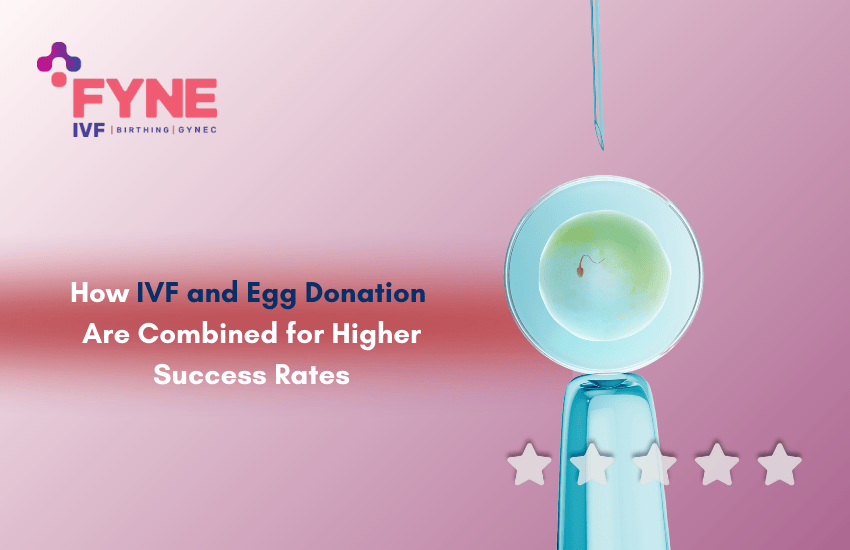
    In vitro fertilisation (IVF) has been a life-changing advancement for countless individuals and couples facing infertility. For some, combining IVF with egg donation offers the best chance of achieving pregnancy, especially when factors like advanced maternal age, poor egg quality, or genetic conditions are involved. In this blog, we’ll walk you through how IVF and egg donation work together, the egg donation procedure, and why this combination often leads to higher success rates.

    What Is Donor Egg IVF?

    Donor egg IVF is a fertility treatment in which a healthy egg from a donor is fertilised with sperm (either from a partner or donor), and the resulting embryo is implanted into the uterus of the intended parent or a gestational carrier.

    This method is often recommended when:

    • The patient’s eggs are not viable
    • The woman has experienced repeated IVF failures
    • There is a risk of passing on genetic disorders
    • The patient is of advanced maternal age (usually over 40)

    Who Can Benefit from Egg Donation?

    Egg donation offers hope to many individuals and couples, including:

    • Women with low ovarian reserve or poor egg quality
    • Women with premature ovarian failure
    • Cancer survivors who’ve lost fertility due to treatment
    • LGBTQ+ couples or single intended parents
    • Those who have gone through multiple unsuccessful IVF cycles

    The Egg Donation Procedure Step-by-Step

    Whether you’re an intended parent or curious about how egg donation works, here’s a simplified breakdown of the process:

    1. Donor Selection

    Intended parents can choose from anonymous or known donors. Medical history, genetic screening, and physical characteristics are considered during selection.

    2. Synchronisation

    The donor and recipient’s menstrual cycles are synchronised using medications to ensure optimal timing for egg retrieval and embryo transfer.

    3. Egg Retrieval

    The donor undergoes controlled ovarian stimulation for 10–12 days. Mature eggs are then retrieved using a minimally invasive procedure under sedation.

    4. Fertilisation

    The donor eggs are fertilised with sperm in a lab. In some cases, ICSI (Intracytoplasmic Sperm Injection) is used to enhance fertilisation rates.

    5. Embryo Development

    The fertilised eggs are cultured for 3–5 days until they develop into embryos. Embryo quality is assessed before transfer.

    6. Embryo Transfer

    One or more embryos are transferred into the recipient’s uterus. Any remaining viable embryos may be frozen for future use.

    7. Pregnancy Test

    A blood test is done approximately 2 weeks after the embryo transfer to confirm pregnancy.

    Why IVF with Egg Donation Has Higher Success Rates

    Using donor eggs in IVF typically results in higher success rates for several reasons:

    1. Younger, Healthier Eggs

    Egg donors are usually women under 32 years of age with no history of infertility. Their eggs tend to have better quality, which improves the chances of fertilisation and healthy embryo development.

    2. Lower Risk of Chromosomal Abnormalities

    Since egg quality declines with age, older women using their eggs face higher risks of chromosomal issues. Donor eggs reduce this risk and increase the chance of a healthy pregnancy.

    3. Improved Uterine Environment

    The recipient’s uterus is prepared in advance to be as receptive as possible. Without the added strain of ovarian stimulation, the uterine lining is often in better condition for implantation.

    4. High Live Birth Rates

    Studies show that live birth rates with donor egg IVF are consistently high, even in women in their 40s or those with a history of infertility.

    Is Donor Egg IVF Right for You?

    Choosing IVF with egg donation is a deeply personal decision. While it offers high success rates, it also involves emotional, financial, and ethical considerations. Today, IVF clinics provide complete counselling and support at every stage, whether you’re exploring this path for the first time or transitioning after other fertility treatments.

    Final Thoughts

    Combining IVF and egg donation opens up new possibilities for people who may have lost hope. With the use of healthy donor eggs and advanced reproductive techniques, many patients experience a renewed chance at parenthood with success rates that are often significantly higher than standard IVF.

    Trust FYNE IVF for a Seamless Fertility Journey

    If you’re considering donor egg IVF or want to know more about the egg donation procedure, we’re here to help. Book a consultation with Fyne IVF to take the next step in your fertility journey with care, expertise, and hope by your side.


    FAQs

    1. Q: What is donor egg IVF?
      A: It’s a type of IVF where eggs from a healthy donor are fertilised and transferred to the intended parent’s uterus, often used when the patient’s own eggs are not viable.
    2. Q: Who qualifies for IVF with donor eggs?
      A: Women with poor egg quality, early menopause, repeated IVF failures, or genetic conditions, as well as LGBTQ+ couples and single parents.
    3. Q: Is the egg donation procedure safe for donors?
      A: Yes, donors undergo thorough screening and are monitored closely during the process, which includes hormonal stimulation and egg retrieval under sedation.
    4. Q: Can I choose my egg donor?
      A: Yes, most fertility clinics offer profiles of anonymous or known donors, allowing you to select based on medical and personal criteria.
    5. Q: Are success rates higher with donor egg IVF?
      A: Yes, especially for women over 40 or with previous IVF failures, as younger donor eggs tend to lead to higher fertilisation and pregnancy rates.