
Category: Female Fertility

  • What Should I Do If I Am Unable to Become Pregnant Naturally?

    What Should I Do If I Am Unable to Become Pregnant Naturally?

    Trying to conceive can be emotionally challenging, especially when repeated attempts don’t result in pregnancy. It can be a frustrating journey for many couples, but it’s important to remember that infertility affects millions around the world.

    This blog will discuss the possible causes of infertility, next steps, and available treatments to help you move forward in your path to parenthood.

    Understanding Fertility and Timing

    Conception depends on several factors, ovulation, sperm health, fallopian tube function, and timing. The fertile window is typically 5–6 days before ovulation, which is the most fertile time to try to conceive. It’s common for couples to worry early on, but even in healthy couples, it can take 6–12 months to conceive.

    Infertility is defined as the inability to get pregnant after trying for 12 months (or 6 months if you’re over 35). Understanding these natural timelines can help ease anxiety and reduce unnecessary stress during the early stages of trying to conceive.

    Possible Causes of Being Unable to Become Pregnant

    In Women

    • Ovulation Problems: Conditions like PCOS, thyroid issues, or irregular cycles prevent proper ovulation, making it difficult to conceive.
    • Blocked Fallopian Tubes: If the fallopian tubes are blocked by scarring or infection, they can prevent the egg from meeting the sperm.
    • Endometriosis: This condition can cause tissue to grow outside the uterus and impact fertility by interfering with egg implantation.
    • Age-Related Decline in Egg Quality: As women age, both the quantity and quality of their eggs decline, making conception more difficult.

    In Men

    • Low Sperm Count or Poor Motility: Low sperm count or slow sperm motility can make fertilisation more difficult.
    • Hormonal Imbalances: Testosterone or other hormone issues can disrupt sperm production.
    • Lifestyle Habits: Smoking, excessive alcohol consumption, and poor diet can also negatively impact sperm health.

    Sometimes repeated attempts end in a failed pregnancy, which could indicate underlying medical issues that need further evaluation at a fertility clinic.

    When Should You Seek Medical Help?

    If you’ve been trying to conceive for 12 months without success, or 6 months if you’re over 35, it’s time to seek help. Other signs that you may need medical assistance include repeated failed pregnancies or miscarriages, irregular periods, pelvic pain, or abnormal semen results.

    Early intervention can significantly improve your chances of successful conception and increase the effectiveness of fertility treatments. Consulting a fertility expert provides clarity and helps guide you through the next steps in your fertility journey.

    First Steps: Medical Evaluation

    The first step in addressing infertility is a thorough medical evaluation for both partners.

    For Women:

    • Hormonal Blood Tests: These tests help assess ovarian function, thyroid levels, and overall reproductive health.
    • Ultrasound: Used to evaluate ovarian reserve and check for any abnormalities in the uterus.
    • Ovulation Tracking: Monitoring the menstrual cycle and confirming ovulation.
    • HSG (Hysterosalpingogram): This test helps detect any blockages in the fallopian tubes.

    For Men:

    • Semen Analysis: A crucial test to assess sperm count, motility, and morphology.
    • Hormonal Profile: Checks testosterone and other hormone levels that affect sperm production.

    Both partners should undergo a combined assessment to determine the cause of infertility and to help create a personalised treatment plan.

    Lifestyle Changes That Can Improve Fertility

    In addition to medical treatment, lifestyle changes can greatly improve fertility for both men and women:

    • Maintain a Healthy Weight: Excess weight can interfere with hormone production and ovulation.
    • Eat a Balanced Diet: Include foods rich in antioxidants, folate, and healthy fats, such as leafy greens, nuts, and fish.
    • Limit Alcohol, Caffeine, and Smoking: These habits can negatively affect fertility, so cutting back or eliminating them is advisable.
    • Manage Stress: Stress can interfere with hormone regulation, so practices like yoga, meditation, or counselling can help.
    • Exercise Regularly: Regular physical activity can support overall health, but avoid overexertion, which can negatively impact fertility.

    While these changes may not solve every fertility issue, they certainly create a healthier environment for conception.

    Fertility Treatments Available

    There are a variety of advanced fertility treatments available for couples struggling to conceive naturally. Some of the most common options include:

    • Medications: Fertility medications can help stimulate ovulation and regulate hormonal imbalances.
    • IUI (Intrauterine Insemination): A less invasive treatment where sperm is directly placed into the uterus around the time of ovulation. Ideal for mild fertility issues.
    • IVF (In Vitro Fertilisation): Recommended for couples with complex infertility issues. Eggs are retrieved, fertilised outside the body, and the embryo is transferred into the uterus.
    • ICSI (Intracytoplasmic Sperm Injection): This advanced technique helps overcome male infertility by injecting a single sperm directly into an egg for fertilisation.
    • Donor Eggs/Sperm: For couples with severe infertility issues, using donor eggs or sperm can significantly improve the chances of a successful pregnancy.
    • Advanced Procedures: For complex fertility issues, treatments like genetic screening, egg freezing, or embryo freezing may be recommended.

    Modern technology and experienced doctors help tailor a treatment plan specific to your needs, ensuring the best possible outcome.

    Emotional Impact & Coping

    The emotional impact of infertility can be overwhelming. Repeated failed pregnancies or ongoing fertility struggles can cause stress, anxiety, and even depression. It is also common for couples to experience strain in their relationships during this period.

    Emotional support is just as important as medical care. Many fertility clinics offer counselling and support groups to help you through this challenging time. Understanding that infertility is common and treatable can reduce feelings of isolation and support mental health throughout the process.

    In Conclusion

    Being unable to become pregnant naturally is a common challenge faced by many couples, but it is not something that should stop you from pursuing your dream of parenthood. With the proper treatment and medical guidance, there is always hope.

    Modern fertility treatments, such as IVF, IUI, and ICSI, provide opportunities for couples to overcome infertility and achieve a successful pregnancy. Whether you’re just starting your fertility journey or have faced multiple setbacks, help is available.

    Unlock Your Fertility Potential with Our Help

    At FYNE IVF, we specialise in advanced fertility treatments designed to fit your specific needs. Whether you are just starting your journey or have experienced repeated miscarriages, we are here to guide you. Book your consultation today and take the first step towards parenthood.

    Frequently Asked Questions (FAQs)

    Does being unable to become pregnant mean I’ll never conceive?

    No, infertility does not always mean permanent infertility. Many couples conceive with the help of fertility treatments or lifestyle changes.

    How soon should I try IVF after a failed pregnancy?

    After a failed pregnancy, IVF can be considered as soon as the underlying causes are identified. Your fertility specialist will guide you through the process.

    Is infertility always permanent?

    Not necessarily. Many causes of infertility are treatable, and many couples achieve pregnancy with the right treatment and care.

    Can lifestyle changes alone improve the chances of pregnancy?

    While lifestyle changes can significantly improve fertility, they may need to be combined with medical treatments for optimal results.

    What if repeated IVF attempts fail?

    In cases of repeated IVF failure, additional treatments, including egg/sperm donation or genetic screening, may be considered to improve success rates.

  • What Should I Do If I Am Unable to Become Pregnant Naturally?

    What Should I Do If I Am Unable to Become Pregnant Naturally?

    Trying to conceive can be one of life’s most emotional journeys, and it can feel deeply frustrating when pregnancy doesn’t happen despite repeated efforts. Many couples experience this, and it’s important to know that you are not alone. Infertility affects millions worldwide, and there are medical reasons and solutions to explore. This blog explains why some couples are unable to get pregnant naturally, when to seek help, and the fertility treatments available.

    Understanding Fertility and Timing

    Conception is a delicate process that depends on several factors: ovulation, sperm health, fallopian tube function, and the timing of intercourse. Couples often focus on trying every day, but conception is most likely during the fertile window, the 5–6 days leading up to ovulation. Even in healthy couples, it can take 6–12 months to achieve pregnancy. Infertility is defined as trying for 12 months without success, or 6 months if the woman is over 35. Understanding these timelines can reduce anxiety and help couples approach fertility in a realistic and informed way.

    Possible Causes of Being Unable to Become Pregnant

    In Women:

    • Ovulation Problems: Conditions like PCOS, thyroid disorders, or irregular cycles can prevent regular ovulation.
    • Blocked Fallopian Tubes: Scarring or damage can stop the egg from meeting the sperm.
    • Endometriosis: Tissue growth outside the uterus may interfere with conception.
    • Age-Related Decline: Egg quality and quantity naturally decline with age, affecting fertility.

    In Men:

    • Low Sperm Count or Poor Motility: This reduces the chance of fertilisation.
    • Hormone Imbalances: Testosterone or other hormonal issues can affect sperm production.
    • Lifestyle Factors: Smoking, excessive alcohol, and a poor diet can impact fertility.

    When Should You Seek Medical Help?

    If pregnancy has not occurred after 12 months of trying or after 6 months if you are over 35, it’s time to consult a fertility specialist. Repeated failed pregnancies or miscarriages, irregular menstrual cycles, pelvic pain, or abnormal semen analysis results also warrant medical attention. Early evaluation can identify treatable causes and increase the likelihood of a successful pregnancy. 

    First Steps: Medical Evaluation

    A thorough medical assessment is the first step for couples unable to conceive naturally.

    For Women:

    • Blood tests for hormones such as FSH, LH, AMH, and thyroid function.
    • Ultrasound to examine ovarian and uterine health.
    • HSG (hysterosalpingogram) to check for blocked fallopian tubes.

    For Men:

    • Semen analysis to evaluate sperm count, motility, and morphology.
    • Hormonal profile to identify potential issues affecting fertility.

    Combined evaluation for both partners ensures a comprehensive understanding of fertility health. Personalised assessment is crucial to determine why natural conception has not occurred and to guide the right treatment plan.

    Lifestyle Changes That Can Improve Fertility

    Small changes in daily habits can positively affect fertility for both men and women:

    • Maintain a healthy weight to balance hormones and improve ovulation.
    • Eat a nutrient-rich diet with antioxidants, folate, and vitamins.
    • Limit alcohol, caffeine, and avoid smoking.
    • Manage stress through yoga, meditation, or counselling.
    • Engage in regular moderate exercise without overexertion.

    While lifestyle changes alone may not guarantee pregnancy, they support overall reproductive health and improve the chances of success with medical treatments.

    Emotional Impact & Coping

    Being unable to conceive naturally can cause stress, depression, and strain on relationships. Emotional well-being is as important as physical health during this journey. Counselling, support groups, and holistic care offered at fertility clinics help couples manage anxiety and maintain a positive mindset. Understanding that infertility is common and treatable can reduce feelings of isolation and support mental health throughout the process.

    In Conclusion

    Being unable to become pregnant naturally is a common challenge, but it is not the end of the road. Understanding the causes, making lifestyle changes, and seeking medical evaluation can significantly improve your chances of recovery. Early intervention and personalised care can make a significant difference in achieving pregnancy.

    Begin Your IVF Journey with Confidence

    At FYNE IVF Pune, we offer advanced fertility treatments tailored to your unique needs. Our experienced doctors provide compassionate guidance and the latest technology to support your journey toward parenthood. Don’t wait, take the first step today. Book a consultation now and explore the best options to increase your chances of a successful pregnancy.

    FAQs

    Does being unable to become pregnant mean I’ll never conceive?

    Not necessarily. Many couples conceive with the help of lifestyle changes, medical evaluation, and fertility treatments. 

    How soon should I try IVF after a failed pregnancy?

    Consultation is recommended as soon as the evaluation shows underlying issues. Timing depends on age, health, and prior fertility history. 

    Is infertility always permanent?

    No. Infertility can be temporary or treatable depending on the cause. Many couples conceive naturally or with assisted treatments. 

    Can lifestyle changes alone improve the chances of pregnancy?

    Lifestyle adjustments support overall reproductive health but may not be sufficient if medical issues exist. Combining changes with medical care increases the success rate. 

    What if repeated IVF attempts fail?

    Advanced procedures, donor eggs or sperm, and personalised treatment plans can increase chances. Emotional support is also vital during this stage.

  • IVF Cost in Pune: A Transparent 2025 Breakdown

    IVF Cost in Pune: A Transparent 2025 Breakdown

    Understanding the cost of IVF is a crucial first step. Many patients feel overwhelmed by unclear pricing. We believe in complete transparency. This guide provides a detailed breakdown of IVF costs in Pune for 2025. You will see what to expect and why prices vary.

    A single IVF cycle typically ranges from ₹2,00,000 to ₹3,50,000. Your final cost depends entirely on your personal medical situation.

    What makes up the total IVF cost?

    The final amount is not one single fee. It is the sum of several distinct parts.

    • Consultations and Diagnostic Tests
      This includes your first meetings with the doctor. It also covers all necessary blood tests and ultrasound scans. These steps confirm you are a good candidate for IVF and create a safe treatment plan.
    • The Core Medical Procedure
      This part involves the egg retrieval and the embryo transfer. The fee includes the surgical team, anesthesia drugs, and use of the operation theatre for these procedures.
    • Fertility Medications
      These drugs stimulate your ovaries to produce multiple eggs. Medication type and dosage differ for every patient. This causes the largest variation in cost between individuals. Some patients need simpler protocols, while others need more complex ones.
    • Embryology Laboratory Services
      After retrieval, your eggs and embryos are cared for in our lab. This cost covers the fertilization process and the sophisticated environment needed to grow the embryos.

    Which factors increase the final price?

    Some medical situations require advanced techniques. These add-ons can increase the total cost but are often essential for success.

    • ICSI (Intracytoplasmic Sperm Injection)
      This is used for male factor infertility. Our embryologist selects a single sperm and injects it directly into an egg. This specialized technique requires extra skill and equipment.
    • Embryo Freezing
      If your cycle produces more good-quality embryos than can be transferred, freezing is an option. This cost includes the freezing process itself and the annual storage fees for preserving the embryos.
    • Preimplantation Genetic Testing (PGT)
      This advanced test screens embryos for genetic conditions before transfer. It is recommended for specific patients, such as those with a history of genetic disorders or recurrent pregnancy loss. PGT involves significant laboratory costs.
    • Surgical Sperm Retrieval
      For men with no sperm in their semen, a minor procedure can often retrieve sperm directly from the testicles. This is a separate surgical fee.
    • Donor Eggs or Sperm
      Using donor eggs or sperm significantly increases the total treatment cost. These costs cover donor screening, compensation, and legal fees.

    How can you manage the financial commitment?

    We know that IVF is a significant investment. Fyne IVF wants to make it more accessible.

    We offer structured payment plans. You can discuss EMI options with our team. We will work with you to find a manageable payment schedule. Check if your health insurance offers any partial coverage for infertility treatments. We provide all necessary documentation for your claims.

    Your next step is a personal consultation.

    The only way to know your exact cost is through a medical evaluation. We need to understand your unique history and needs.

    Contact Fyne IVF in Pune to schedule your appointment. We will provide a clear, itemized cost estimate for your specific treatment plan. You can make a confident decision with all the financial information in hand.

    Frequently Asked Questions: IVF Cost in Pune

    What is the starting price for basic IVF treatment?
    A basic cost of one cycle of IVF can range from 2 to 3.5 lac depending upon the procedures involved and medicines used. This starting price covers essential consultations, monitoring, egg retrieval, and a fresh embryo transfer. The final cost depends on your specific medication needs and diagnosis.

    Why does the cost of IVF vary so much between patients?
    The cost changes based on your body’s response. The type and dosage of fertility drugs form a major part of the expense. Some patients need simpler protocols. Others need more complex and expensive medications. Additional procedures like ICSI or genetic testing also increase the total.

    Does the quoted price include all my medicines?
    No. Medication costs are usually separate. Your drug protocol is personalized. We provide a clear estimate for these drugs before you start treatment. This allows you to budget accurately.

    What is the difference between a fresh and frozen embryo transfer cost?
    A fresh transfer is often included in the main cycle cost. A frozen embryo transfer is a separate procedure. It costs extra because it involves thawing the frozen embryos and preparing your uterus for implantation.

    Do you offer refunds if the IVF cycle is not successful?
    IVF success cannot be guaranteed. We do not offer refunds for a cycle that does not result in a pregnancy. The fee covers the medical procedures, lab work, and expertise provided throughout your treatment.

    What is included in your IVF package?
    Our packages typically include monitoring scans, the egg retrieval procedure, fertilization, and embryo culture. They also include a fresh embryo transfer. Packages do not usually cover initial consultations, specific drugs, or advanced add-ons like ICSI or freezing.

    Do you provide financing or EMI options?
    Yes. Fyne IVF offers financing plans. You can discuss EMI options with our financial counselor. We aim to make treatment more accessible through manageable monthly payments.

    How much does embryo freezing cost?
    Embryo freezing involves a one-time fee for the freezing process. This is followed by an annual storage fee. We will provide you with the current rates for both during your consultation.

    Are there any hidden costs I should know about?
    We practice transparent pricing. We provide a detailed, itemized cost estimate before you begin treatment. This estimate lists all expected charges. There are no hidden fees.

    Should I choose a clinic based only on the lowest price?
    The lowest price may not offer the best value. Consider the clinic’s expertise, success rates, and laboratory quality. Advanced labs and experienced doctors often justify a higher cost through better outcomes.

    How can I get a final, exact cost for my treatment?
    You need a personal medical consultation. After reviewing your history and conducting tests, we can create a tailored treatment plan. We will then provide a precise, final cost estimate.

  • Understanding Your AMH Normal Values & What They Mean for Fertility

    Understanding Your AMH Normal Values & What They Mean for Fertility

    Anti-Müllerian Hormone (AMH) is a critical marker for assessing ovarian reserve, the number of eggs remaining in the ovaries. As AMH directly correlates to fertility potential, understanding your AMH levels is essential when considering pregnancy, especially in the context of assisted reproductive technologies like IVF.
    In this blog, we’ll dive into what AMH levels mean, how they vary by age, and how they impact your fertility journey. Whether you’ve heard terms like “healthy AMH levels” or “good AMH,” we’ll clarify what these numbers truly signify.

    What Is AMH & Why It’s Tested

    Anti-Müllerian Hormone (AMH) is a hormone produced by the follicles in the ovaries, reflecting the quantity of eggs available. It remains relatively stable across the menstrual cycle, providing an accurate estimate of ovarian reserve. The primary use of the AMH test is to evaluate ovarian reserve, guide fertility treatments like IVF, and diagnose conditions such as PCOS or low ovarian response. However, AMH does not measure egg quality, fertility, or the timing of menopause. It’s a quantitative marker of egg quantity, not quality.

    AMH Normal Values & Ranges

    AMH levels vary significantly between individuals and are influenced by age. Here’s a general overview of AMH levels:

    • Low AMH: Less than 1.0 ng/mL (sometimes <0.4–0.5)
    • Normal AMH: Approximately 1.0–4.0 ng/mL
    • High AMH: Greater than 4.0 ng/mL (and especially over 5.0 or 10.0 ng/mL, often flagged for PCOS)

    Age-Adjusted AMH Ranges

    AMH levels naturally decline as you age. Here’s a quick reference table of age-adjusted AMH values:

    Age Group Low (ng/mL) Normal (ng/mL) High (ng/mL)
    18-25 <1.0 1.2–5.0 >5.0 (especially >10)
    31-35 <0.36 1.2–5.0 >5.0 (risk of PCOS)

    Always compare AMH results with the reference range specific to the lab that conducted your test, as different labs may use slightly different thresholds.

    What Different AMH Levels Imply for Fertility

    • Low AMH (<1 ng/mL): Indicates a diminished ovarian reserve. While conception is still possible, it may be more difficult. IVF may require more cycles, or consider using egg donation.
    • Normal AMH (1–4 ng/mL): Suggests a good ovarian reserve, and women generally respond well to ovarian stimulation during IVF. Conception chances are favourable.
    • High AMH (>4 ng/mL): Associated with polycystic ovary syndrome (PCOS), where you may have a high number of eggs, but they may not always be of high quality. There’s also an increased risk of ovarian hyperstimulation syndrome (OHSS). Higher AMH doesn’t guarantee better egg quality; age and other factors remain critical.
      AMH provides insight into egg quantity, not quality, and does not guarantee pregnancy or success in IVF.

    Age & Other Factors Affecting AMH

    AMH levels naturally peak around age 25, then gradually decline through your 30s and drop sharply after age 35, often nearing zero after menopause.

    Temporary Influencers

    • Hormonal Contraceptives: Birth control can suppress AMH levels, but these levels often rebound after discontinuation.
    • Lifestyle Factors: Smoking and obesity can reduce ovarian reserve, while diet and exercise may improve fertility outcomes.
    • Health Conditions: Conditions like PCOS lead to elevated AMH levels, whereas ovarian surgery or chemotherapy can cause a reduction in AMH.

    Genetic Factors

    Genetics play a role in determining how fast your ovarian reserve declines. If early menopause runs in your family, you may experience lower AMH levels earlier than the average person.

    What To Do With Your AMH Result

    AMH is a helpful part of the fertility puzzle, but should be interpreted alongside other factors like age, partner’s fertility, and ovarian ultrasound results.

    • Low AMH: If your AMH is low, consider consulting a fertility specialist early. Explore options like egg freezing or IVF with donor eggs. A lifestyle overhaul (diet, supplements) may also help optimise fertility.
    • High AMH: If your AMH is high, PCOS could be a factor. You may need to monitor and manage your PCOS, especially if you plan on undergoing IVF. Proper fertility treatment can help regulate egg production.
    • Normal AMH: Even with normal AMH, it’s important to be mindful of age and fertility timing, especially if you’re over 35 or planning to delay pregnancy. Consult with a fertility specialist to ensure timely planning.
    • Pro Tip: Don’t solely rely on online calculators or assumptions. Your AMH results should be discussed with a fertility expert for the best interpretation and action plan.

    The Takeaways

    AMH testing is an excellent tool for assessing ovarian reserve and informing fertility decisions. However, it’s just one piece of the puzzle. What constitutes “good” AMH is relative to your age and fertility goals. If your AMH levels are lower or higher than average, don’t panic. It’s essential to take proactive steps with the guidance of a fertility specialist.
    If you’re considering IVF, egg freezing, or want to understand more about your fertility potential, we recommend consulting with an expert. Understanding your AMH is only the first step in a larger fertility plan. Empower yourself with knowledge, make informed decisions, and take control of your fertility journey.

    Take Charge of Your Fertility with FYNE IVF

    At FYNE IVF, our fertility specialists provide comprehensive support, helping you navigate your fertility journey with expert advice, tailored treatment plans, and advanced techniques. Whether you’re concerned about low or high AMH, our compassionate team is here to guide you through each step with care. Book your consultation now!

    FAQs

    1. What is a good AMH level to conceive naturally?

    Generally, an AMH of 1–4 ng/mL is favourable for natural conception, though natural conception can still occur with low AMH. 

    2. Can AMH levels improve?

    AMH levels themselves cannot be improved, but lifestyle changes (diet, exercise) may improve overall fertility and egg quality. 

    3. Does a high AMH guarantee fertility?

    No, high AMH can be a sign of PCOS, but it doesn’t guarantee fertility. It’s essential to consider other factors like age and egg quality. 

    4. When should you do the AMH test?

    AMH can be tested any day of the menstrual cycle, though it’s most useful if you’re considering fertility treatment or egg freezing. 

    5. How does age affect what’s “normal” AMH?

    As you age, AMH levels naturally decrease. What is considered “normal” at age 25 may not be ideal at age 40. Always consider age when interpreting AMH results.

  • What Every Woman Should Know About Ovarian Reserve & Egg Freezing

    What Every Woman Should Know About Ovarian Reserve & Egg Freezing

    Fertility is often not something women think about until they’re ready to start a family. However, ovarian reserve, the number of eggs in a woman’s ovaries, plays a critical role in determining fertility potential. Whether you’re considering starting a family now or planning for the future, understanding your ovarian reserve and options like egg freezing can provide valuable insights into your reproductive health.

    In this blog, we’ll explore the importance of ovarian reserve, the role of egg preservation, and the process of freezing eggs and embryos, empowering you to make informed decisions for your future family planning.

    What is an Ovarian Reserve?

    Ovarian reserve refers to the number and quality of eggs a woman has in her ovaries. It plays a major role in determining fertility, as a woman is born with a finite number of eggs that decrease in both quantity and quality over time.

    As women age, their ovarian reserve naturally decreases, which can affect the chances of conception. Ovarian reserve is typically assessed through blood tests measuring hormone levels (such as AMH and FSH) and ultrasound, along with other fertility assessments.

    How It Impacts Fertility and Reproductive Planning

    A woman’s ovarian reserve can impact:

    • Fertility potential: Lower ovarian reserve can make conception more difficult.
    • Response to fertility treatments: Women with a reduced ovarian reserve may have fewer eggs to retrieve during IVF cycles.
    • Timeframe for family planning: A low ovarian reserve might indicate a shorter fertility window, prompting earlier family planning.

    Signs of Diminished Ovarian Reserve and When to Get Tested

    While ovarian reserve naturally decreases with age, certain factors can accelerate the process. Some signs of diminished ovarian reserve include:

    • Difficulty getting pregnant
    • Irregular or missed periods
    • Early menopause in the family
    • History of medical treatments that may impact fertility (e.g., chemotherapy)

    If you are in your late 20s or early 30s and are considering delaying pregnancy, it may be wise to get tested for ovarian reserve. Early testing provides valuable information, helping you make informed choices about your reproductive health.

    The Role of Egg Preservation

    Egg preservation (or egg freezing) is the process of harvesting, freezing, and storing a woman’s eggs for future use. This allows women to delay pregnancy and safeguard fertility until a time when they feel ready. Women may choose to freeze their eggs for various reasons, including:

    • Age-related fertility decline: Women in their late 20s or early 30s may freeze eggs to preserve fertility before it naturally declines.
    • Medical reasons: Women facing treatments like chemotherapy or radiation that can affect ovarian function may use egg freezing as a method to preserve their fertility.
    • Lifestyle reasons: Women who wish to delay having children for career, relationship, or personal reasons may choose egg preservation as an option to ensure they have healthy eggs for future use.

    Overview of Success Rates and Benefits

    Egg preservation success depends on factors such as the age at which eggs are frozen and the quality of the eggs retrieved. Research indicates that:

    • Egg freezing success rates are higher in women under 35 years of age.
    • Frozen eggs can remain viable for years, giving women more flexibility in planning their pregnancies.

    Step-by-Step Breakdown of How Egg Freezing Works

    1. Ovarian Stimulation: The first step involves hormonal medications to stimulate the ovaries to produce multiple eggs.
    2. Monitoring: Throughout the stimulation process, the progress of the eggs is monitored with blood tests and ultrasounds to track hormone levels and egg growth.
    3. Egg Retrieval: Once the eggs are mature, a minor surgical procedure is performed under sedation to retrieve the eggs from the ovaries.
    4. Freezing & Storage: The retrieved eggs are frozen and stored in cryopreservation tanks, ready for future use when the woman is ready for pregnancy.

    Timeline and What to Expect

    The egg freezing process typically takes about 10–14 days from the start of ovarian stimulation to egg retrieval. The actual retrieval procedure is quick and minimally invasive, with most women resuming normal activities within a day or two.

    Debunking Myths About Egg Freezing

    • Myth: “Egg freezing guarantees future pregnancy.”

    Reality: While egg freezing increases the chances of pregnancy later, it’s not a guarantee, and success depends on several factors, including age and egg quality.

    • Myth: “Egg freezing is only for women over 35.”

    Reality: Egg freezing is beneficial for women of various ages, especially those in their late 20s or early 30s, who want to preserve fertility for the future.

    Emotional and Financial Considerations

    While egg freezing offers significant benefits, it’s important to be aware of the emotional and financial commitments. The process requires time, effort, and an understanding of the costs involved, which may include hormonal stimulation, monitoring, egg retrieval, freezing, and storage fees.

    Conclusion: Empowering Women to Make Informed Choices

    Understanding ovarian reserve and the options for egg preservation is essential for women who wish to have more control over their reproductive future. Whether due to age, medical reasons, or lifestyle choices, egg freezing offers a viable option for those looking to delay pregnancy while maintaining fertility. By learning more about the egg freezing procedure, embryo freezing, and the factors that affect success, women can make confident decisions about their fertility and take proactive steps toward family planning.

    Ready to Take Control of Your Fertility?

    If you’re considering egg freezing or want to learn more about how ovarian reserve affects your fertility, FYNE IVF is here to guide you every step of the way. With over 23 years of experience and a compassionate team, Dr. Deepali Chinchole specialises in fertility preservation and offers personalised care tailored to your needs. Book your consultation today to learn more about the egg freezing process and how we can support your fertility goals.

  • LIT Therapy in IVF: Does It Improve Success Rates for Recurrent Miscarriages?

    LIT Therapy in IVF: Does It Improve Success Rates for Recurrent Miscarriages?

    For couples who have faced the devastating heartbreak of recurrent miscarriages or repeated implantation failures during IVF, the journey to parenthood can feel emotionally and physically exhausting. In some cases, the cause behind these failures may not be related to embryo quality or uterine health, but to the immune system itself.

    One supportive treatment that has shown promise in improving pregnancy outcomes for such couples is LIT therapy (Lymphocyte Immunotherapy). But what exactly is LIT therapy, and can it truly boost IVF success rates for those struggling with recurrent pregnancy loss?

    Read on to learn about the science behind LIT therapy in IVF, how it works, its success rate, and whether it could be the right step forward in your fertility journey.

    What Is LIT (Lymphocyte Immunotherapy)?

    Lymphocyte Immunotherapy (LIT) is a specialised treatment designed to address immunological infertility, especially in cases where the female immune system may mistakenly reject the embryo. In LIT therapy, white blood cells (lymphocytes) from the male partner (or a donor) are collected and injected into the female partner to help her immune system recognise the partner’s genetic material and promote immune tolerance.

    The immune system plays a crucial role in pregnancy. Sometimes, instead of supporting the embryo, it identifies it as a threat and attacks it, leading to implantation failure or miscarriage. LIT helps prevent this immune rejection, allowing the embryo to implant successfully and grow.

    When Do Doctors Recommend LIT Therapy in IVF?

    LIT therapy is not a standard part of every IVF cycle, but is often recommended when:

    • A woman experiences two or more consecutive miscarriages (Recurrent Pregnancy Loss – RPL)
    • There are multiple IVF failures without any obvious cause
    • Tests suggest immunological incompatibility between partners (e.g., abnormal Natural Killer (NK) cell activity, HLA sharing, or blocking antibody issues)
    • Other possible causes of miscarriage have been ruled out, and immune dysfunction is suspected

    It’s important that proper immunological evaluation is done before suggesting LIT, as the treatment is specifically beneficial in immune-related fertility cases.

    How LIT Therapy Supports IVF Success

    In normal pregnancies, a woman’s immune system develops “blocking antibodies” that help accept the embryo. When this mechanism fails, the immune system may treat the embryo as foreign tissue. LIT therapy helps the mother’s body produce these protective blocking antibodies by exposing her immune system to the lymphocytes of her partner.

    This process improves immune tolerance between the mother and foetus, reducing the chances of rejection and supporting embryo implantation and development during IVF.

    LIT Therapy Success Rate: What Does the Research Say?

    Studies evaluating the effectiveness of LIT therapy have reported varying outcomes depending on the patient group and treatment protocols. However, here’s what research generally suggests:

    • Pregnancy success rates may increase by up to 50–60% in women with recurrent pregnancy loss linked to immune issues when treated with LIT therapy.
    • One meta-analysis of immune therapies for RPL indicated that LIT improved live birth rates compared to untreated controls in certain cases.
    • Success depends on factors like accurate diagnosis of immune-related infertility, proper testing, and timing of the treatment.

    LIT therapy is not a universal solution for all cases of miscarriage or IVF failure. It works best when immune dysfunction is identified as the underlying cause.

    What Is the Cost of LIT Therapy in India?

    The cost of LIT therapy in India typically ranges from ₹25,000 to ₹50,000 per cycle, depending on factors such as:

    • Whether the lymphocytes are from the partner or the donor
    • Number of sessions recommended by the doctor
    • Clinic’s location and the expertise of the fertility team
    • Inclusions like consultation, immunological testing, lymphocyte preparation, injection procedure, and follow-up care

    Always ask your fertility clinic for a transparent cost breakdown before beginning treatment.

    How to Choose the Right Specialist for LIT Therapy in IVF

    Choosing a fertility specialist experienced in immunological infertility is key to the success of LIT therapy. Here’s what to look for:

    • Expertise in Immunological Fertility Treatments: Your doctor should have experience diagnosing and treating immune-related causes of recurrent pregnancy loss and IVF failure.
    • Comprehensive Testing Before Recommendation: LIT should only be suggested after thorough evaluation and testing confirms immune dysfunction.
    • Patient-Centric Approach and Transparent Care: Look for a clinic that offers clear explanations, emotional support, and personalised care plans.

    Conclusion: Can LIT Therapy Improve Your IVF Success?

    For couples facing unexplained pregnancy losses or repeated IVF failures, LIT therapy may offer a valuable supportive treatment by addressing immune-related barriers to pregnancy. While success rates can be promising, the right diagnosis and expert guidance are essential to ensure this therapy is beneficial for your specific case.

    Meet the IVF Doctor in Pune for Personalised Guidance

    At FYNE IVF, under the expert care of Dr. Deepali Chinchole, we specialise in advanced fertility treatments like LIT therapy with a patient-first approach. Our team offers comprehensive testing, personalised treatment plans, and emotional support to help you navigate your fertility journey with confidence. Book your consultation today with the best IVF doctor in Pune and find out if LIT therapy could be the missing piece in your path to parenthood.

  • How IVF and Egg Donation Are Combined for Higher Success Rates

    How IVF and Egg Donation Are Combined for Higher Success Rates

    In vitro fertilisation (IVF) has been a life-changing advancement for countless individuals and couples facing infertility. For some, combining IVF with egg donation offers the best chance of achieving pregnancy, especially when factors like advanced maternal age, poor egg quality, or genetic conditions are involved. In this blog, we’ll walk you through how IVF and egg donation work together, the egg donation procedure, and why this combination often leads to higher success rates.

    What Is Donor Egg IVF?

    Donor egg IVF is a fertility treatment in which a healthy egg from a donor is fertilised with sperm (either from a partner or donor), and the resulting embryo is implanted into the uterus of the intended parent or a gestational carrier.

    This method is often recommended when:

    • The patient’s eggs are not viable
    • The woman has experienced repeated IVF failures
    • There is a risk of passing on genetic disorders
    • The patient is of advanced maternal age (usually over 40)

    Who Can Benefit from Egg Donation?

    Egg donation offers hope to many individuals and couples, including:

    • Women with low ovarian reserve or poor egg quality
    • Women with premature ovarian failure
    • Cancer survivors who’ve lost fertility due to treatment
    • LGBTQ+ couples or single intended parents
    • Those who have gone through multiple unsuccessful IVF cycles

    The Egg Donation Procedure Step-by-Step

    Whether you’re an intended parent or curious about how egg donation works, here’s a simplified breakdown of the process:

    1. Donor Selection

    Intended parents can choose from anonymous or known donors. Medical history, genetic screening, and physical characteristics are considered during selection.

    2. Synchronisation

    The donor and recipient’s menstrual cycles are synchronised using medications to ensure optimal timing for egg retrieval and embryo transfer.

    3. Egg Retrieval

    The donor undergoes controlled ovarian stimulation for 10–12 days. Mature eggs are then retrieved using a minimally invasive procedure under sedation.

    4. Fertilisation

    The donor eggs are fertilised with sperm in a lab. In some cases, ICSI (Intracytoplasmic Sperm Injection) is used to enhance fertilisation rates.

    5. Embryo Development

    The fertilised eggs are cultured for 3–5 days until they develop into embryos. Embryo quality is assessed before transfer.

    6. Embryo Transfer

    One or more embryos are transferred into the recipient’s uterus. Any remaining viable embryos may be frozen for future use.

    7. Pregnancy Test

    A blood test is done approximately 2 weeks after the embryo transfer to confirm pregnancy.

    Why IVF with Egg Donation Has Higher Success Rates

    Using donor eggs in IVF typically results in higher success rates for several reasons:

    1. Younger, Healthier Eggs

    Egg donors are usually women under 32 years of age with no history of infertility. Their eggs tend to have better quality, which improves the chances of fertilisation and healthy embryo development.

    2. Lower Risk of Chromosomal Abnormalities

    Since egg quality declines with age, older women using their eggs face higher risks of chromosomal issues. Donor eggs reduce this risk and increase the chance of a healthy pregnancy.

    3. Improved Uterine Environment

    The recipient’s uterus is prepared in advance to be as receptive as possible. Without the added strain of ovarian stimulation, the uterine lining is often in better condition for implantation.

    4. High Live Birth Rates

    Studies show that live birth rates with donor egg IVF are consistently high, even in women in their 40s or those with a history of infertility.

    Is Donor Egg IVF Right for You?

    Choosing IVF with egg donation is a deeply personal decision. While it offers high success rates, it also involves emotional, financial, and ethical considerations. Today, IVF clinics provide complete counselling and support at every stage, whether you’re exploring this path for the first time or transitioning after other fertility treatments.

    Final Thoughts

    Combining IVF and egg donation opens up new possibilities for people who may have lost hope. With the use of healthy donor eggs and advanced reproductive techniques, many patients experience a renewed chance at parenthood with success rates that are often significantly higher than standard IVF.

    Trust FYNE IVF for a Seamless Fertility Journey

    If you’re considering donor egg IVF or want to know more about the egg donation procedure, we’re here to help. Book a consultation with Fyne IVF to take the next step in your fertility journey with care, expertise, and hope by your side.


    FAQs

    1. Q: What is donor egg IVF?
      A: It’s a type of IVF where eggs from a healthy donor are fertilised and transferred to the intended parent’s uterus, often used when the patient’s own eggs are not viable.
    2. Q: Who qualifies for IVF with donor eggs?
      A: Women with poor egg quality, early menopause, repeated IVF failures, or genetic conditions, as well as LGBTQ+ couples and single parents.
    3. Q: Is the egg donation procedure safe for donors?
      A: Yes, donors undergo thorough screening and are monitored closely during the process, which includes hormonal stimulation and egg retrieval under sedation.
    4. Q: Can I choose my egg donor?
      A: Yes, most fertility clinics offer profiles of anonymous or known donors, allowing you to select based on medical and personal criteria.
    5. Q: Are success rates higher with donor egg IVF?
      A: Yes, especially for women over 40 or with previous IVF failures, as younger donor eggs tend to lead to higher fertilisation and pregnancy rates.
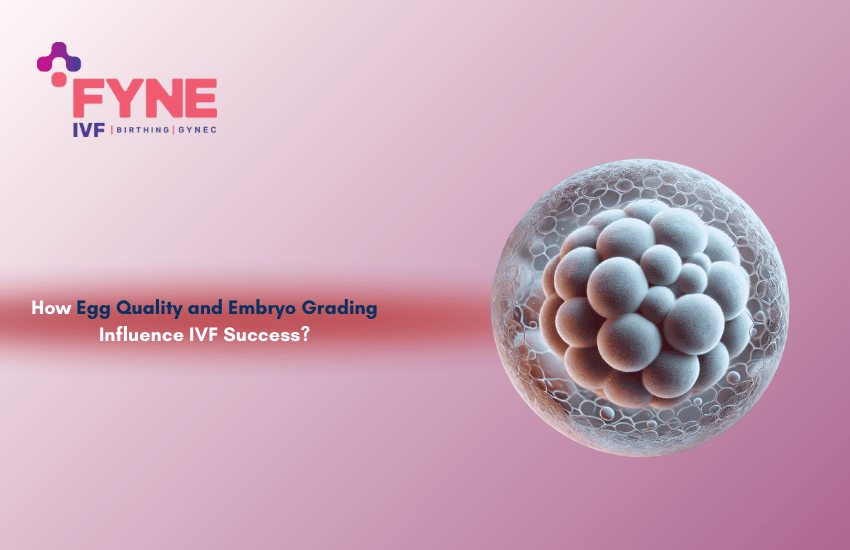
  • How Egg Quality and Embryo Grading Influence IVF Success?

    How Egg Quality and Embryo Grading Influence IVF Success?

    Did you know that egg quality declines significantly after the age of 35, but embryo quality isn’t solely dependent on egg health? While both egg and embryo quality play crucial roles in the success of IVF, understanding which one has a greater impact is essential for couples seeking fertility treatment. This blog aims to compare the importance of egg quality and embryo quality in IVF success and help you determine which factor is more crucial for successful implantation and pregnancy.

    1. What Is Egg Quality?

    Egg quality refers to how well an egg can mature, fertilise, and develop into a viable embryo. Healthy eggs have the potential to produce high-quality embryos that are more likely to result in successful pregnancies.

    Factors Affecting Egg Quality:

    • Age: As women age, especially after 35, the quantity and quality of their eggs decline, leading to a higher risk of chromosomal abnormalities.
    • Lifestyle: Diet, smoking, alcohol consumption, and stress can all impact egg health.
    • Genetics and Medical Conditions: Certain genetic conditions and underlying medical issues (like PCOS or endometriosis) may affect egg quality.

    Why It Matters:

    Poor-quality eggs may fail to fertilise, lead to chromosomal abnormalities, or result in poor-quality embryos, which decreases IVF success rates.

    2. What Is Embryo Quality?

    Embryo quality refers to the potential of a fertilised egg (embryo) to implant and develop into a healthy pregnancy. An embryo’s ability to divide and grow properly after fertilisation is key to achieving successful implantation.

    • Factors Affecting Embryo Quality:
      • Egg and Sperm Quality: Both the egg and sperm contribute to embryo health.
      • Lab Culture Conditions: The environment in the laboratory during embryo culture plays a significant role in embryo development.
      • Genetic Integrity: Genetic screening, such as Preimplantation Genetic Testing (PGT), ensures the embryos are free from chromosomal abnormalities.
    • How Embryos Are Graded: Embryos are graded based on their appearance and developmental stages. Common grading systems include:
    • Day 3 Embryos: Graded based on cell count and symmetry.
    • Day 5 Blastocysts: More advanced, with grading based on the blastocyst’s expansion and inner cell mass.

    Egg Quality vs. Embryo Quality: Which Matters More?

    While egg quality is the foundation of a successful IVF process, embryo quality is critical for successful implantation and achieving a healthy pregnancy. The two are interconnected, and their importance cannot be separated. Egg quality affects the initial fertilisation process, and poor-quality eggs can result in poor-quality embryos, leading to a higher risk of chromosomal abnormalities and implantation failure. 

    On the other hand, embryo quality plays a crucial role in the implantation phase. Even if the egg quality is good, the embryo’s ability to develop and attach to the uterine lining is vital for a successful pregnancy. Both egg and embryo quality are equally important in the IVF process, and optimal egg health can increase the likelihood of producing high-quality embryos. 

    Improving Egg and Embryo Quality for IVF

    To optimise your chances of a successful IVF outcome, improving both egg and embryo quality is essential. While many factors are beyond our control, there are several lifestyle changes, medical interventions, and advanced techniques that can help enhance both aspects, increasing the likelihood of a healthy pregnancy. 

    Final Thoughts

    Both egg and embryo quality are crucial factors for IVF success. While egg health plays an essential role in creating good-quality embryos, embryo quality is what ultimately determines whether implantation and pregnancy occur. Patients undergoing IVF should focus on improving overall reproductive health and discuss embryo grading with their fertility specialist to maximise their chances of success.

    Get the Best IVF Outcomes with Dr Deepali Chinchole’s Expertise

    Struggling with IVF success? Consult with Dr Deepali Chinchole, a leading fertility doctor in Pune at FYNE IVF, to optimise both egg and embryo quality for the best outcomes. With her expertise in assisted reproductive technologies, she will guide you through the process of enhancing your chances of successful implantation and pregnancy. Schedule your consultation today and take the next step toward fulfilling your parenthood dreams!


    FAQs

    What is considered a good-quality egg for IVF?

    A good-quality egg has a normal appearance, with a clear shape and healthy chromosomes, making it more likely to fertilise and create a viable embryo.

    Can a poor-quality egg still result in a successful pregnancy?

    While it’s more challenging, poor-quality eggs may still result in a healthy pregnancy, but the risk of miscarriage or chromosomal abnormalities increases.

    How can I naturally improve egg quality?

    Eating a balanced diet, reducing stress, exercising regularly, and taking supplements like CoQ10 and folic acid may help improve egg quality naturally.

    What are the grading criteria for high-quality embryos?

    Embryos are graded based on cell structure, symmetry, and their ability to reach the blastocyst stage. Day 5 blastocysts typically have higher implantation potential.

    Does embryo freezing affect its quality?

    While the freezing and thawing process can have minor impacts on embryo quality, embryo freezing is generally considered safe and allows for the preservation of high-quality embryos for future use.